All about the botany of the coffee tree
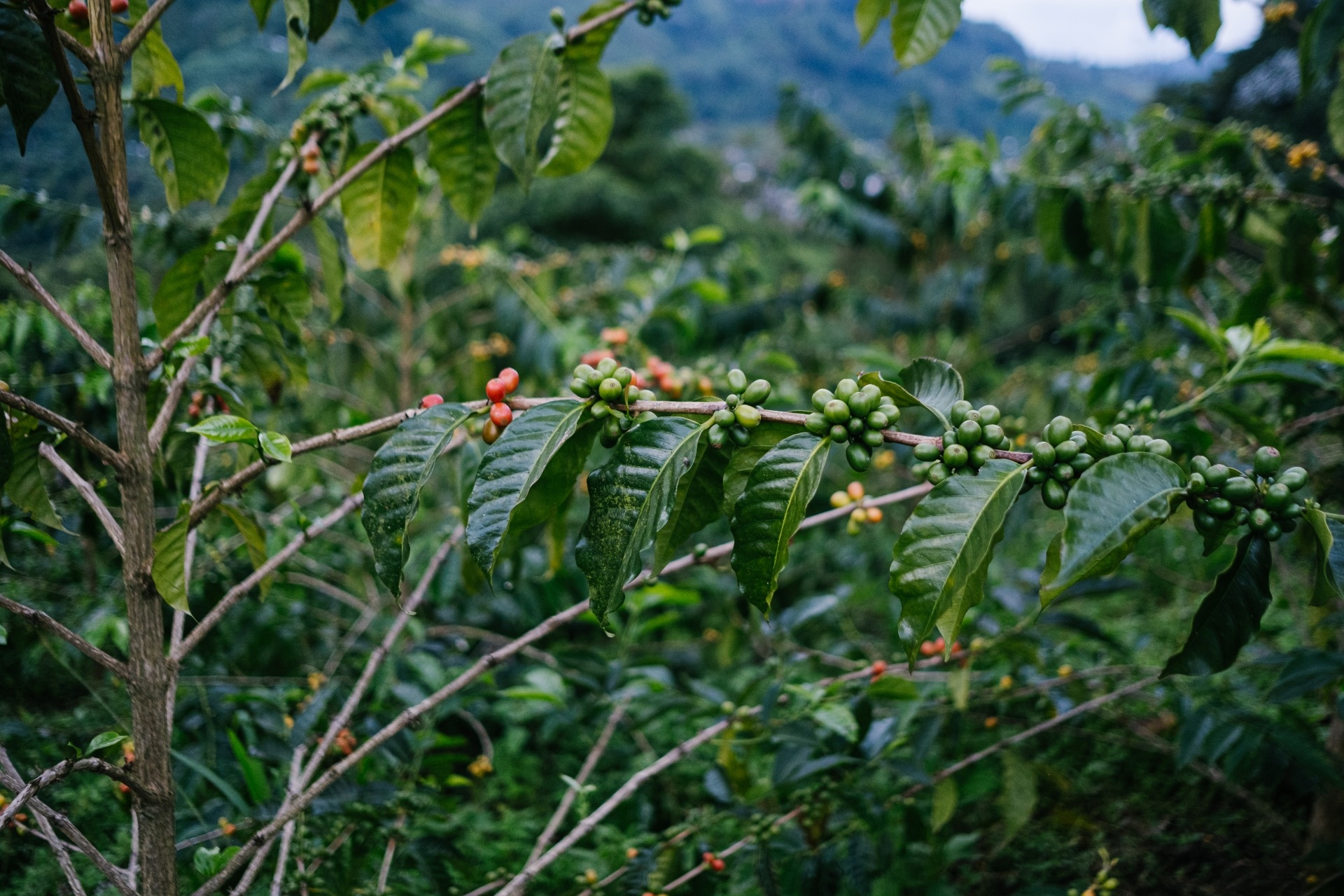
The coffee tree and its place in nature
Coffee belongs to the genus Coffea from the madder family. These are evergreen shrubs or small trees that naturally grow in the lower tier of tropical forests. They have full-bodied leaves, white fragrant flowers and a drupe fruit, usually with two seeds inside. It is these seeds that, after processing and drying, are called coffee beans.
The genus Coffea includes more than a hundred species, but two are mainly used in production — Arabica and canephora. Arabica is more sensitive: it tolerates heat, illness and changes in conditions worse. Kanephora is hardier, grows faster and gives a higher yield.
Within each type of coffee there are varieties — genetically different groups of plants with different characteristics. Arabica has dozens of such varieties: for example, among the most common are typica, Bourbon, caturra. They differ in the shape and size of the tree, yield, resistance to conditions and the potential of taste.
How the coffee tree works
The coffee tree forms one vertical trunk and horizontal branches. In nature, it can grow up to 8-10 m, but on farms it is usually cut off at the level of 2-3 m.
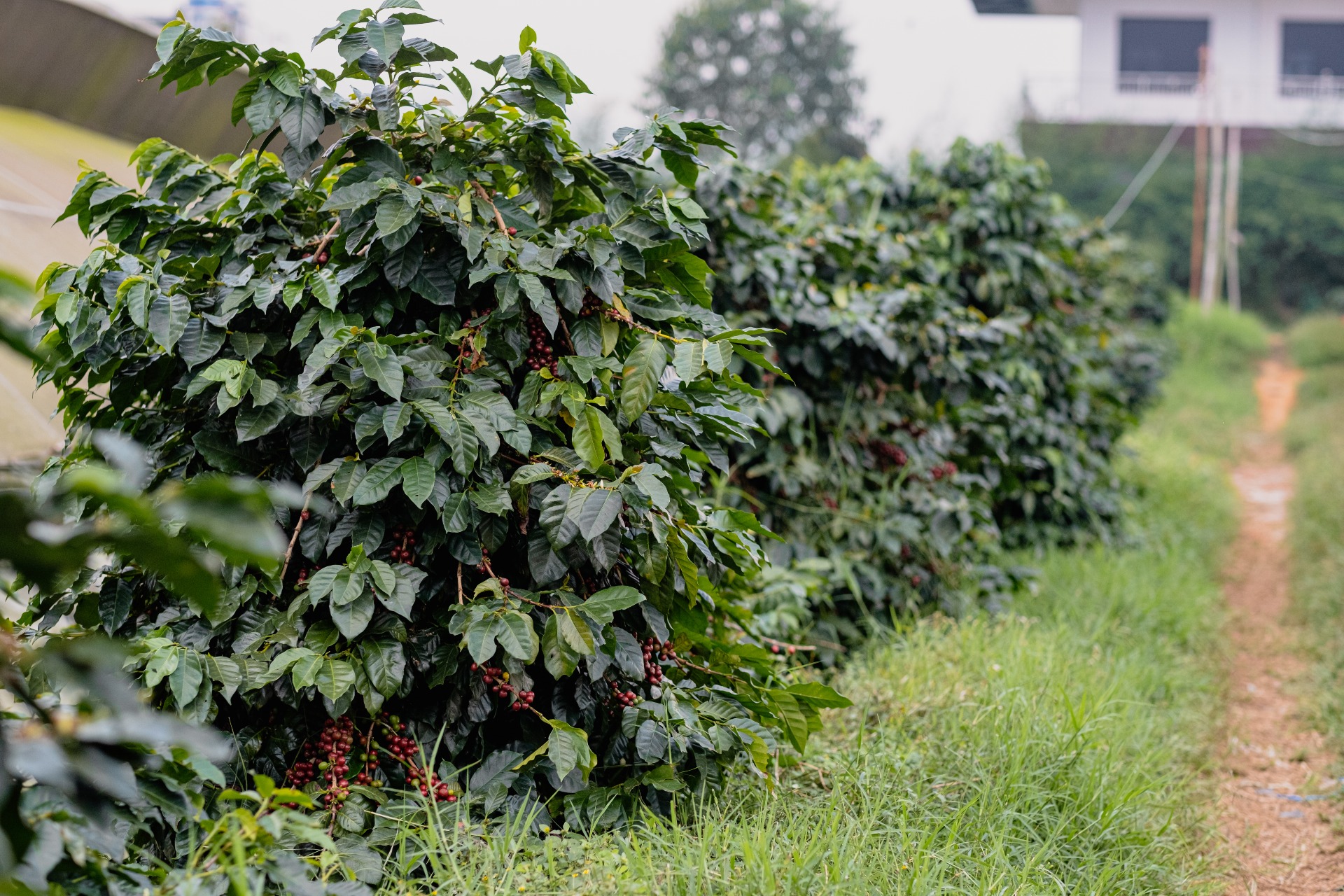 On farms, trees are pruned to control growth and simplify harvesting
Fruits appear only on horizontal branches, in nodes. Each node bears fruit once, after which this part of the branch no longer participates in the formation of the harvest. Therefore, the tree is constantly being updated — due to the growth of new shoots and pruning of old branches. Without regular pruning, the tree loses productivity.
Flowering and pollination
Coffee trees begin to bloom three to four years after planting. The flowers are white, small, with a pronounced aroma. Flowering is short—lived - lasts only a few days, after which the petals fall off and the fruit is formed.
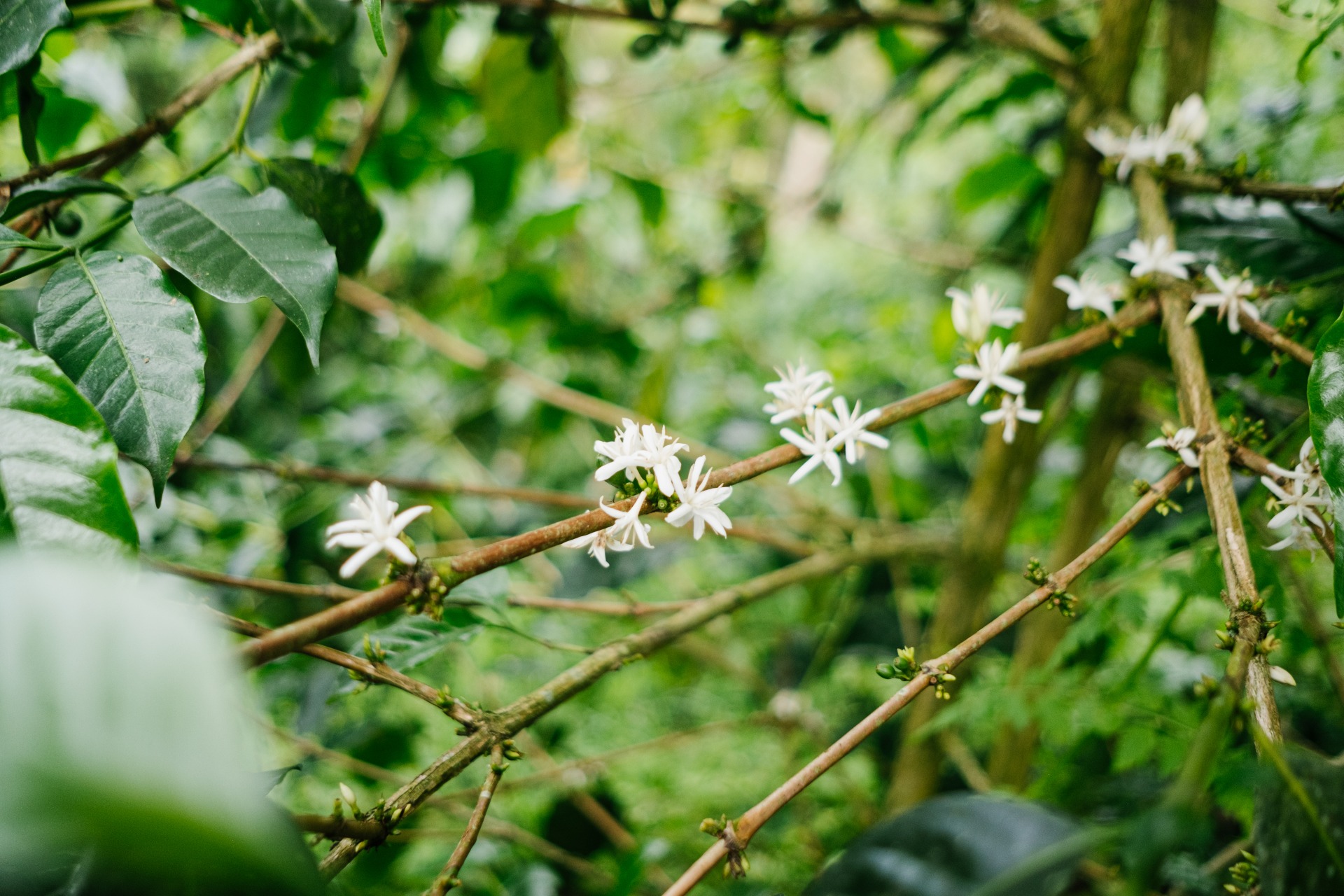 The aroma of the flowers of the coffee tree resembles jasmine
Flowering is associated with the weather. It is usually started by rains after a dry period. With uneven precipitation, flowering stretches, and the fruits on the tree develop at different times. There may be unripe and ripe fruits on one tree, which complicates the collection and reduces the homogeneity of the batch.
Arabica self-pollinates, and canephora requires cross-pollination, which affects the structure of plantings.
The fruit of the coffee tree
The industry uses the term "coffee berry", but in botany it is called a stone fruit. In structure, it is closer to a cherry: outside the peel and pulp, inside the seeds.
Usually two seeds develop, but sometimes only one is formed — a piberry. This is not a separate type of coffee, but a feature of fetal development.
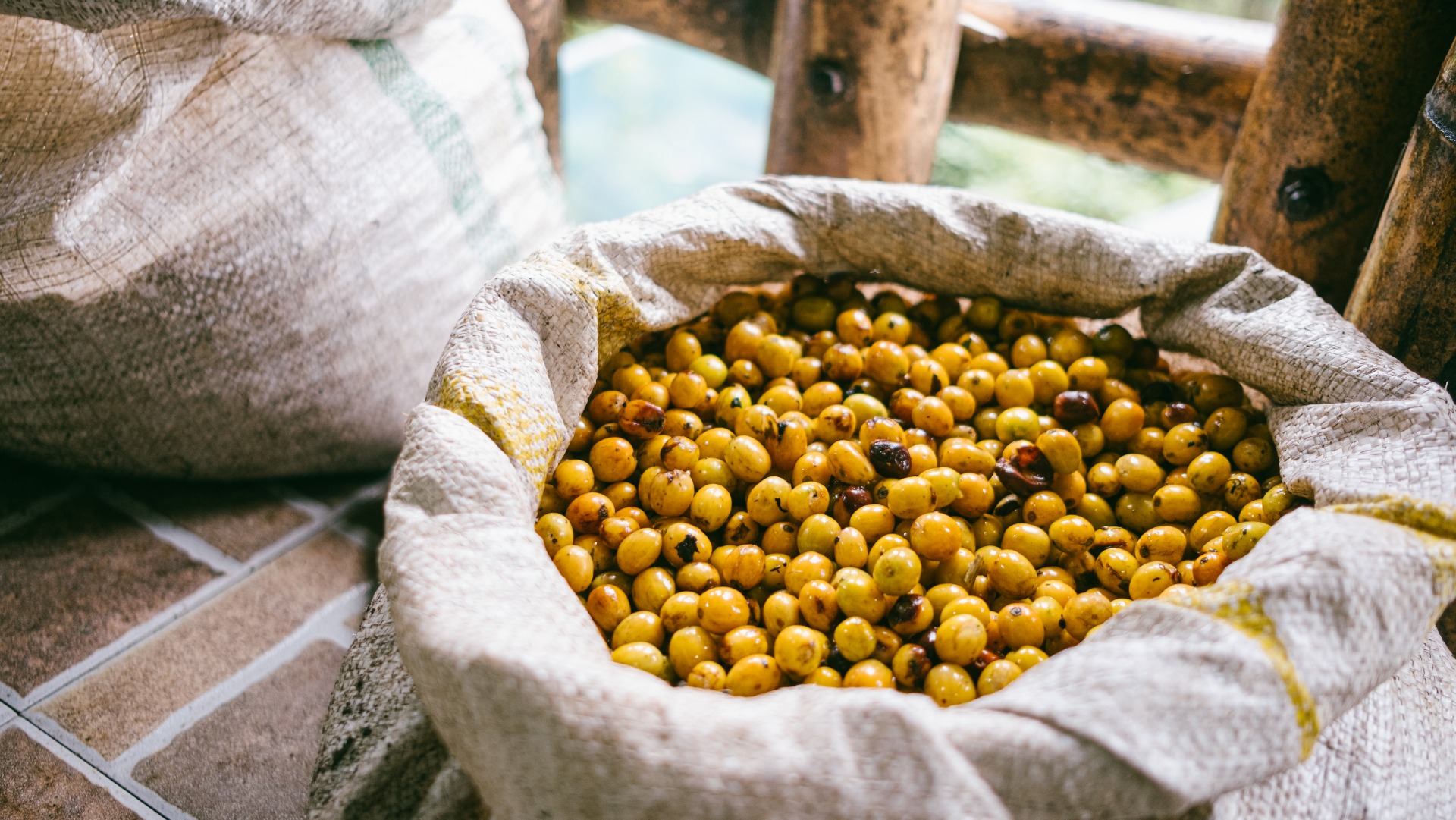 The coffee bean is the seed inside the fruit, so the outer layers of the coffee berry are removed before drying and storing
How is the taste formed at the stage of ripening berries
After flowering, the berries develop for several months. The cooler the climate and the higher the height of growth, the slower the ripening. Berries have time to accumulate more sugars and other organic compounds that form the taste. Therefore, alpine coffee often has a more complex flavor profile.
Coffee does not ripen after harvesting. There is practically no ethylene in the fruits — the hormone that is responsible for the ripening of many fruits. If the coffee berries are removed ahead of time, they will not get better. Therefore, the accuracy of the collection directly affects the quality of the batch.
Why Roots and soil matter
The root system of the coffee tree works in the upper layers of the soil. It is from there that the plant receives water and nutrients.
If the soil is poor or does not retain moisture well, the tree does not develop well. If, on the contrary, it is too full-bodied and waterlogged, the roots may rot. In both cases, this is reflected in growth and yield.
How the climate affects the coffee tree
The coffee tree depends on the conditions in which it grows. Temperature, precipitation, altitude, and seasonality affect flowering, berry ripening, and disease resistance.
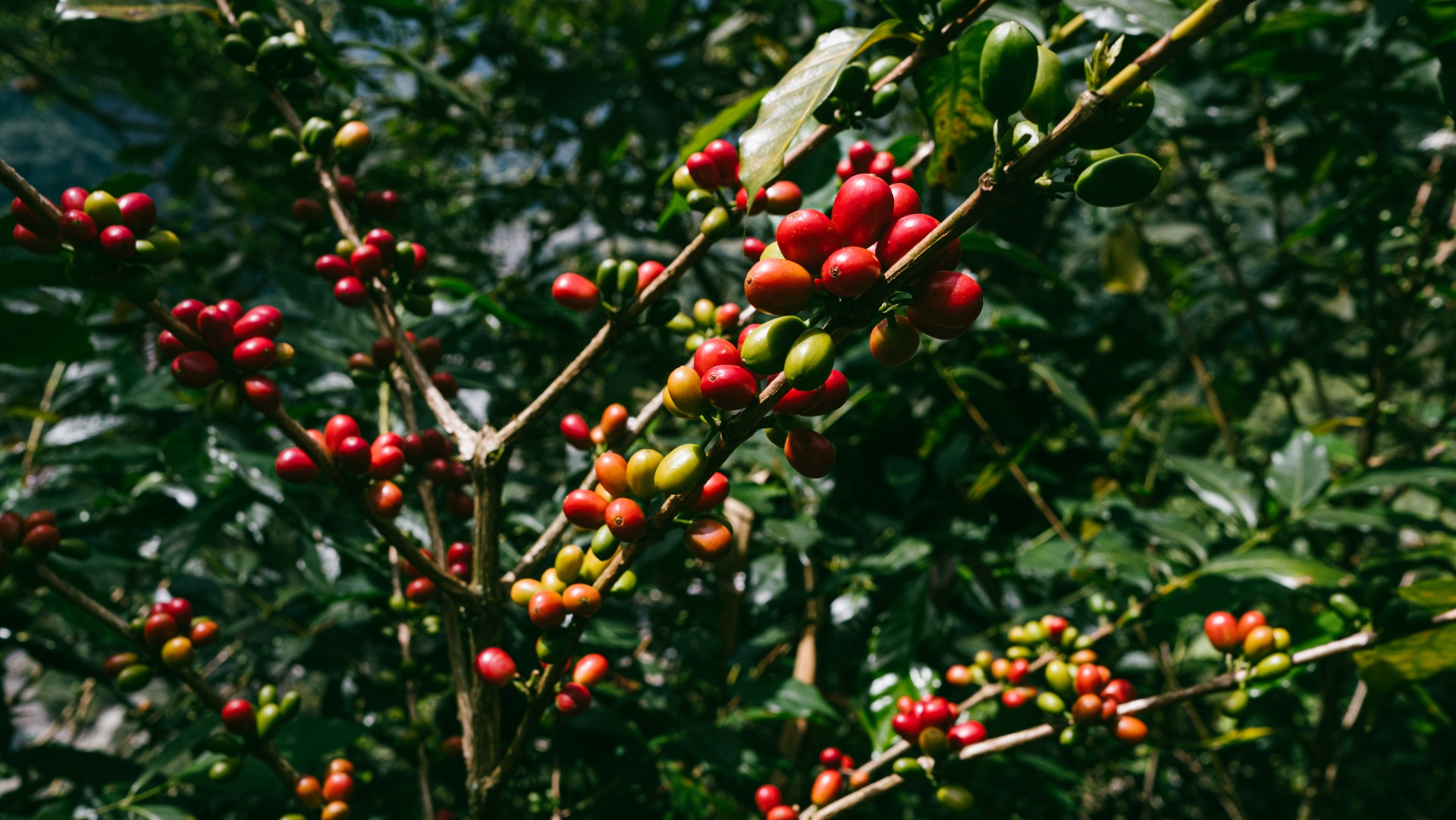 Arabica is sensitive to growing conditions, so climate change has a strong impact on its production
For Arabica, the optimal temperature is about 15-24 ° C. Extreme heat slows down photosynthesis, frosts damage the plant. Therefore, coffee is grown in a limited area between the tropics — in the so-called coffee belt.
The amount of precipitation is also important. Excess moisture increases the risk of disease and leaches nutrients, and lack of precipitation reduces yields. In such conditions, problems with pests and diseases, including coffee rust, are more common.
The life cycle of the coffee tree
Usually the first coffee crop appears 3-4 years after planting, and after a few more years the plant reaches maximum productivity. After that, the yield gradually decreases. This is due to the natural aging of the plant: the fruiting branches work out their cycle, and the proportion of active young wood decreases.
In this case, the tree can live for decades. On farms, plants are used for 20-30 years and longer, regularly rejuvenating them by pruning or even completely cutting the crown. The root system is preserved at the same time.
Reproduction and genetics
Genetics determines disease resistance, climate adaptation, and taste potential. In specialty coffee, they work with Arabica, and it is within it that a variety of varieties are concentrated. Some give a more complex taste, others tolerate heat more easily or are more resistant to diseases.
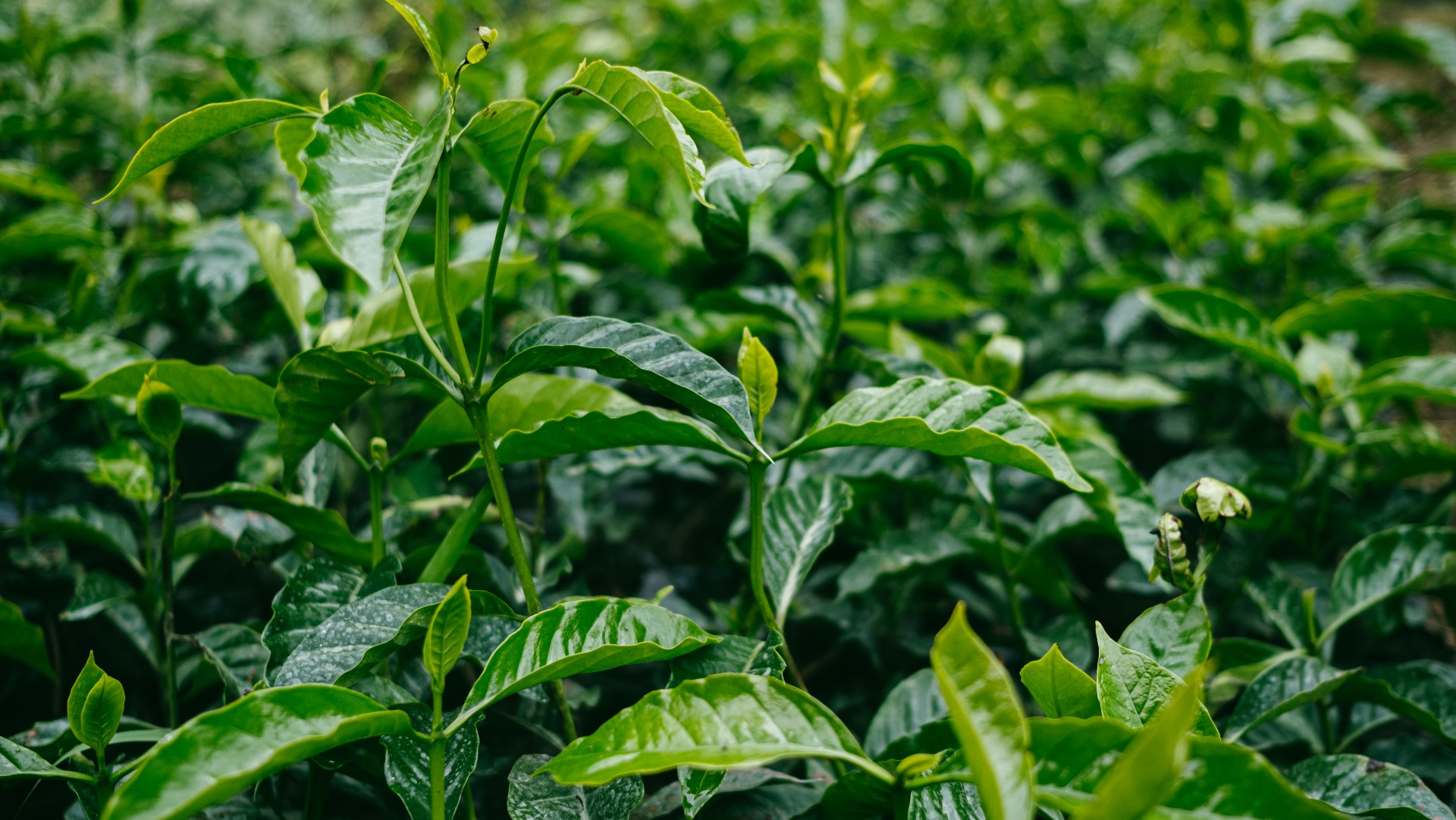 Many modern varieties are the result of selection or hybridization: they are created to combine stability with the quality of the cup.
Coffee trees are propagated by seeds and vegetative methods. Seed propagation can give variability due to cross-pollination. Vegetative methods allow you to preserve the properties of parents. Laboratory methods, such as somatic embryogenesis, are used to obtain a homogeneous planting material.
Why Botany is Important when Working with Green Coffee
The botany of coffee affects the quality even at the stage of plant growth. The variety determines the potential of taste, and the growing conditions determine the bean density and ripening rate. All these factors shape the properties of green coffee before processing. Batches with different fruit ripeness behave unstable, and plants grown in unsuitable conditions give less predictable results in roasting.
When working with green coffee, the variety, age of the trees and growing conditions are taken into account. This allows you to better assess the potential of the party and work optimally with it.