В чем разница кофе из разных стран: терруар, генетика и обработка
Терруар: совокупность природных условий
Терруар в кофе — это среда, в которой растет кофейное дерево. Обычно под терруаром понимают климат, высоту над уровнем моря, почву.
Высота влияет на скорость созревания ягод прежде всего из-за температуры. С увеличением высоты средняя температура воздуха понижается, а суточные колебания становятся более выраженными. В таких условиях кофейное дерево развивается медленнее, и созревание ягод растягивается по времени. Зерно формируется более плотное, в нем накапливается больше сахаров и кислот. В результате кофе, выращенный на больших высотах, часто отличается высокой кислотностью и сложной ароматикой.
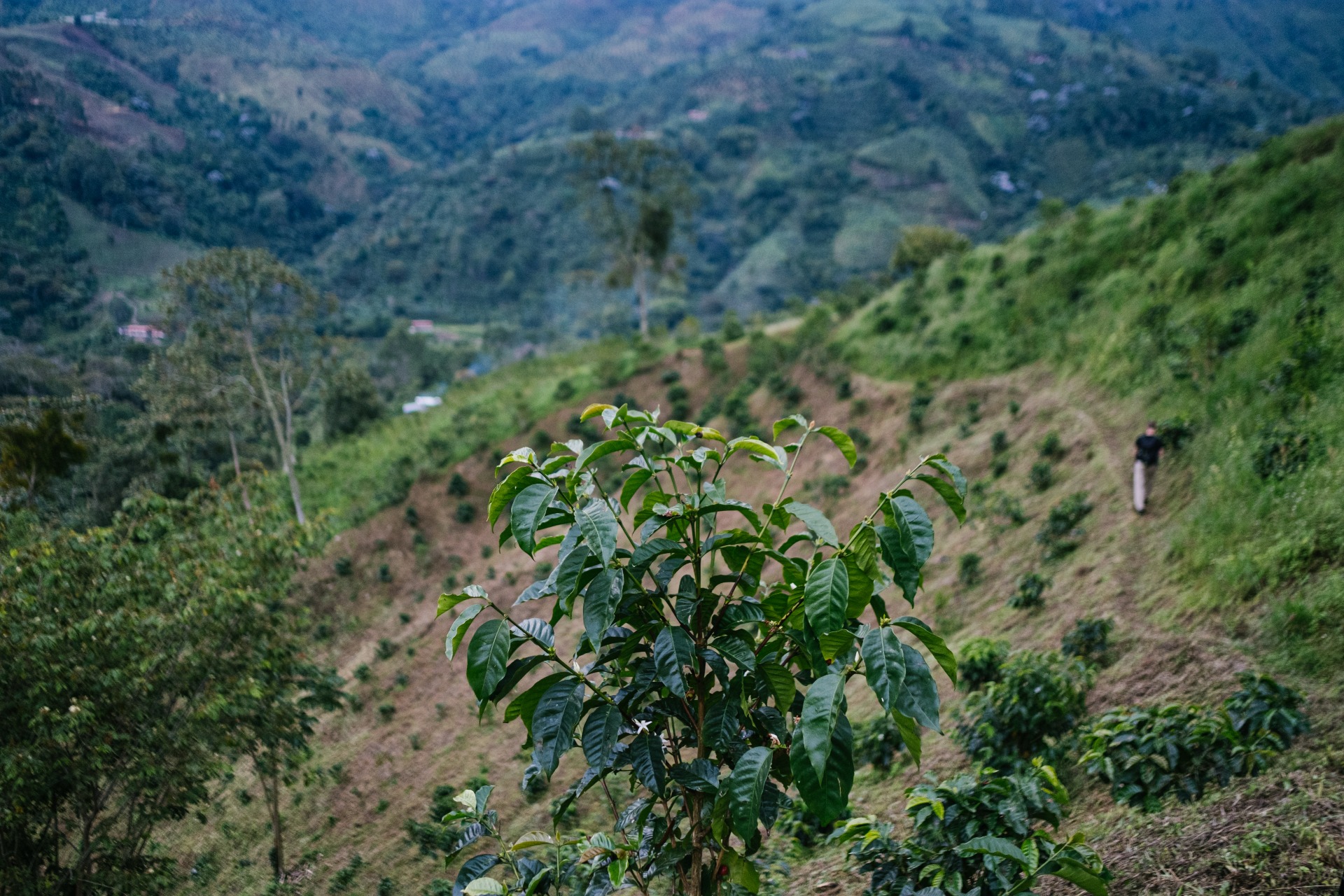 Сама по себе высота не является гарантией качества кофе
Климат задает температуру и режим осадков. Стабильные сезоны дождей и засухи упрощают контроль за выращиванием и сушкой. Нестабильный климат увеличивает риски дефектов и делает результат менее предсказуемым. Например, в Эфиопии четкое разделение сезонов позволяет планировать натуральную обработку с минимальными рисками. А в Колумбии климатические условия позволяют собирать урожай несколько раз в год. Кроме того, в разных регионах страны сезоны сбора смещены, а в целом по стране свежий кофе появляется практически круглый год.
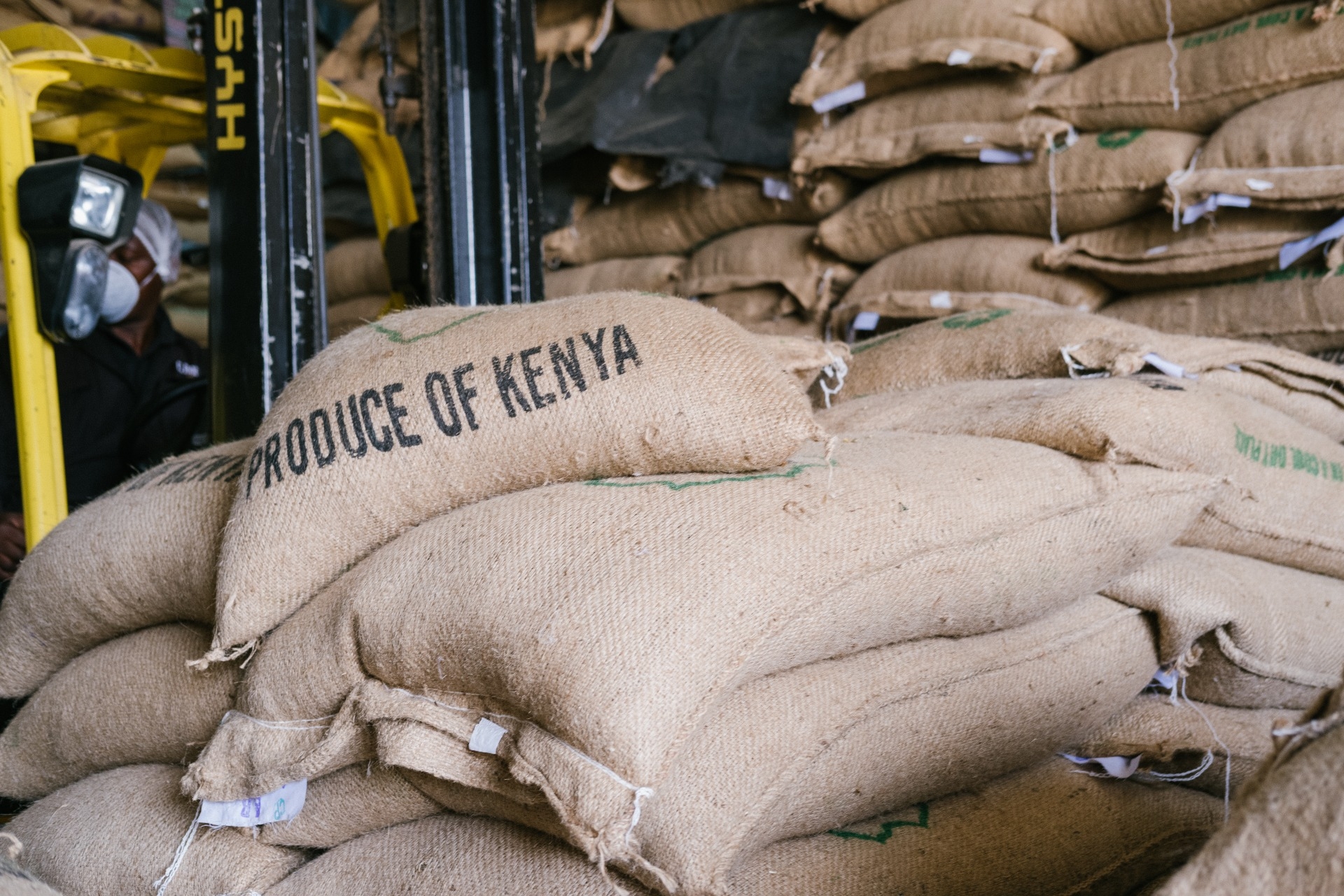
Почвы влияют на питание растения и его развитие. Разные типы почв по-разному удерживают влагу, минеральные элементы и тепло. Классический пример — Кения, где вулканические почвы с высоким содержанием минералов в сочетании с высотой и прохладным климатом создают условия для формирования яркой структурной кислотности.
Генетика: какие разновидности выращивают в странах
Генетика кофе — это разновидности и гибриды, которые выращивают в конкретной стране или регионе. Их выбор редко случаен. Он формируется исторически, под влиянием колониального наследия, доступности посадочного материала, устойчивости к болезням и требований локального рынка.
Большинство стран работают с ограниченным набором разновидностей. Где-то преобладают более традиционные и менее урожайные, где-то — современные гибриды, ориентированные на устойчивость и стабильность производства.
Генетика задает диапазон возможных характеристик: кислотность, сладость, тело, вкусовой потенциал. Однако реализуется этот потенциал только в сочетании с терруаром и технологиями ведения сельского хозяйства и обработки.
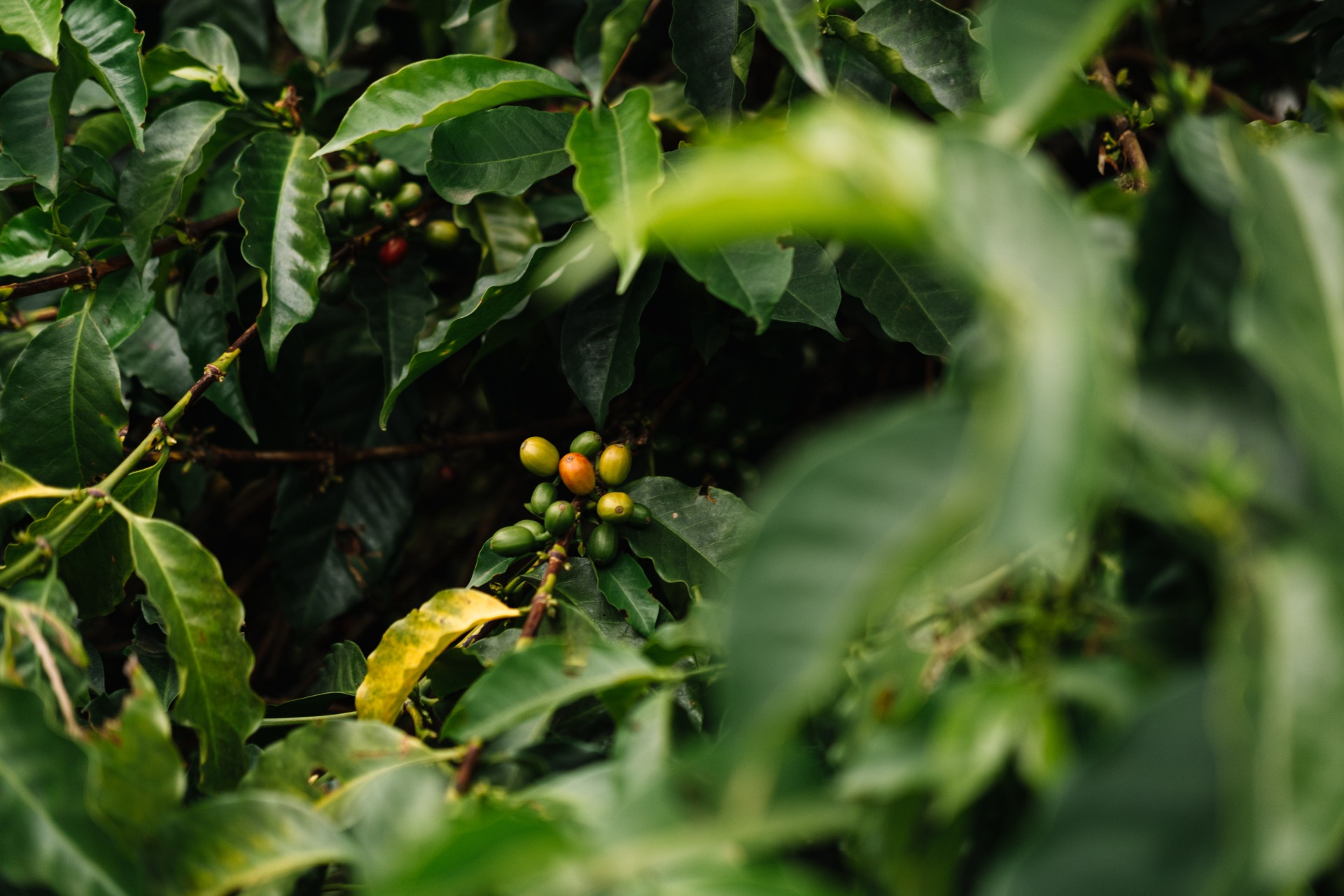 Например, для эфиопских разновидностей часто характерны цветочные ноты в аромате
Обработка: технология, адаптированная к условиям
Способ обработки кофе считают основным источником вкусовых различий, но на практике он часто является продолжением среды, а не самостоятельным фактором.
Традиционно выбор обработки тесно связан с климатом и инфраструктурой. В регионах с ограниченным доступом к воде исторически развивались сухие методы. В более стабильных условиях — мытые. Это вопрос не только вкуса, но и возможности контролировать процесс.
Даже одинаковые методы обработки в разных странах дают разные результаты. Обработка подчеркивает или сглаживает характеристики, заложенные в зерне на этапе выращивания, но не формирует их с нуля.
Происхождение как ориентир: общие характеристики стран
Ниже приведены обобщенные характеристики стран происхождения. Эти описания отражают наиболее распространенные условия и практики, но не заменяют анализ конкретных регионов и лотов.
Бразилия
Бразилия — крупнейший производитель кофе в мире. Для страны характерны низкие и средние высоты, крупные хозяйства и высокий уровень механизации. Широко распространены натуральные и полумытые способы обработки. Эти факторы формируют устойчивое представление о бразильском кофе как о сладком и округлом, хотя внутри страны существует большое разнообразие стилей и подходов, выходящее за рамки массового сегмента.
 Во многих регионах Бразилии кофе выращивают на открытых плантациях, без тени от других деревьев
Колумбия
Колумбия отличается разнообразием микроклиматов и относительно стабильными условиями выращивания. Кофе здесь часто растет на средних и больших высотах, а преобладает мытая обработка. Генетически представлены как традиционные разновидности, так и современные гибриды. В результате страна ассоциируется с разнообразием профилей, а также с возможностью гибко работать с происхождением за счет распределенной сезонности.
Эфиопия
Эфиопия отличается высоким генетическим разнообразием кофе и большим количеством местных разновидностей. Выращивают кофе обычно на небольших участках, в том числе в тени других деревьев. В стране распространены как натуральная, так и мытая обработка, что связано с климатом и доступностью инфраструктуры. Эфиопия представляет особый интерес с точки зрения вкусоароматического потенциала, при этом профили могут значительно различаться в зависимости от региона и обработки.
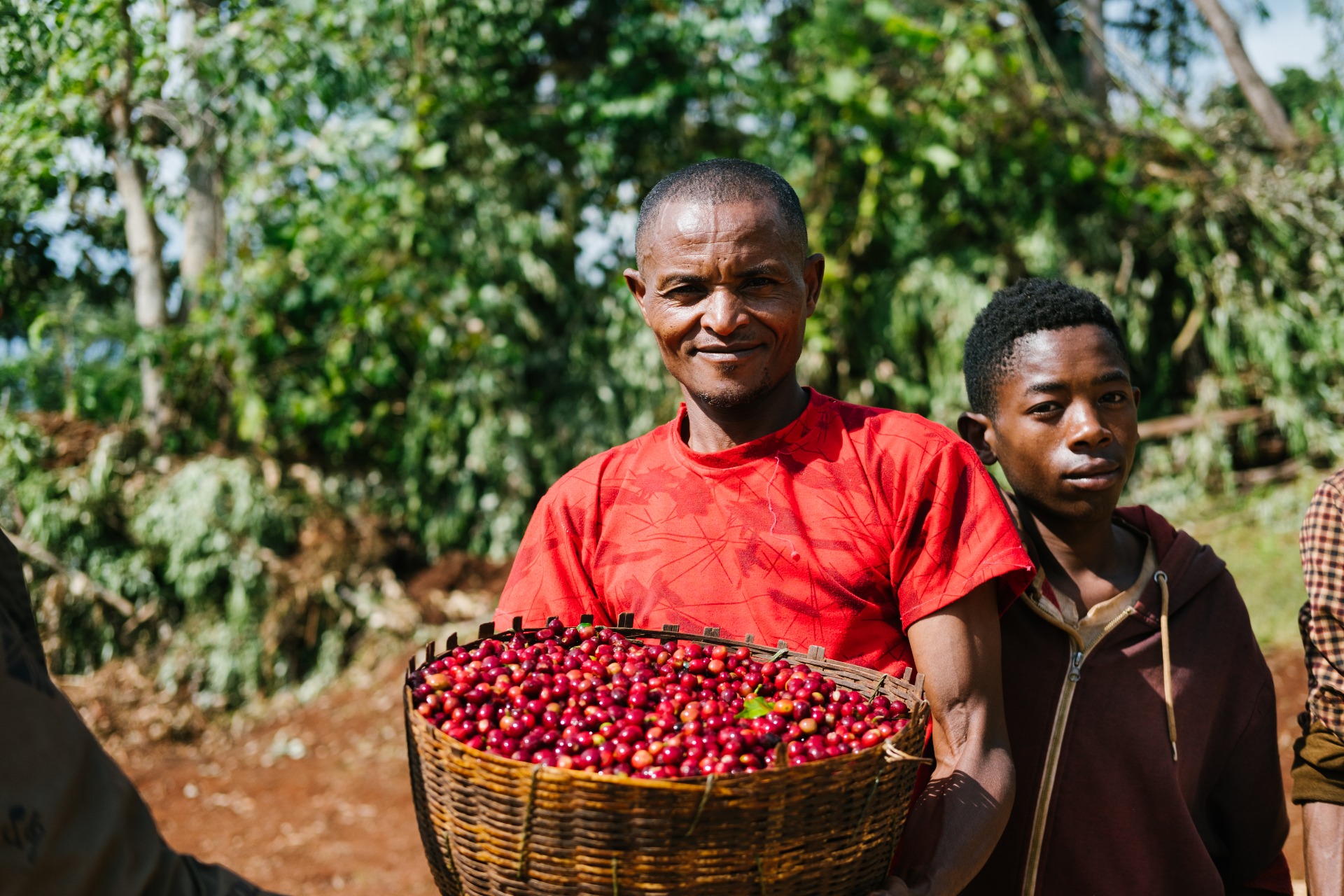 Местные разновидности в Эфиопии не имеют строгой классификации и отличаются от региона к региону
Кения
Для Кении характерны большие высоты, прохладный климат и вулканические почвы. В стране исторически сформировалась централизованная система обработки, и доминирует мытая. Эти условия способствуют формированию плотного зерна и яркой структурной кислотности, что делает происхождение узнаваемым.
Коста-Рика
Коста-Рика известна строгим регулированием производства и ориентацией на качество. Здесь выращивают кофе на средних и больших высотах, а мытая обработка долгое время была стандартом. В последние годы активно развиваются экспериментальные методы обработки, что расширяет диапазон профилей коста-риканского кофе.
Гватемала
Гватемала сочетает вулканические почвы, выраженную сезонность и разнообразие регионов. Кофе часто выращивается на больших высотах, а преобладает мытая обработка. Результат таких условий — структурированные и чистые профили, при этом региональные различия играют ключевую роль.
Боливия
Боливия — относительно небольшой производитель, где кофе выращивается преимущественно в высокогорных районах. Производство часто сосредоточено на мелких фермах, а инфраструктура переработки развита неравномерно. Это приводит к высокой вариативности качества и делает страну интересной с точки зрения уникальных лотов.
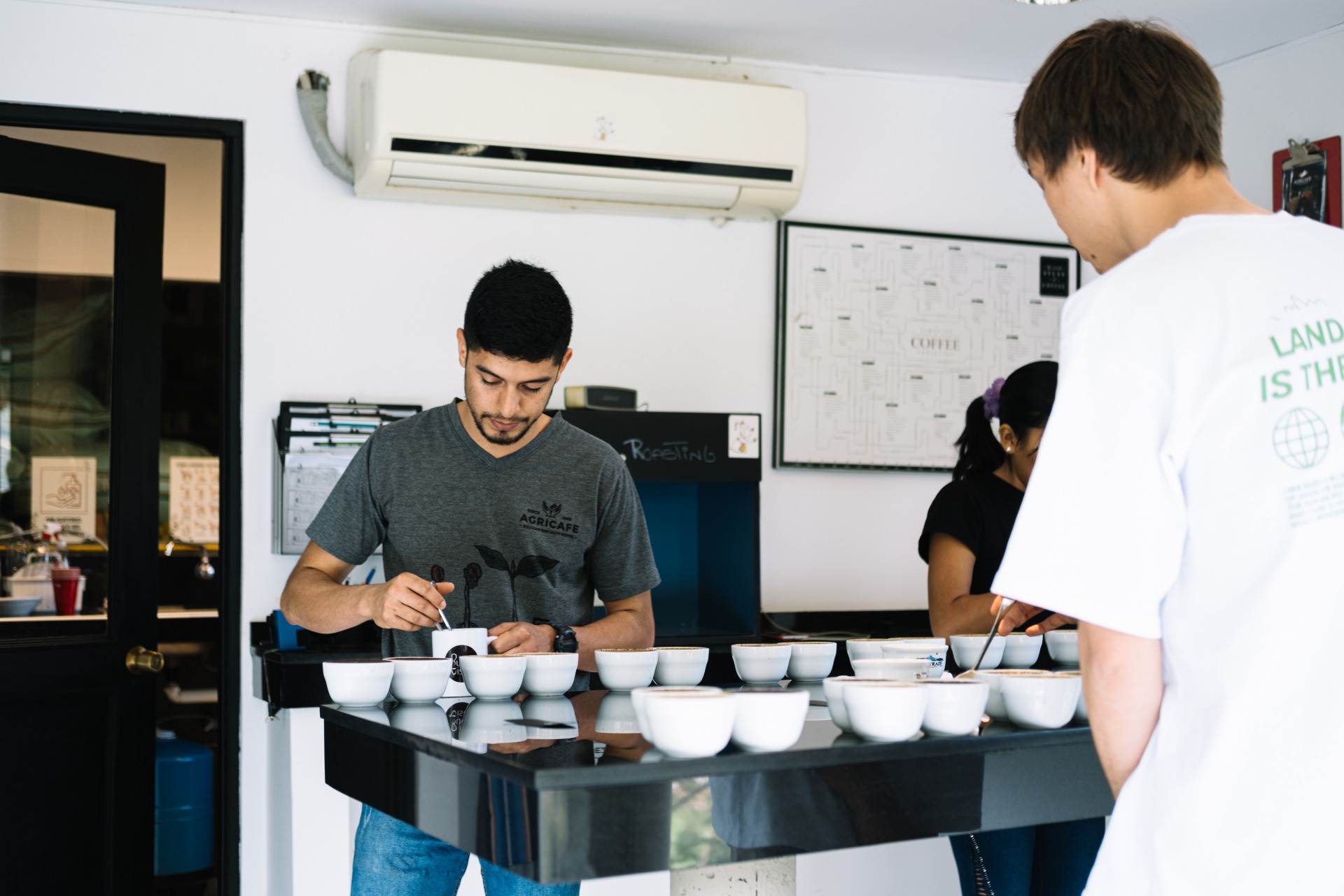 Сочетание высот, небольших объемов и локального подхода к производству делает боливийский кофе интересным на рынке микролотов
Перу
Перу отличается широким географическим диапазоном зон выращивания и значительной долей мелких фермерских хозяйств. Кофе часто растет на больших высотах, а наиболее распространена мытая обработка. Страна известна чистыми и стабильными профилями, а разнообразие регионов позволяет находить как базовые, так и уникальные лоты.
Индонезия
Индонезия характеризуется влажным климатом и большим количеством микрорегионов. Здесь широко используются специфические методы обработки, адаптированные к условиям высокой влажности, например вет-халл. В результате кофе из Индонезии часто отличается плотной текстурой и выраженным характером, при этом особенно заметны региональные различия.
Руанда
Руанда характеризуется холмистым рельефом, относительно большими высотами и умеренным климатом. В стране активно развивалась инфраструктура мытой обработки, что позволило повысить средний уровень качества. Кофе из Руанды часто воспринимается как чистый и аккуратный по профилю, с выраженной кислотностью и хорошей структурой.
Уганда
Уганда является одной из немногих стран, где значительную роль играет робуста, но также производят и арабику. Условия выращивания и обработки сильно различаются в зависимости от региона. Существенная роль робусты и одновременное развитие сегмента арабики приводят к большому разбросу по качеству и стилю внутри страны. При этом арабика из отдельных регионов может демонстрировать чистые и сбалансированные профили при аккуратной обработке, что делает страну интересной при внимательном отборе лотов.
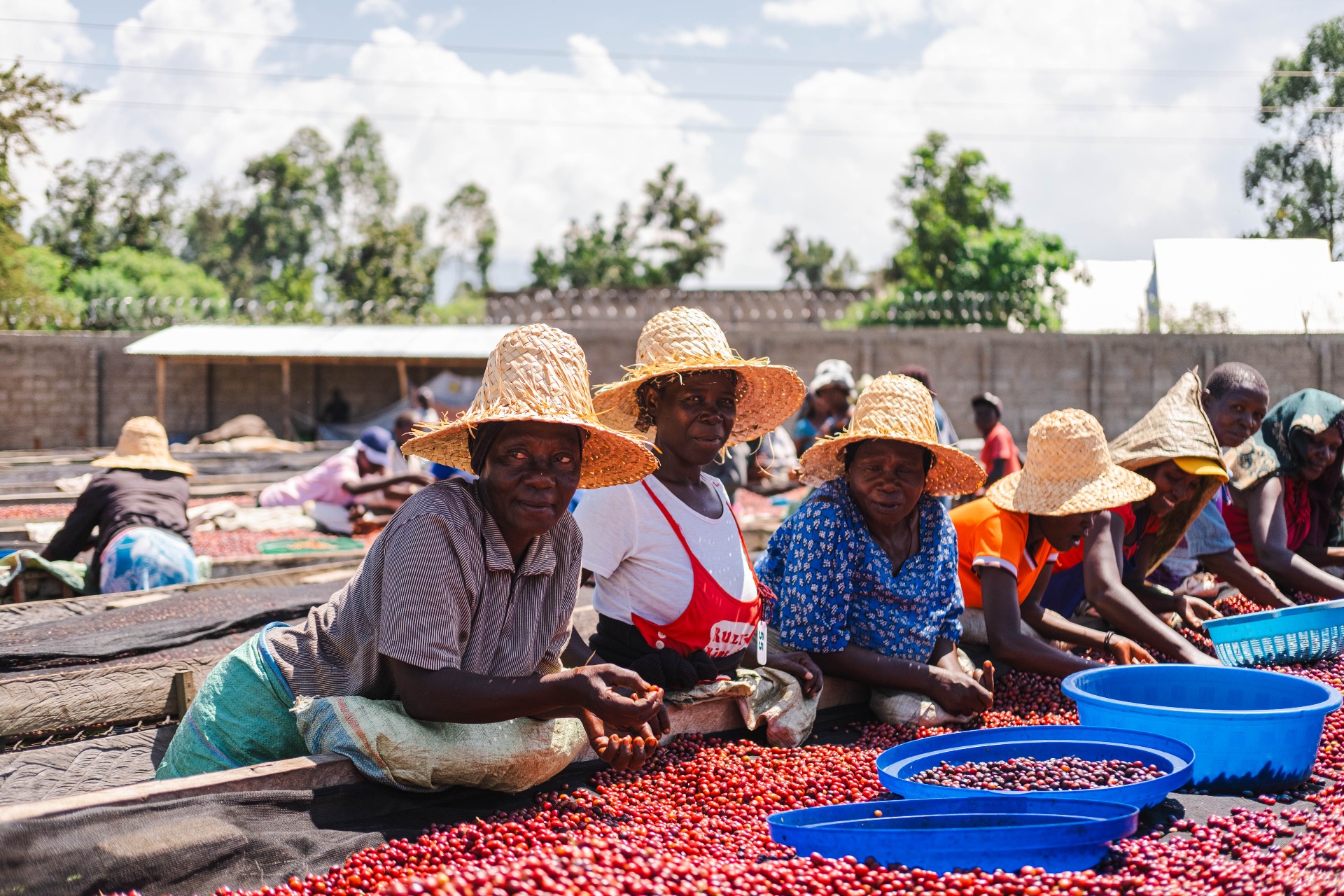 Кофейная индустрия в Уганде сочетает большие объемы производства, оптимальные цены и высокое качество зерна
Бурунди
Бурунди — страна с высокой плотностью мелких фермерских хозяйств и ограниченными ресурсами. Кофе здесь часто выращивается на больших высотах, а обработка преимущественно мытая и централизованная. Это создает условия для чистых и структурированных профилей, при этом вариативность между лотами остается высокой.
Все приведенные характеристики описывают наиболее часто встречающиеся тенденции, а не обязательные свойства кофе из конкретной страны. Они помогают сформировать ожидания на этапе первичного выбора, но не заменяют сенсорную оценку и работу с конкретным лотом.
Главное
Происхождение, origin или «ориджин» — это не характеристика вкуса, а контекст. Разница между кофе из разных стран формируется сочетанием среды, генетики и обработки. Понимание этого помогает быстрее ориентироваться в ассортименте зеленого кофе и осознанно читать описания происхождения.