Способы обработки зеленого кофе
Ферментация как основа обработки
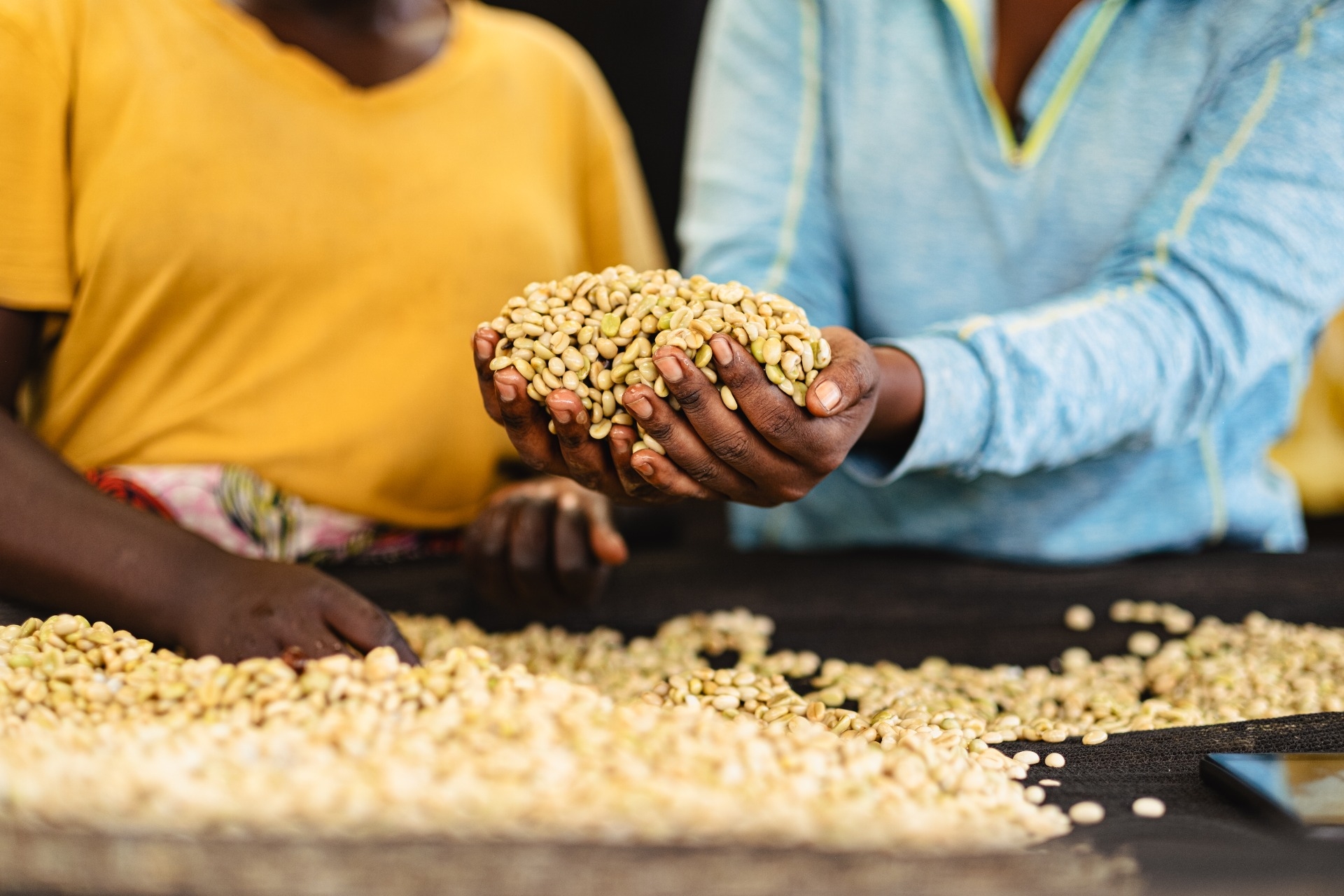
В основе любой обработки кофе лежит ферментация. Это естественный процесс, при котором микроорганизмы, в первую очередь дрожжи и бактерии, перерабатывают сахара и другие органические соединения, содержащиеся в кофейной ягоде. При этом образуются побочные продукты, часть которых может сохраняться в зерне и влиять на формирование вкусового профиля.
Активная ферментация происходит на ранних этапах обработки, пока зерно сохраняет высокую влажность. По мере сушки условия для микроорганизмов постепенно меняются, и их активность снижается. Обычно это происходит при приближении влажности зерна к уровню около 20%, после чего ферментационные процессы заметно замедляются.
Дальнейшая сушка направлена уже на стабилизацию зерна. Влажность снижают до стандартных значений, при которых метаболические процессы практически останавливаются, и зеленый кофе становится пригодным для хранения и транспортировки.
Отличие способов обработки
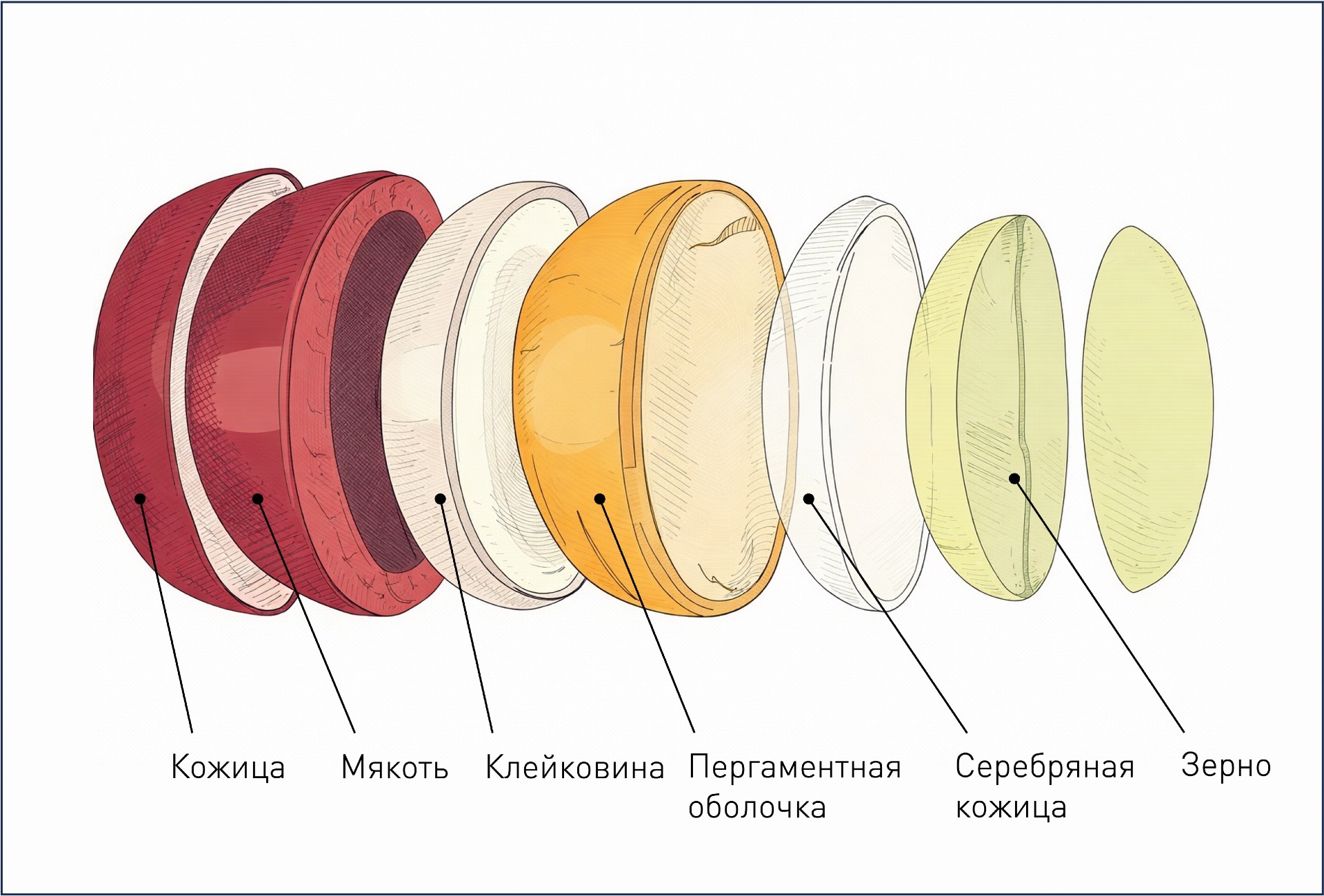
Чтобы понимать различия между способами обработки, важно представить строение кофейной ягоды и то, какие ее слои сохраняются на этапе сушки. В кофейной ягоде выделяют шесть основных слоев:
Кожица (экзокарпий) — внешний защитный слой. У спелых ягод она может быть красной, желтой или оранжевой в зависимости от разновидности.
Мякоть (мезокарпий, или пульпа) — сочная сладкая ткань, богатая сахарами и влагой.
Клейковина (мюселяж) — гелеобразный липкий слой из пектинов и сахаров.
Пергаментная оболочка (пачмент) — твердый защитный слой, сохраняющий форму зерна и регулирующий потерю влаги.
Серебряная кожица (сильверскин) — тонкая пленка, прилегающая к поверхности зерна.
Зерно — семя кофейного дерева, которое после обжарки используют для приготовления напитка.
 Строение кофейной ягоды
В процессе обработки изменениям подвергают внешние слои ягоды — кожицу, мякоть, клейковину и пергаментную оболочку. Различия между способами обработки определяются тем, на каком этапе эти слои удаляются и в каком виде зерно поступает на сушку. С этой точки зрения можно выделить четыре базовых подхода к обработке кофе:
Сушка в ягоде — зерно сушится внутри целой кофейной ягоды, со всеми слоями. Этот способ называют натуральным или сухим методом.
Сушка в клейковине — кожицу и часть мякоти удаляют, а зерно сушат с клейковиной. Такой подход имеет несколько вариаций и может называться хани, палп-нэчурал, полумытым или полусухим методом.
Сушка в пачменте — кожица, мякоть и клейковина удаляются до сушки, и зерно сушится в пергаментной оболочке. Этот способ называют мытым методом.
Сушка без пачмента — кожица, мякоть и клейковина удаляются, а пергаментную оболочку снимают на промежуточном этапе при повышенной влажности. Дальнейшая сушка зерна происходит без защитного слоя. Такой способ обработки называют вет-халл.
Исторически выбор метода обработки определялся климатом и доступной инфраструктурой. В последние годы производители все чаще отходят от традиционных подходов и экспериментируют с обработкой, изменяя параметры ферментации и сушки.
Натуральная обработка
Натуральная, или сухая, обработка предполагает сушку зерна внутри целой кофейной ягоды, без удаления внешних слоев. Это один из самых ранних и технологически простых способов обработки кофе.
После сбора спелые ягоды очищают от примесей, обычно сортируют по плотности в воде и раскладывают тонким слоем для сушки на патио, африканских кроватях или других сушильных поверхностях. В процессе обработки мякоть кофе буреет, а сахара карамелизуются или ферментируются естественными микроорганизмами. После достижения целевой влажности высушенные ягоды отправляют на халлинг, где механически удаляют все внешние слои.
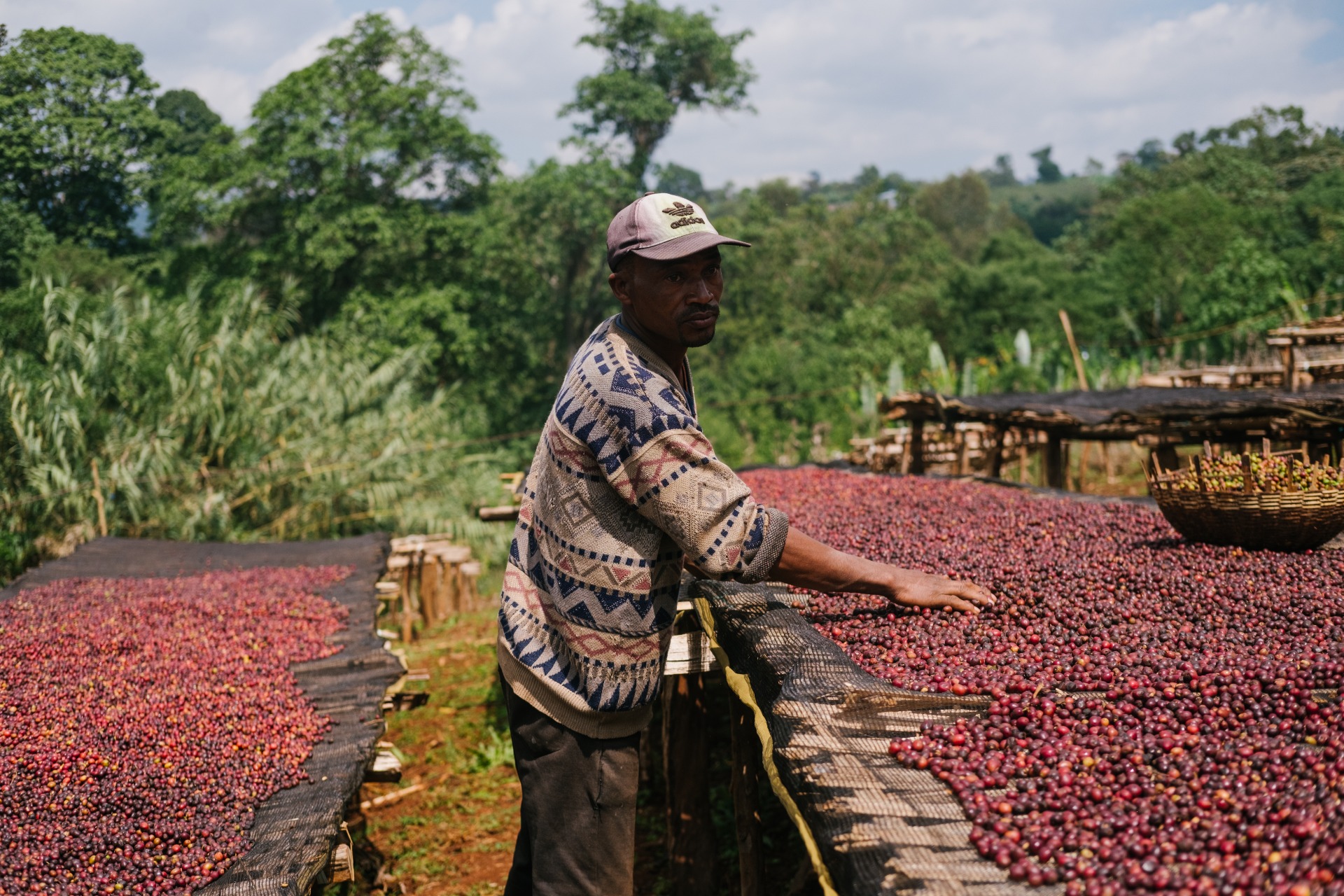 Другие названия способа: сухой, немытый, natural, dry, fruit dried, sun dried, unwashed
Натуральную обработку традиционно применяют в странах, где сухой климат и нет доступа к большому количеству воды. Классические примеры — Йемен, Эфиопия и Бразилия.
Исторически натуральная обработка ассоциировалась с массовым и недорогим кофе, потому что главное ее преимущество — это низкая себестоимость. Для этого метода не нужны емкости для ферментации, вода и электроэнергия — достаточно солнечного света. Сейчас натуральный способ обработки снова широко используют. Индустрия спешелти кофе фокусируется на вкусе, а этот способ может давать очень яркий вкус и высокие оценки в каппинге, если проведен качественно.
Способ имеет свои риски — например, очень зависит от условий окружающей среды. Если начинаются дожди и повышается влажность, сушка замедляется, ягоды начинают плесневеть, а во вкусе кофе появляются дефекты. В таких условиях натуральный метод требует установки дорогих механических сушилок.
Кофе натуральной обработки обычно обладает плотным телом и отличается высокой сладостью. Это объясняется тем, что зерно долго контактирует с мякотью и впитывает продукты ее брожения.
Мытая обработка
Мытая, или влажная, обработка предполагает удаление кожицы и мякоти до этапа сушки и использование ферментации для разрушения клейковины. Это технологически сложный, но популярный способ обработки кофе. В нем используют воду, чтобы быстрее отделить мякоть и контролировать брожение кофейных ягод.
Собранные ягоды сортируют, чаще всего в воде, затем проводят депульпацию — механически отделяют внешнюю кожицу и часть мякоти. Для этого ягоды пропускают через специальный пресс, или депульпатор, который раздавливает и счищает мягкую оболочку. В итоге из машины выходят зерна, покрытые остатками скользкой мякоти и плотной клейковиной. После этого зерно ферментируют — в воде или без нее — до разрушения клейковины, обычно в течение 12–36 часов. Далее зерно промывают и сушат в пергаментной оболочке.
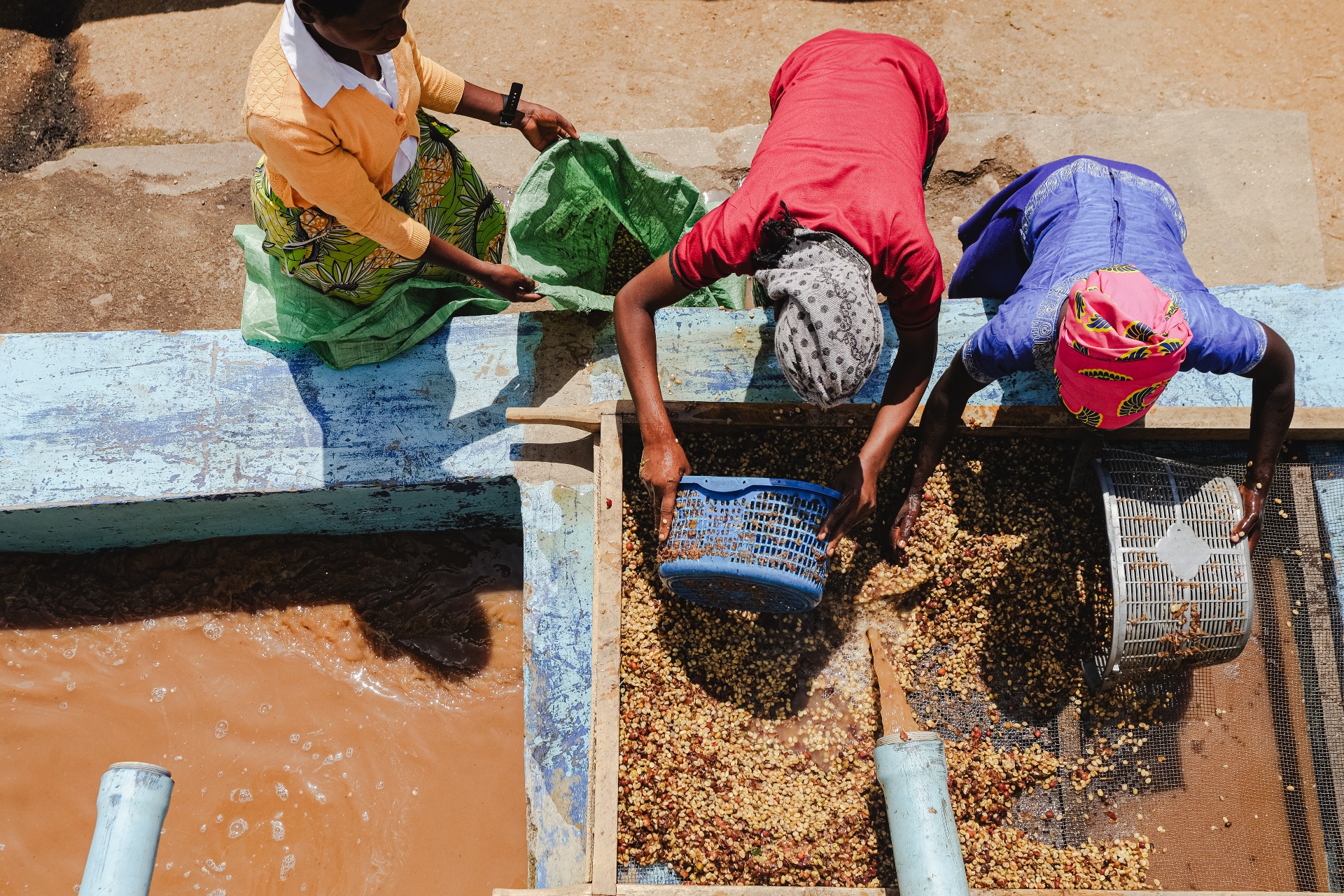 Другие названия метода: полностью мытый, washed, fully washed, влажная обработка
Мытая обработка традиционна для стран с влажным климатом и развитой инфраструктурой обработки. Классические примеры — Колумбия, Кения, Гватемала, Руанда и Бурунди. Исторически мытая обработка получила распространение как способ быстрее и стабильнее высушивать кофе во влажных условиях. Однако она требует значительных ресурсов: воды, емкостей для ферментации, оборудования.
Ключевая сложность мытого метода — необходимость точного контроля ферментации и санитарных условий. Переферментация, загрязненная вода или недостаточная очистка оборудования могут привести к появлению посторонних вкусовых оттенков и нестабильности партии.
Кофе мытой обработки обычно отличается легким телом, чистым вкусовым профилем с более выраженной кислотностью.
Полумытая обработка: хани, палп-нэчурал
Полумытая обработка объединяет методы, при которых кожица удаляется до сушки, а зерно высыхает с частично сохраненной мякотью или клейковиной. В зависимости от технологии степень удаления слоев может различаться.
После сбора ягоды депульпируют, удаляя кожицу и часть мякоти. При хани и палп-нэчурал зерно сушат с остатками клейковины. При механическом удалении мякоти после депульпации зерно дополнительно проходит через демюсилятор, который почти полностью снимает мякоть и клейковину, после чего кофе сушат в пергаментной оболочке.
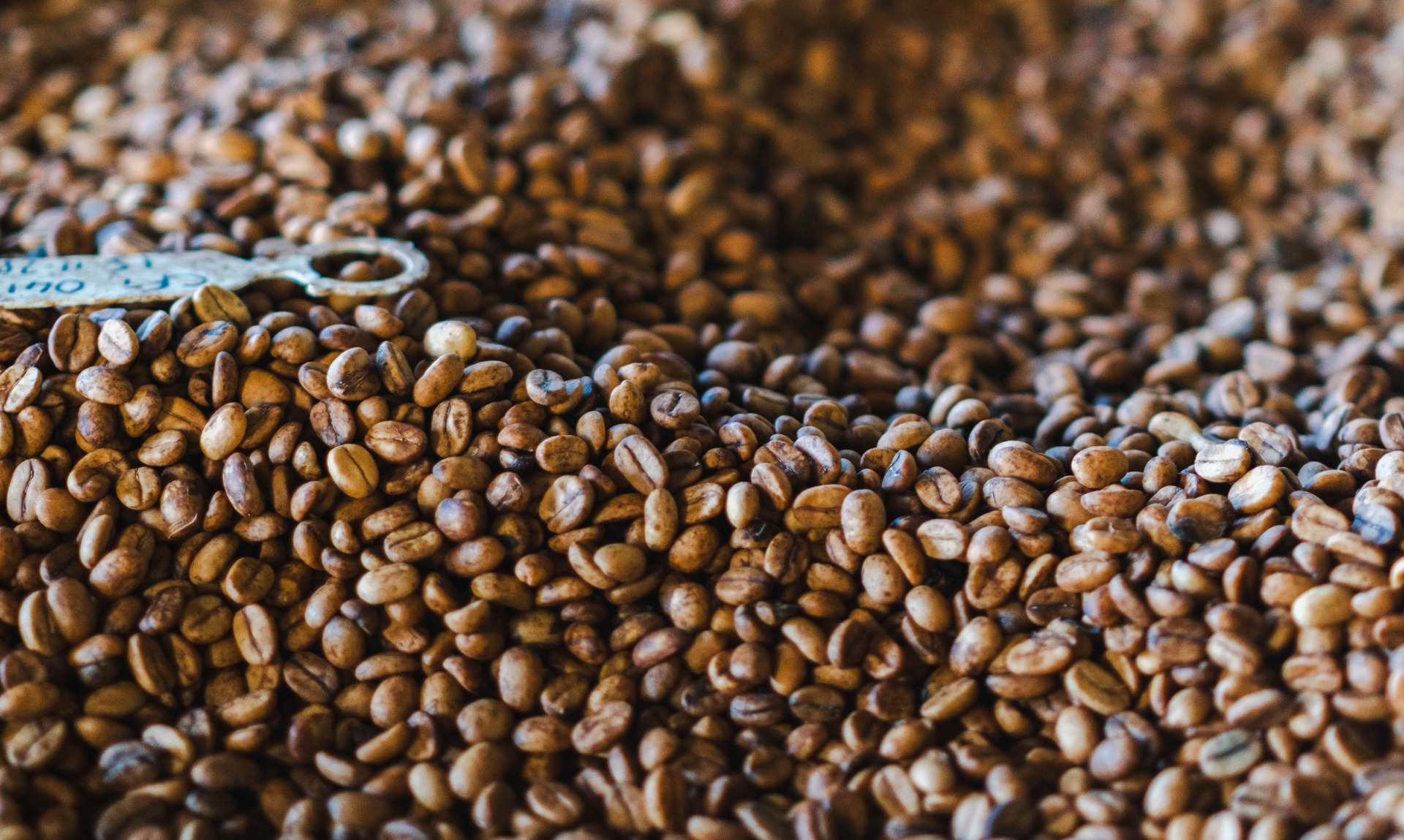 Другие названия метода: honey, pulp natural, полусухой, semi dried, полумытый, semiwashed
Полумытые методы традиционны для Бразилии и стран Центральной Америки, прежде всего Коста-Рики и Сальвадора. Эти способы развивались как компромисс между натуральной и мытой обработками, позволяя сократить расход воды и ускорить сушку.
С практической точки зрения полумытая обработка требует либо аккуратной ручной сушки, как в случае с хани, либо дорогостоящего оборудования, как при механическом удалении мякоти. При этом оба варианта чувствительны к настройке процесса.
Основные риски связаны с неоднородностью результата. При хани высокая липкость зерна усложняет сушку и повышает риск неравномерного высыхания. При использовании демюсиляторов существует риск механического повреждения пергаментной оболочки, что может ускорять старение зерна.
Кофе полумытой обработки обычно сочетает плотность и сладость, характерные для натуральных лотов, с большей чистотой вкуса, присущей мытой обработке.
Вет-халл
Вет-халл — способ обработки, при котором пергаментную оболочку удаляют на раннем этапе, при повышенной влажности зерна. Дальнейшая сушка происходит уже без защитного слоя.
После депульпации и краткой ферментации зерно подсушивают в пергаментной оболочке. При влажности около 20–24% пергамент снимают, и зерно досушивают в таком виде. В результате зеленый кофе формируется быстрее, чем при других методах.
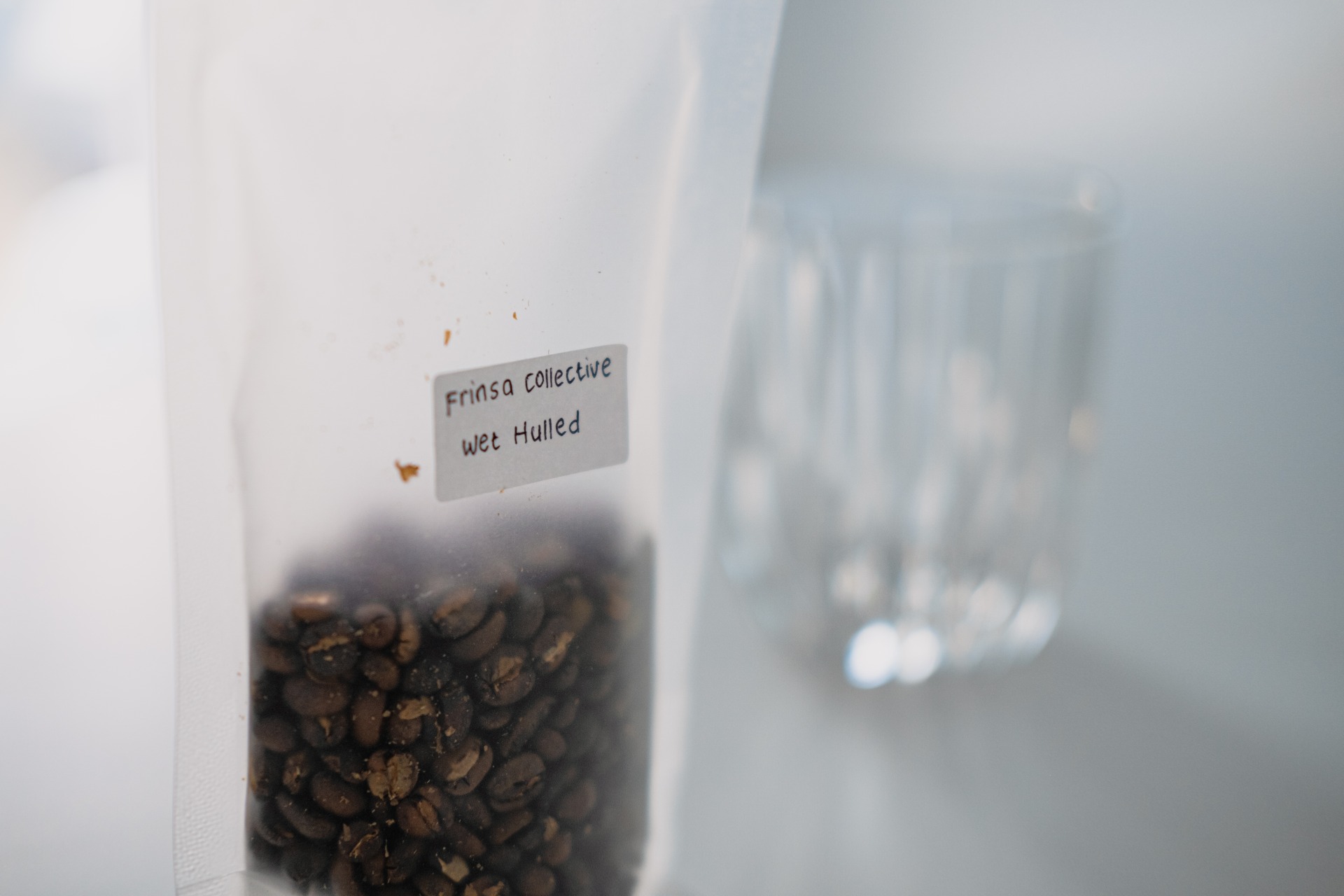 Другие названия метода: гилинг-басах, wet-hull
Вет-халл является традиционным методом обработки в Индонезии, прежде всего на Суматре. Его распространение напрямую связано с климатом региона, где высокая влажность и частые осадки делают длительную сушку в пергаменте затруднительной.
С практической точки зрения вет-халл позволяет ускорить обработку и снизить риск порчи урожая в условиях влажного климата. Однако раннее удаление защитного слоя делает зерно более уязвимым к условиям сушки и хранения.
Основные риски вет-халл обработки связаны с повышенной чувствительностью зерна к влажности и механическим повреждениям, а также с более быстрым старением при неправильном хранении.
Кофе вет-халл обработки обычно обладает плотным телом, сниженной кислотностью и характерным, легко узнаваемым профилем.
Ферментация как инструмент: экспериментальные подходы к обработке
Изначально экспериментальными называли любые способы обработки, нетипичные для конкретного региона. Например, натуральную обработку в странах, где традиционно применяли мытый метод, или наоборот. В этом смысле экспериментом был не сам процесс, а отклонение от локальной практики.
В современной кофейной индустрии экспериментальными стали называть подходы, в которых производители целенаправленно изменяют параметры ферментации. Из этого контекста вырос термин «фанки» — обозначение ярко выраженных, нетипичных вкусовых и ароматических характеристик, сформированных в ходе обработки.
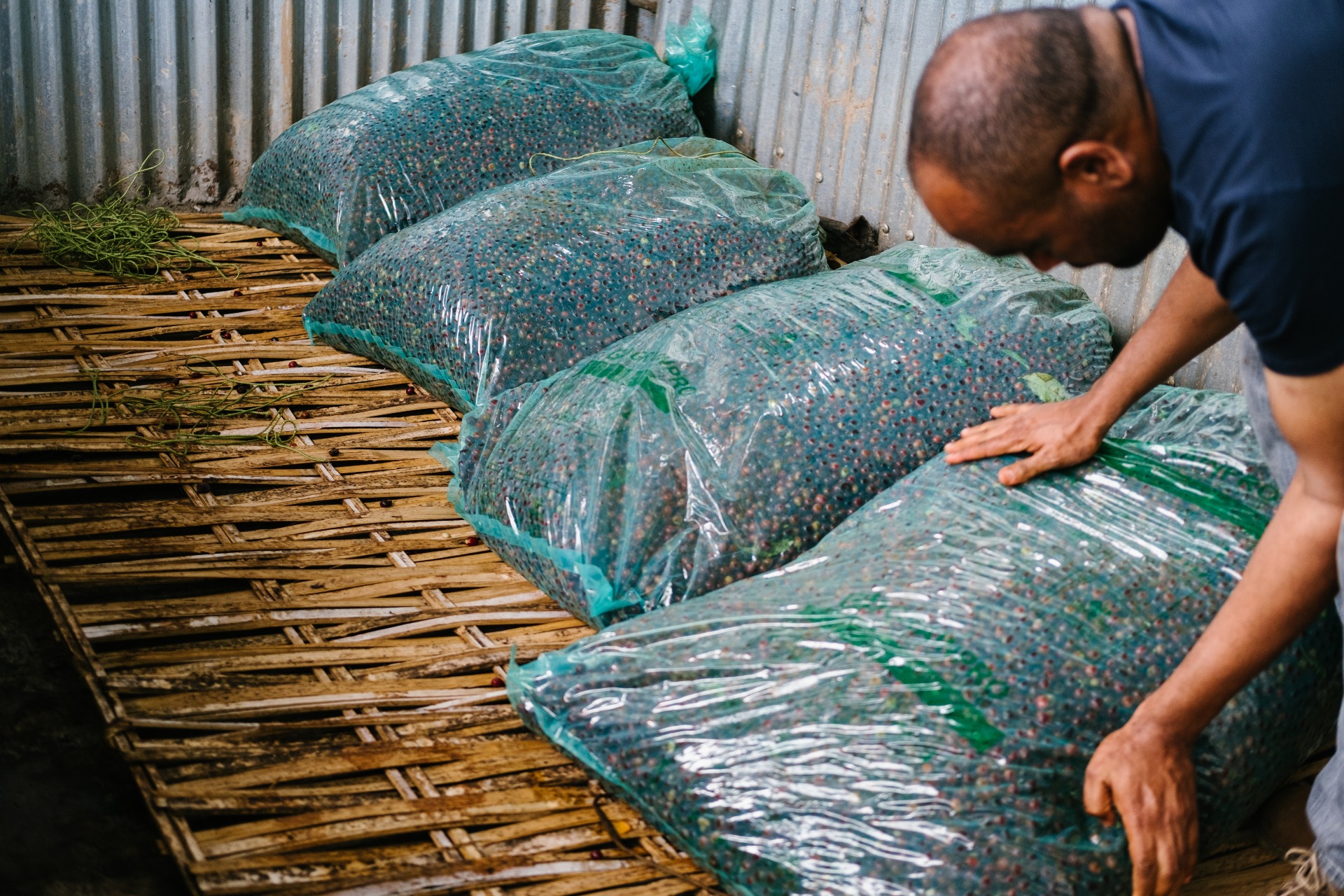 Фанки — это скорее не название определенного метода, а описание результата
Примеры альтернативных подходов к обработке:
Анаэробная ферментация. Ферментация цельных ягод или депульпированного кофе в герметичных емкостях без доступа кислорода.
Углекислотная мацерация. Разновидность анаэробной ферментации, при которой кислород вытесняют углекислым газом.
Комбинированные ферментации. Ферментация в несколько этапов — например, сначала в целой ягоде, затем после депульпации, или наоборот.
Ферментация с добавлением культур. Использование определенных штаммов дрожжей или бактерий для направленного изменения хода ферментации. Примеры: лактоферментация и коджи.
Продленные и модифицированные ферментации. Изменение стандартной продолжительности ферментации или условий температуры и давления.
Такие подходы не привязаны к конкретным странам или климату и применяются там, где у производителя есть доступ к оборудованию и возможность работать с небольшими партиями. Чаще всего их используют для микролотов, так как ферментация требует строгого контроля.
Кофе, обработанный с использованием фанки методов, обычно отличается нетипичными и яркими вкусовыми характеристиками. Эти особенности формируются за счет измененных условий ферментации и требуют точного и аккуратного описания при работе с рынком.
Роль обработки в оценке и позиционировании зеленого кофе
Способ обработки — один из параметров, по которым зеленый кофе описывают и сопоставляют на рынке наряду с происхождением, разновидностью и техническим состоянием зерна. Он задает общий стиль партии и формирует ожидания от вкусового профиля еще до каппинга.
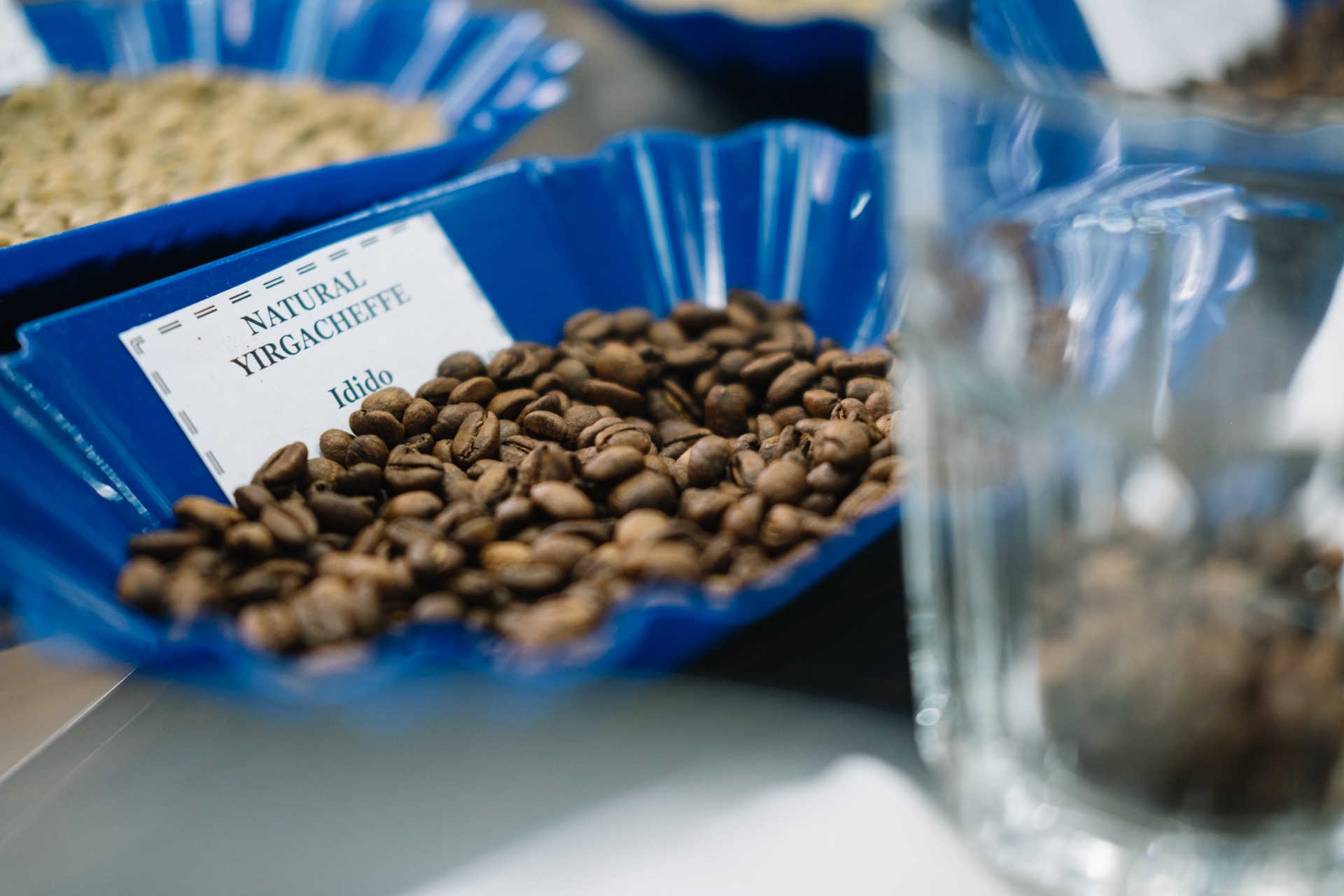 Каппинг — основной инструмент проверки качества обработки лота
При оценке зеленого кофе обработка важна не сама по себе, а в сочетании с тем, насколько точно была реализована технология. Один и тот же метод может давать принципиально разные результаты в зависимости от контроля ферментации, условий сушки и стабильности процесса. Ошибки на этих этапах, как правило, необратимы и напрямую отражаются во вкусе.
В ценообразовании способ обработки рассматривается как часть общего контекста партии. Он может влиять на дифференциал с учетом рыночного спроса, сложности производства и восприятия лота рынком, но не является самостоятельным показателем качества или ценности.
Резюме
Обработка зеленого кофе — это не просто удаление внешних слоев кофейной ягоды, а совокупность технологических и биохимических процессов, которые во многом определяют потенциал кофе.
Натуральная, мытая, полумытая, вет-халл и фанки обработки отличаются тем, какие слои ягоды сохраняются на этапе сушки и как организована ферментация. Эти различия формируют разные профили кофе, но ни один из методов не является гарантией высокого или низкого качества. Любой способ обработки может привести как к выдающемуся вкусовому профилю, так и к дефектам.
Для закупщика и обжарщика понимание обработки позволяет корректнее интерпретировать описание партии, оценивать потенциальные риски и прогнозировать поведение кофе при обжарке и в чашке.