Системы классификации кофе: что такое спешелти и как определяют качество зеленого кофе
Национальные классификации: как страны происхождения сортируют урожай
Национальные системы появились как инструмент сортировки урожая внутри страны. Они отражают требования местного экспорта и ориентируются прежде всего на физическое состояние зеленого зерна. В разных странах набор параметров отличается, но основу составляют три элемента: количество дефектов, однородность размера зерна и особенности его обработки.
Такой подход позволяет отделить партии, пригодные для экспорта, от партий, которые останутся на внутреннем рынке. Национальная классификация хорошо показывает техническое состояние зеленого кофе и помогает прогнозировать стабильность при обжарке.
Несколько примеров сортировки зерна в странах происхождения:
Эфиопия: грейд формируют по количеству дефектов и способу обработки. Пример: Ethiopia Sidamo Grade 2 washed — указание на регион, чистоту партии и метод обработки.
Бразилия: система учитывает дефекты, размер и cup quality — базовую категорию чистоты чашки. Пример: Brazil NY2, scr. 17/18, fine cup — минимальные дефекты, однородный размер, мягкий профиль.
Кения: сортировка строится в первую очередь на основе размера. Пример: Kenya AA — обозначение отражает крупный размер зерна, но не указывает на вкусовые характеристики.
Колумбия: категории Supremo и Excelso основаны на размере, а не на вкусовом потенциале. Supremo — более крупное зерно, но внутри категории возможны разные уровни качества.
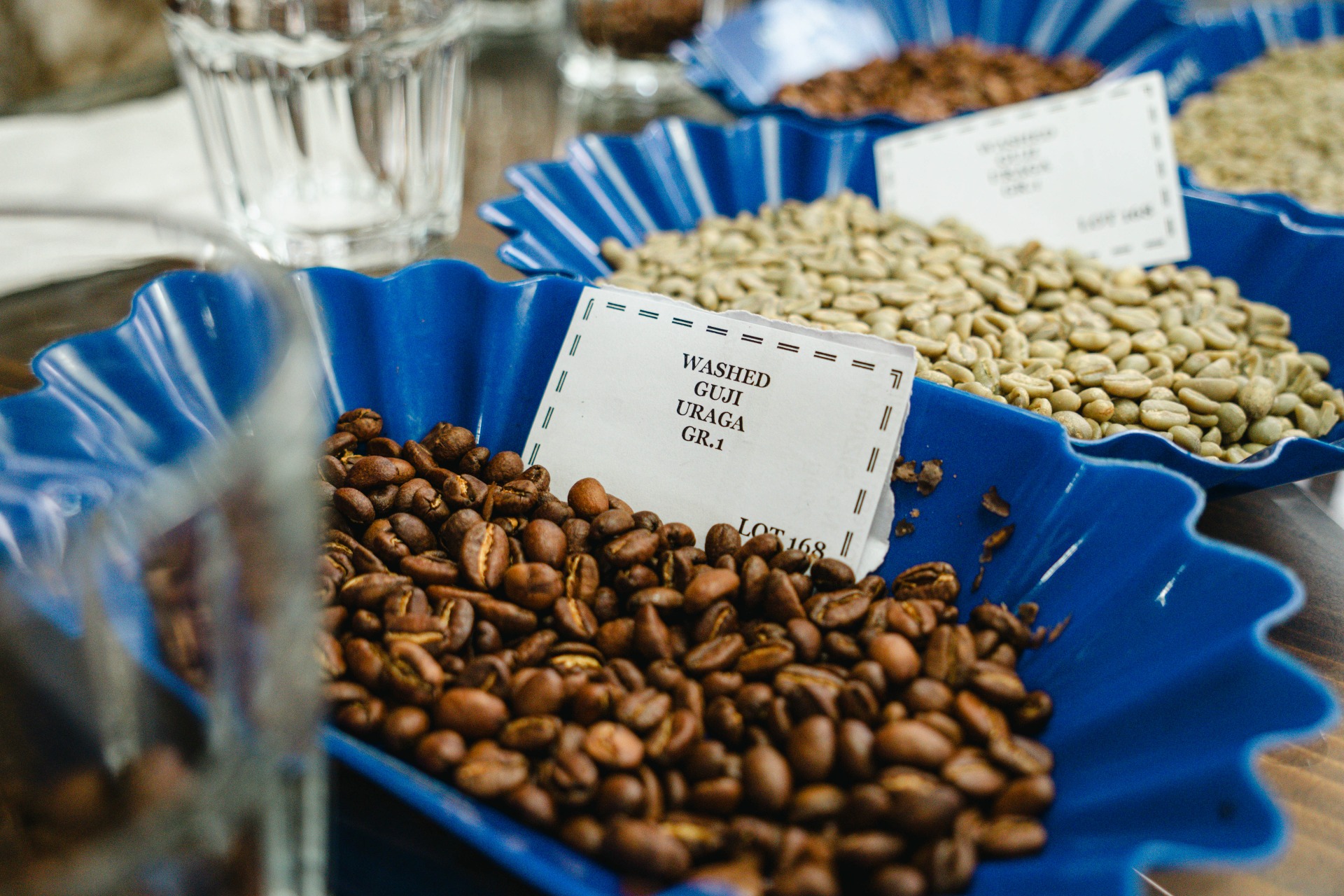 В Эфиопии сортировку часто проводят вручную, и грейды 1–2 предполагают более тщательную ручную доочистку, что влияет на чистоту чашки
Эти примеры демонстрируют общий принцип: национальная классификация описывает физическое состояние партии, но не определяет ее вкусовой потенциал. Два лота с одинаковым обозначением могут давать совершенно разный профиль, и для оценки вкуса необходима отдельная процедура.
Уровни качества: commercial, fine commercial и specialty
В профессиональной среде принято рассматривать рынок зеленого кофе с точки зрения трех категорий качества: commercial, fine commercial и specialty. Это не формальная система, а рабочая: она помогает отделить массовые партии от партий повышенного уровня и лотов наивысшего качества.
Коммерческий кофе может быть разного качества, но назначение у него всегда одно: стабильные крупные партии для массового рынка. Такой кофе может иметь различный вкусовой потенциал — от простого до вполне интересного, — но его производство, сортировка и подготовка ориентированы на объем и повторяемость, а не на высокое качество. Вкус такого кофе, как правило, ровный, без ярко выраженной кислотности и сладости, и остается относительно неизменным от сезона к сезону.
 Бразилия обеспечивает основную часть мирового коммерческого сегмента благодаря масштабному и стандартизированному производству
Категория fine commercial появилась как способ выделить из коммерческого сегмента партии более высокого уровня. Кофе этой категории — с чистым и однородным профилем: пять чашек на каппинге стабильны, без дефектов вкуса. Он может набирать более 80 баллов по шкале SCA и прослеживаться как минимум до региона производства. Но при этом партия не будет относиться к спешелти, потому что не соответствует одному или нескольким критериям стандарта. Например, количество вторичных дефектов выше допустимого, нарушен диапазон влажности или зерно не проходило подготовку как спешелти кофе на стороне производителя. Такой продукт не относится к массовому сегменту и заметно превышает его уровень, поэтому fine commercial и выделяют в отдельную категорию.
Категория спешелти — это кофе высшего качества, который на каппингах набирает от 80 баллов и не имеет дефектов. Оценка не зависит от маркетинга или субъективного впечатления: партия должна соответствовать конкретным требованиям к зеленому зерну и вкусу чашки.
Так устроена трехуровневая структура рынка. И именно формализованные требования, описанные в стандарте спешелти, определяют, почему один лот остается в сегменте fine commercial, а другой — получает статус спешелти.
Международный стандарт спешелти
В основе стандарта спешелти — физическая и сенсорная оценка кофе. Оба этапа важны: чистая чашка невозможна без качественно подготовленного сырья, а хороший внешний вид зеленого зерна не гарантирует его высокий вкусовой потенциал.
Физическую оценку проводят на образце массой 350 г. Первичные дефекты — плесень, полностью черные зерна, крупные посторонние включения — не допускаются. Вторичных дефектов может быть не более пяти. Это зерна с частичными повреждениями, следами насекомых, трещинами, остатками пергамента и другими дефектами.
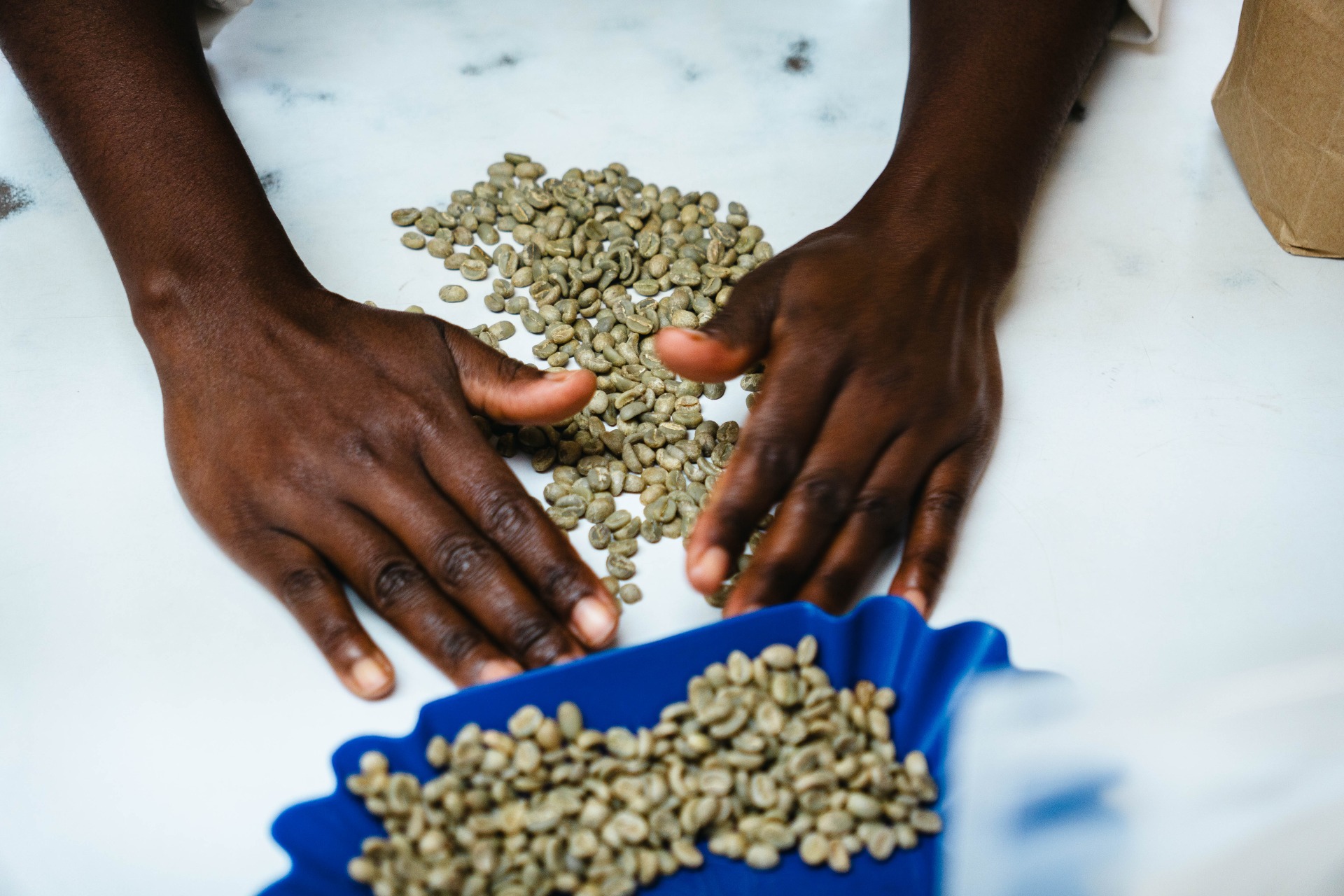 Большая часть дефектов формируется на этапах сбора, сушки и хранения, поэтому физический анализ показывает не только качество партии, но и качество работы производителя
Отдельно контролируют размер и однородность зерна. Стандарт не задает конкретного минимального скрина, но предполагает, что основная масса партии находится в диапазоне примерно 13–19 и имеет небольшой разброс по размеру. Такая однородность снижает риск неравномерной обжарки.
Допустимый диапазон влажности — 8,0–12,5%. Значения выше увеличивают риск образования плесени и порчи, значения ниже — приводят к преждевременному старению зерна, хрупкости и нестабильности при обжарке. Эти параметры определяют, насколько партия подготовлена технически.
После физического анализа проводят каппинг по протоколу SCA. Образец обжаривают по стандартному профилю и оценивают минимум в пяти чашках, чтобы зафиксировать стабильность профиля. Отдельно отмечают аромат, вкус, кислотность, сладость, тело, баланс, чистоту чашки и отсутствие вкусовых дефектов. Итог формируется как сумма оценок.
Партия относится к категории спешелти, если набирает 80 баллов и выше и одновременно соответствует физическим требованиям. Класс спешелти присуждают только арабике. Порог в 80 баллов фиксирует минимальный уровень чистоты и устойчивости вкуса — выше начинается вариативность, связанная уже не с дефектами, а с происхождением, высотой, на которой произрастает культура, и обработкой.
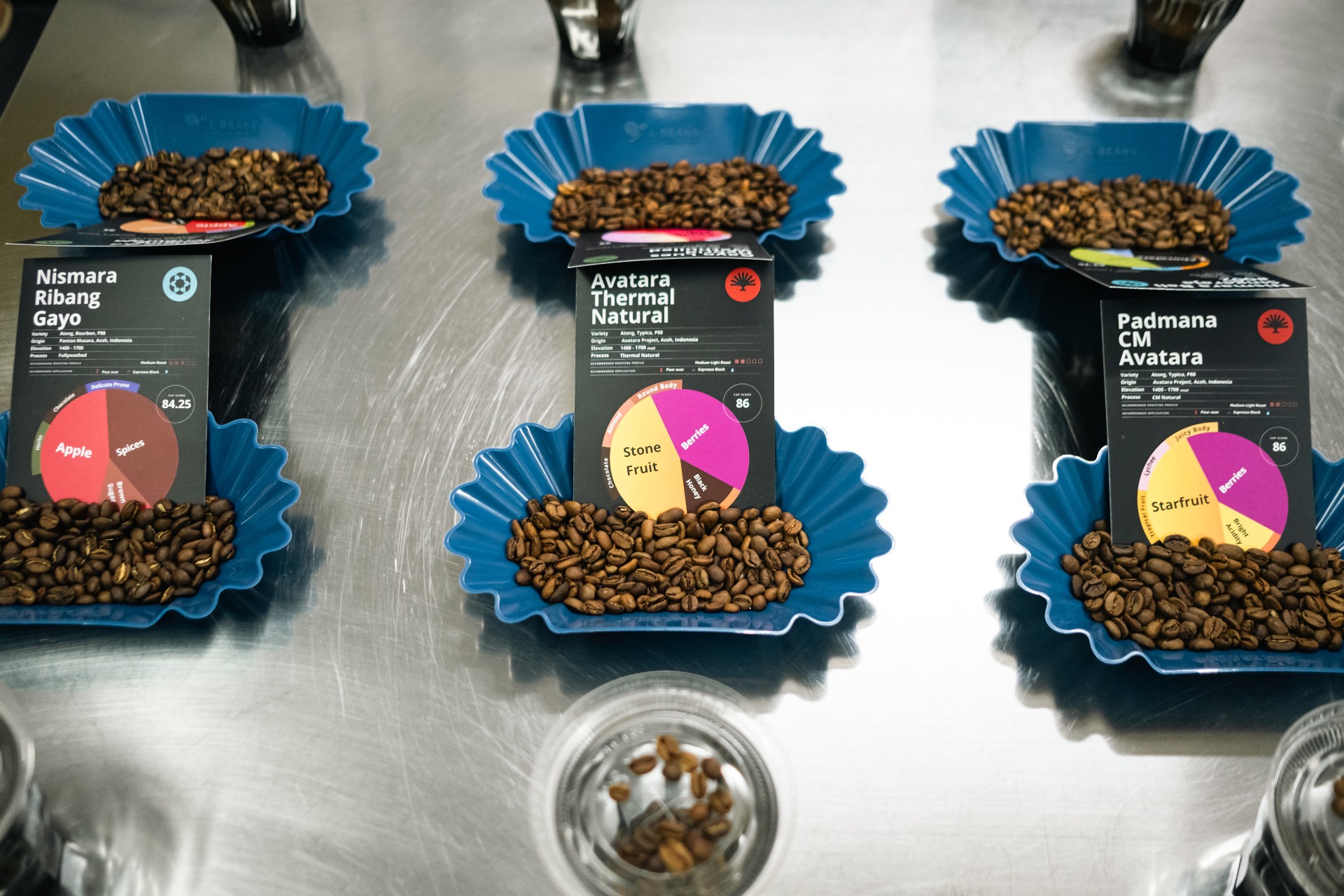 Оценивают кофе специалисты — Q-грейдеры: они ставят баллы за каждый критерий, затем получившиеся оценки суммируются
Помимо оценки, SCA рассматривает прослеживаемость, устойчивость производства и прозрачность цепочки как важные характеристики современного спешелти кофе. Эти параметры не входят в обязательный набор критериев для присвоения категории спешелти, но помогают лучше понять качество и объясняют ценообразование лота.
Как используют классификации при закупке
Для закупщика классификация — это инструмент системной оценки партии. Национальный грейд показывает техническое состояние зеленого зерна. Разделение на commercial, fine commercial и specialty помогает понять, в каком сегменте работает лот и каких ценовых ожиданий придерживаться. А стандарт спешелти дает способ объективно оценить саму партию: качество зеленого зерна, стабильность чашки и вкусовой потенциал. И понять, насколько лот подходит для работы в верхнем сегменте и оправдывает свою стоимость.
Но ключевое решение всегда за каппингом. Даже при самом высоком национальном грейде партия может иметь нестабильный профиль, и наоборот — партии, не проходящие строго по стандарту, иногда дают чистую, комплексную чашку. Поэтому классификация создает рамки, в которых работает закупщик, но итоговое решение о закупке происходит на каппинговом столе.