Сэмпл обжарка кофе: зачем она нужна и как ее проводят
Что такое сэмпл обжарка и зачем она нужна
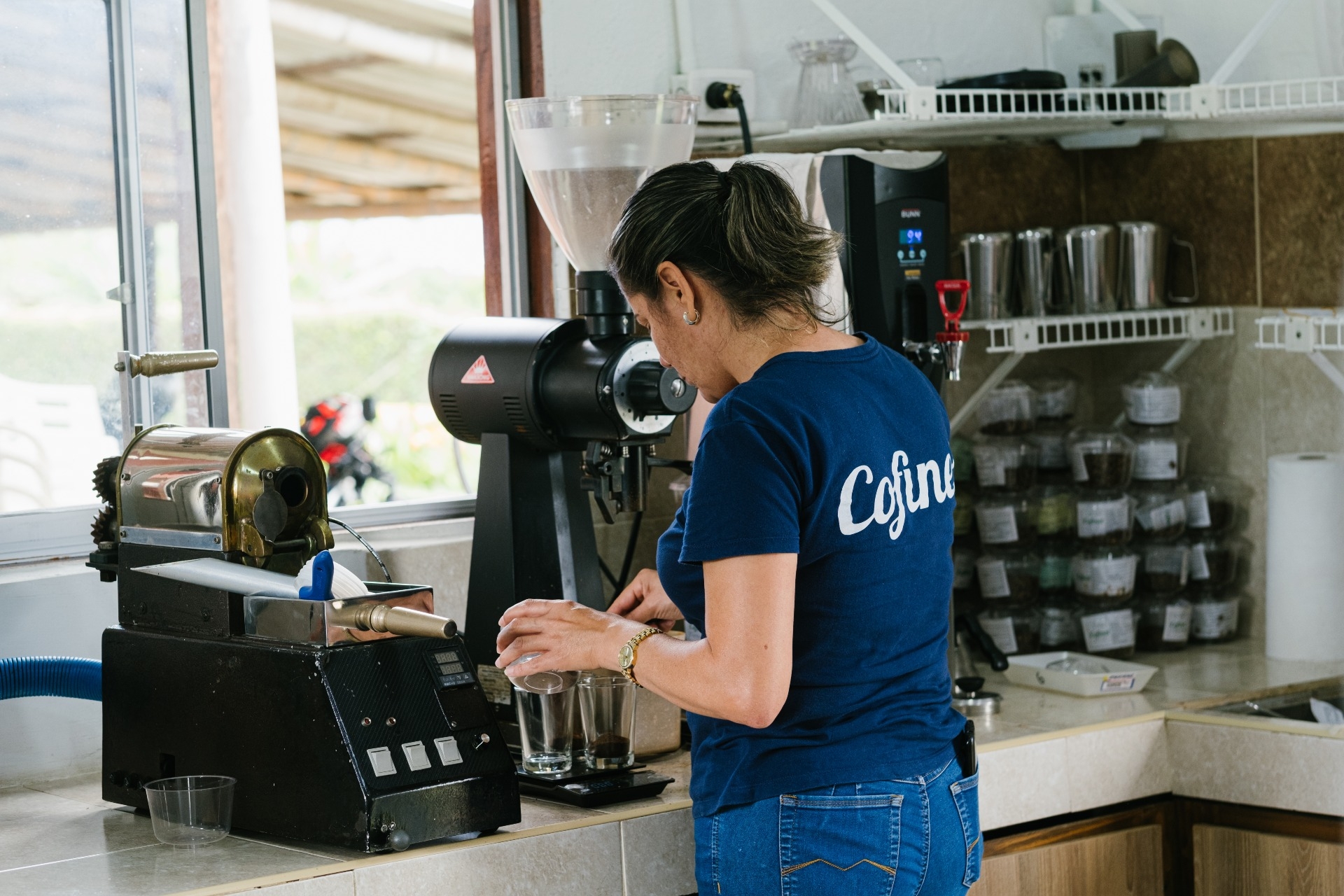
Сэмпл обжарка — это обжарка небольшого количества зеленого кофе, как правило от 50 до 300 г, на специальных компактных ростерах. На практике чаще всего используют образцы около 100 г. При загрузке выше 300 г обжарку относят уже к промышленной, даже если для нее используется сэмпл ростер.
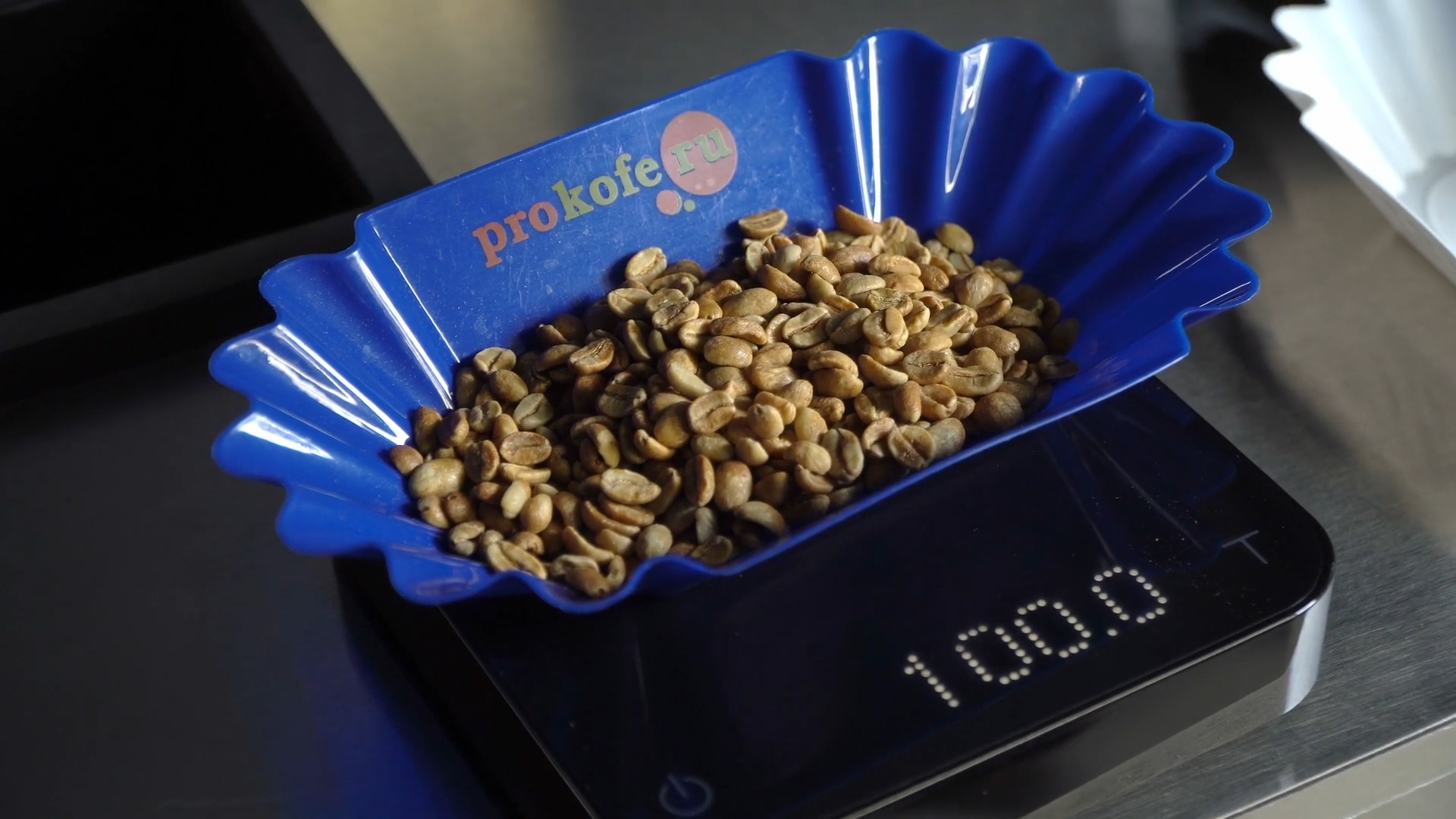 Образец в 100 г считается достаточным для стабильного процесса обжарки и проведения каппинга в нескольких чашках
В зависимости от этапа кофейной цепочки задачи сэмпл обжарки могут отличаться. На фермах и у экспортеров она нужна для первичной проверки качества и однородности, у импортеров — для отбора и сравнения лотов, у обжарщиков — для принятия решений о дальнейшем профилировании. При этом общий принцип сэмпл обжарки остается одним: подготовить образец зеленого кофе так, чтобы его можно было корректно оценить.
Сэмпл обжарка позволяет:
выявить вкусовые дефекты, которые невозможно обнаружить в зеленом зерне;
оценить чистоту чашки и однородность партии;
сравнить несколько лотов между собой;
понять базовый вкусовой потенциал кофе.
Сэмпл обжарка снижает риск закупки некачественного зерна. Обжаривать сразу большую партию без предварительной оценки нецелесообразно, а малые образцы в промышленном ростере очень трудно обжарить корректно.
Роль стандартизации и подход SCA
В индустрии нет отдельного протокола, который регламентировал бы сэмпл обжарку как самостоятельный процесс. Однако SCA фиксирует требования к подготовке образцов для каппинга в стандарте Sample Preparation and Tasting Mechanics, который используется как основной нормативный документ при профессиональной оценке кофе.
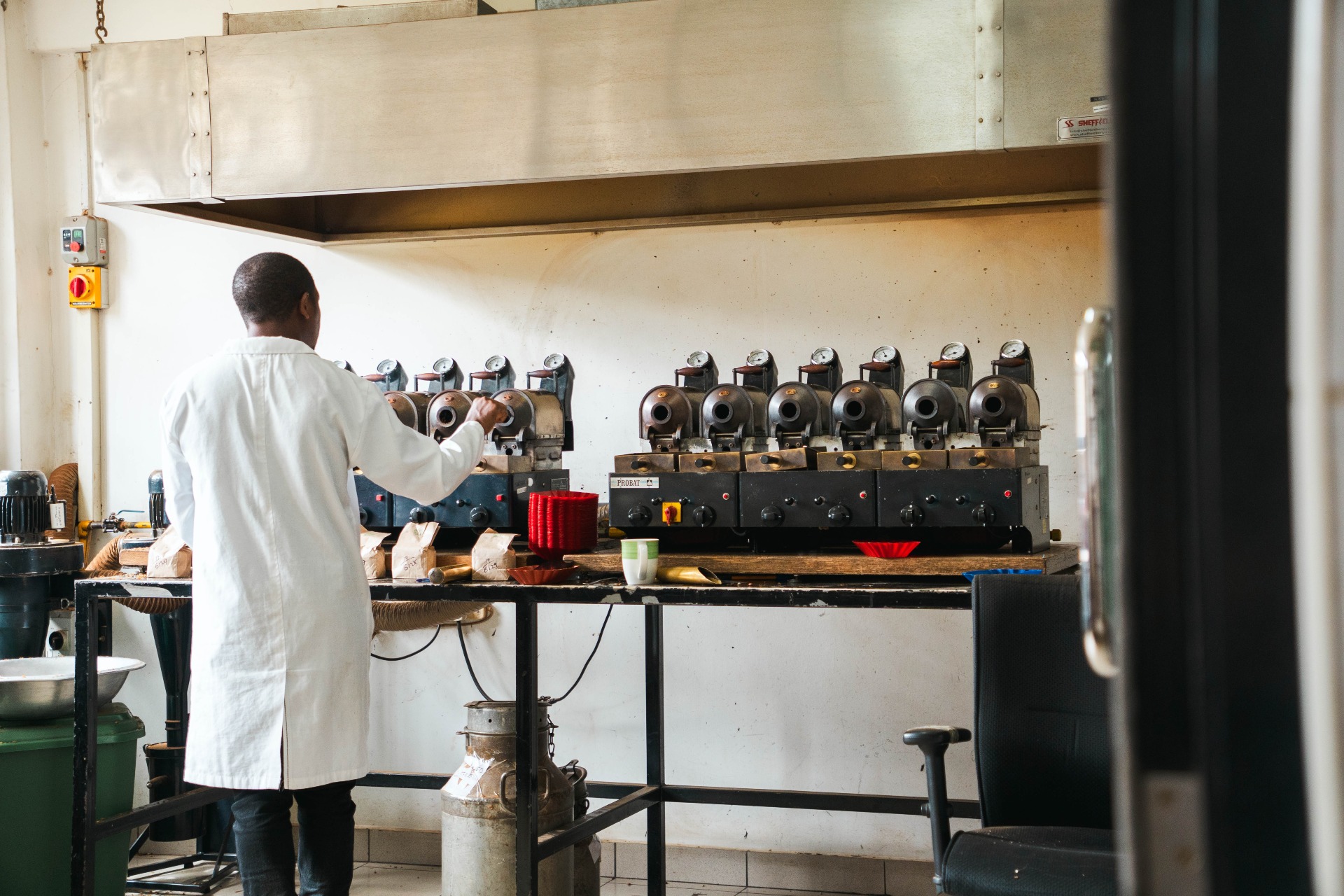 В профессиональной среде сэмпл обжарку не рассматривают как уменьшенную версию производственной
Стандарт не задает конкретный профиль обжарки, но он определяет параметры, при которых образцы считаются сопоставимыми. Для каппинга рекомендуют светлую или среднесветлую степень обжарки, заданную через измеряемый цвет, а не через словесные определения.
Уровень обжарки измеряют не сразу, а после стабилизации образца — в интервале от 30 минут до 4 часов после обжарки. Измерение выполняют на молотом кофе, подготовленном по протоколу каппинга. В качестве ориентиров используют диапазон светлоты L*, составляющий примерно 26–29 в системе CIELAB, что соответствует значениям около 63–65 по шкале Agtron Gourmet.
Также заданы временные рамки между обжаркой и оценкой образца. В практике SCA принято проводить каппинг не ранее чем через 8 часов после обжарки и не позднее чем через 24 часа. Это позволяет снизить влияние активной дегазации и получить более стабильный результат в чашке.
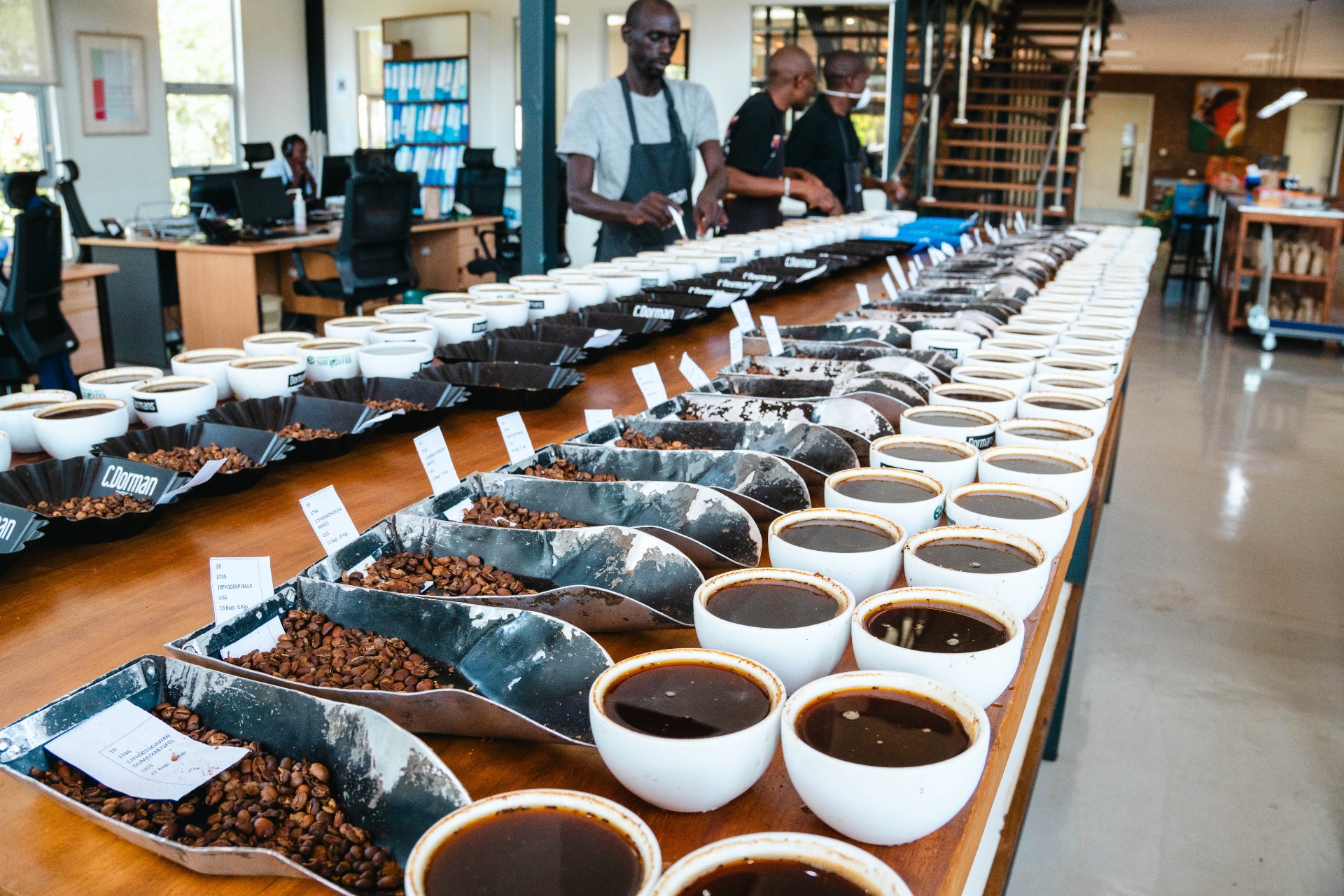 Темную обжарку не рекомендуют, так как она маскирует дефекты и сглаживает различия между лотами
Рекомендации SCA не направлены на получение выразительного вкуса. Их задача — создать нейтральную точку отсчета, при которой образцы можно корректно оценивать и сравнивать между собой.
Оборудование для сэмпл обжарки
В сэмпл обжарке используют специализированные ростеры, рассчитанные на небольшую загрузку и стабильную воспроизводимую работу. Тип оборудования влияет на характер теплопередачи и на то, какие свойства зерна будут заметнее в чашке. Это всегда учитывают при интерпретации результатов каппинга.
Открытые барабанные сэмпл ростеры считаются классическим инструментом для обжарки образцов. Обычно они рассчитаны на загрузку около 100 г зерна и работают за счет кондукции — прямого контакта кофе с нагретым барабаном. К открытым барабанным сэмпл ростерам относятся, например, модели компаний Probat, Joper.
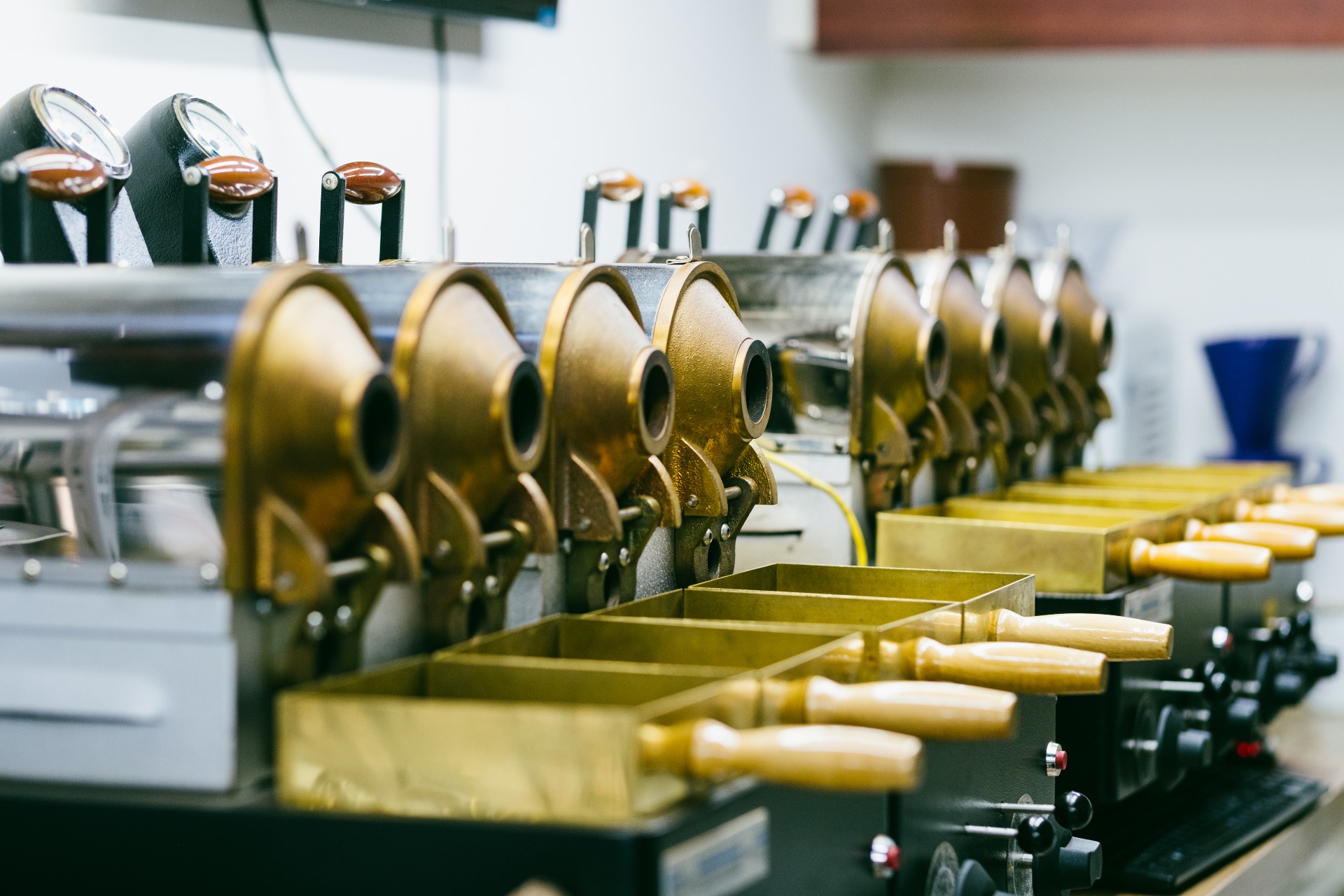 Кондукционная обжарка хорошо выявляет дефекты кофе
Открытые барабанные сэмпл ростеры увеличенного объема, 200–250 г, представляют собой подтип той же конструкции, но решают другую задачу. Они нужны там, где требуется заварить много чашек для оценки одного лота. Чаще всего это связано с работой с коммерческими сортами или партиями невысокой однородности. Типичный пример такого оборудования — сэмпл ростеры Burns.
Закрытые барабанные сэмпл ростеры по конструкции близки к промышленным, но меньшего размера. В них сочетаются кондукционный и конвекционный способы теплопередачи, а профиль обжарки можно контролировать точнее. Такое оборудование используют для экспериментов и работы с дорогими лотами. При этом часть дефектов может сглаживаться, поэтому результаты такой сэмпл обжарки требуют осторожной интерпретации. К подобному типу относятся, например, модели Giesen WPG1 и Diedrich IR-1.
Конвекционные сэмпл ростеры работают почти полностью за счет потока горячего воздуха и не имеют классического барабана. Они рассчитаны на очень небольшие загрузки и отличаются высокой повторяемостью, однако за счет особенностей теплопередачи могут сглаживать проявление отдельных дефектов. Такие ростеры часто используют для быстрого скрининга, работы с микролотами и во время обучения. Наиболее известный пример — ростеры компании IKAWA.
Лабораторные автоматизированные сэмпл ростеры со смешанной теплопередачей занимают промежуточное положение между барабанными и конвекционными системами. В них зерно получает тепло как от горячего воздуха, так и от нагретых поверхностей. Такое оборудование широко используют в лабораториях импортеров и обжарщиков для серийной работы с образцами. К этой категории относятся ростеры Roest.
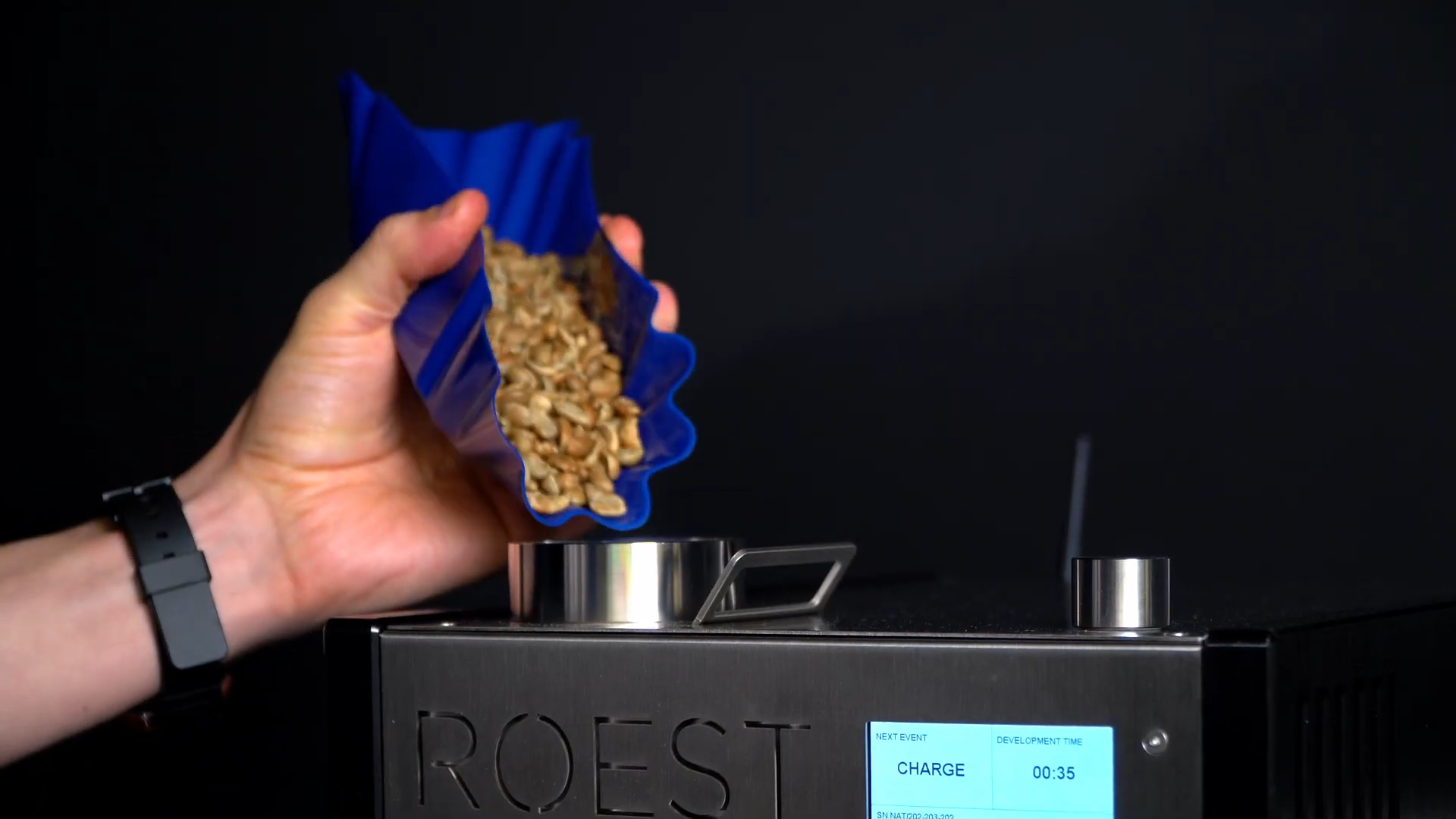 На сэмпл ростерах от Roest процесс полностью автоматизирован и хорошо воспроизводим
В индустрии нет универсального сэмпл ростера, подходящего для всех задач. Любой тип обжарки накладывает собственные ограничения и искажения. Именно поэтому при сравнении образцов ключевым фактором остается не модель ростера, а стабильность подхода и понимание процесса обжарки.
Алгоритм сэмпл обжарки
Подготовка
Сэмпл обжарка начинается с фиксации условий. Заранее выбирают стандартный вес загрузки для конкретного ростера и стараются не менять его без необходимости. То же касается температуры старта и базовых настроек воздуха и мощности. Если условия меняются от образца к образцу, результаты становятся несопоставимыми.
Зерно обычно не сортируют дополнительно перед обжаркой. Если задача — оценка лота, образец обжаривают в том виде, в каком он будет поступать в работу. При этом быстрый визуальный осмотр полезен. Он помогает заметить явную неоднородность или посторонние включения.
Построение профиля
Профиль сэмпл обжарки строят простым и нейтральным — не подбирают параметры под конкретный лот или напиток и не стремятся усилить отдельные вкусовые характеристики. Задача — равномерно прогреть зерно и довести его до степени обжарки, пригодной для оценки.
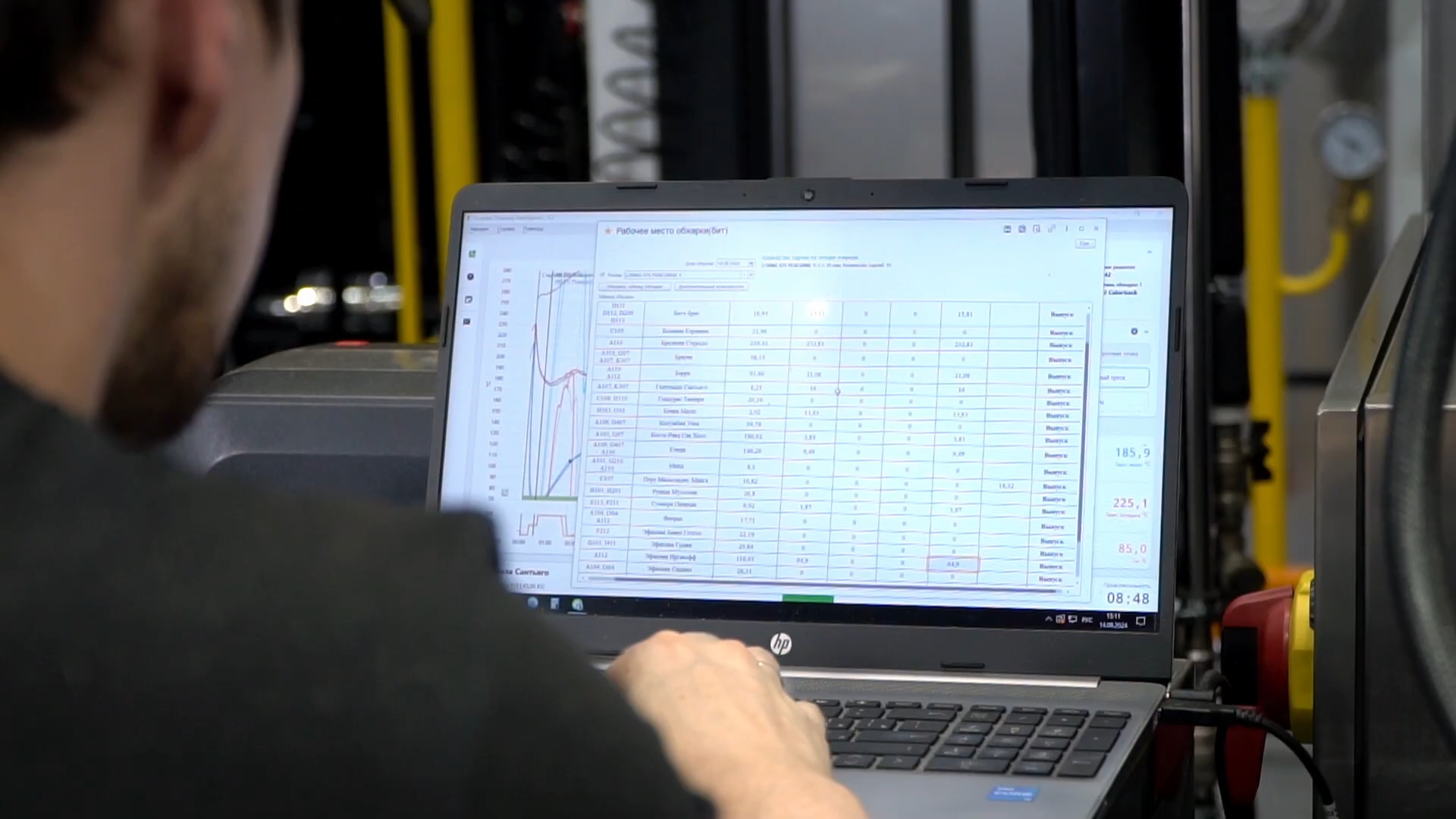 В среднем сэмпл обжарка длится от 8 до 12 минут
На старте избегают резкого набора температуры. Это снижает риск неравномерного прогрева и появления оттенков сырости. Далее стараются сохранить баланс между скоростью и продолжительностью процесса. Слишком быстрая обжарка часто подчеркивает кислотность в ущерб сладости, слишком растянутая — сглаживает различия между лотами. Первый крэк используют как ориентир. Обжарку обычно завершают вскоре после его начала, ориентируясь на цвет зерна, запах и общую динамику, не развивая кофе значительно дальше.
Охлаждение
После завершения обжарки образец важно быстро охладить, чтобы остановить дальнейшее термическое развитие. При небольшом объеме зерна задержка даже в десятки секунд может заметно повлиять на итоговый результат, поэтому в сэмпл обжарке обычно используют активное воздушное охлаждение.
Фиксация параметров
Параллельно с обжаркой фиксируют параметры, которые затем используют для интерпретации результатов каппинга. В рабочей практике обычно отмечают вес образца, общее время обжарки, момент первого крэка, базовые условия процесса и визуальную оценку цвета зерна. Эти данные не заменяют дегустацию, но дают контекст для сравнения образцов между собой и позволяют при необходимости повторить обжарку в тех же условиях.
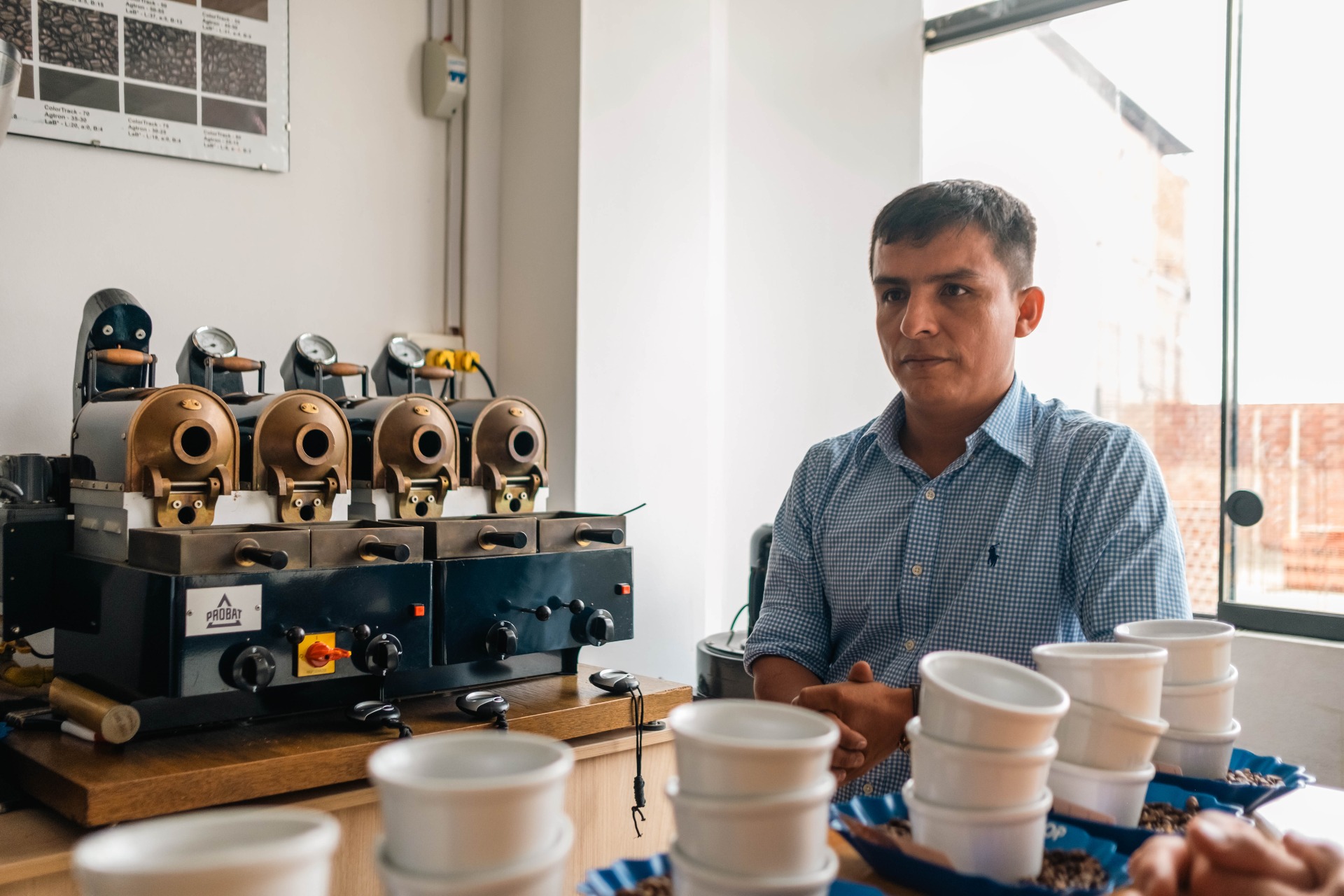 Сэмпл обжарка имеет смысл только в том случае, если один и тот же подход применяется ко всем образцам
Оценку образцов проводят на каппинге после периода отдыха, обычно в течение первых суток после обжарки. Все образцы заваривают в одинаковых условиях: стандартный помол, одинаковая дозировка, температура воды и время заваривания.
Главное
Сэмпл обжарка — это инструмент подготовки образцов зеленого кофе к оценке. Ее ценность заключается в нейтральности, воспроизводимости и возможности сравнения образцов в одинаковых условиях. При соблюдении общих рамок и стабильного подхода она дает надежную основу для принятия решений о закупке и дальнейшей работе с кофе.
Сэмпл обжарка всегда является упрощенной моделью. Она не показывает, как раскроется потенциал кофе, и не заменяет работу с производственными профилями. Кроме того, разные типы ростеров дают разные результаты при сэмпл обжарке. Поэтому опыт и стабильность подхода здесь важнее формального следования отдельным цифрам.