Как выращивают кофе в Уганде
Место Уганды в мировой кофейной индустрии
Кофе — один из ключевых экспортных товаров Уганды. Страна стабильно входит в десятку крупнейших производителей кофе в мире и занимает второе место в Африке после Эфиопии.
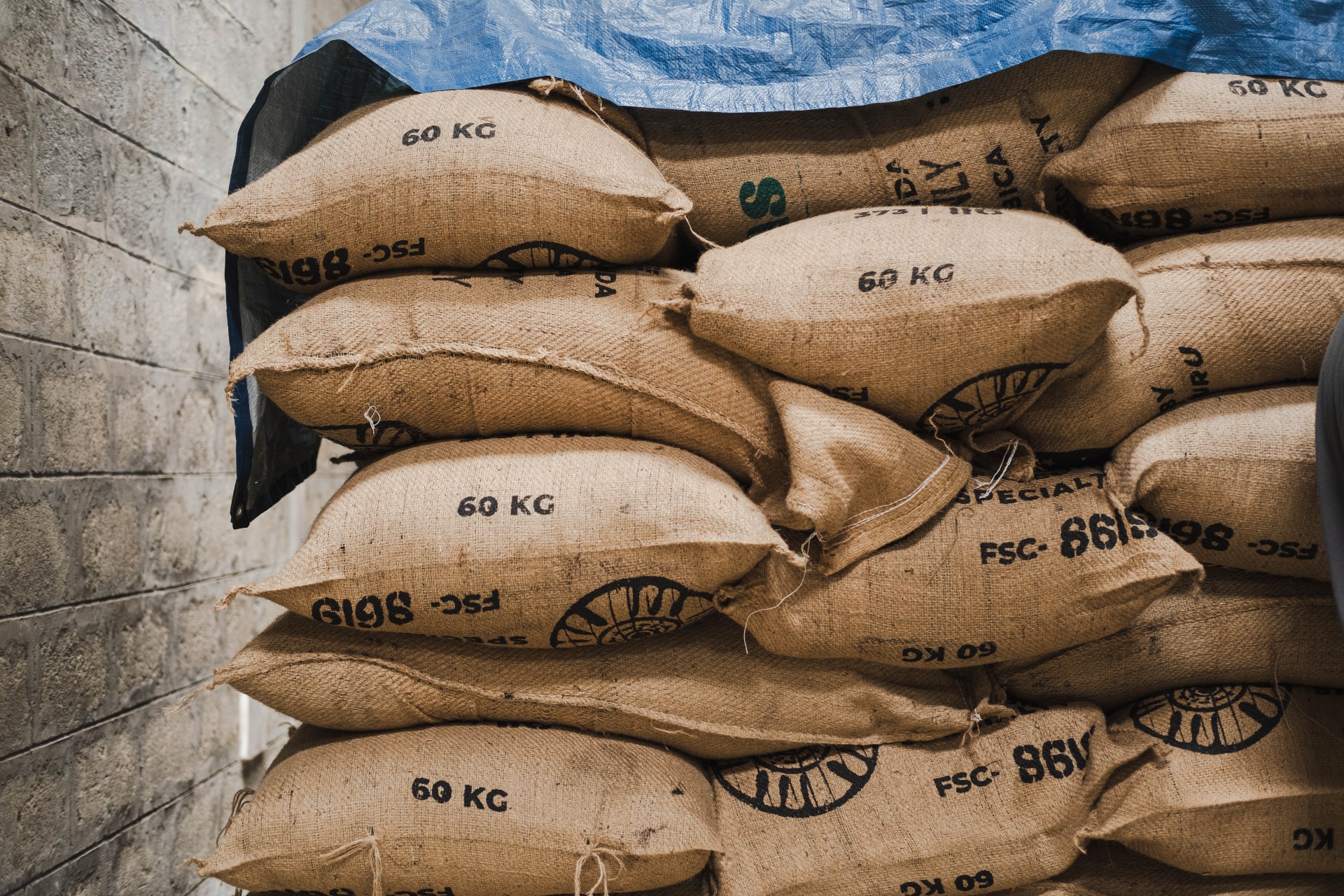 По данным Uganda Coffee Development Authority, ежегодное производство кофе составляет несколько миллионов мешков по 60 кг
Уганда — редкий пример страны, где робуста является автохтонной культурой. Coffea canephora в диком виде до сих пор растет в тропических лесах центральных и западных регионов. Арабика появилась значительно позже — в начале XX века, в период британского протектората.
Основную долю производства — около 75–80% — составляет робуста. Арабика занимает меньшую часть, но именно она в последние годы привлекает внимание рынка.
Природные условия и терруар
Уганда расположена на экваторе, но благодаря высотному рельефу большая часть кофейных регионов отличается умеренным климатом. Это одно из ключевых конкурентных преимуществ страны.
Средняя температура в кофейных зонах составляет около 24–26 °С и редко превышает 29 °С. В стране два выраженных сезона дождей — с марта по май и с октября по ноябрь. Такая схема обеспечивает стабильное водоснабжение и снижает риск засух.
Арабика выращивается в трех основных регионах:
восток страны, гора Элгон — высоты от 1300 до 2000 м над уровнем моря;
юго-запад, горы Рувензори — от 1400 до 2300 м;
северо-запад, регион Западного Нила — от 1200 до 1500 м.
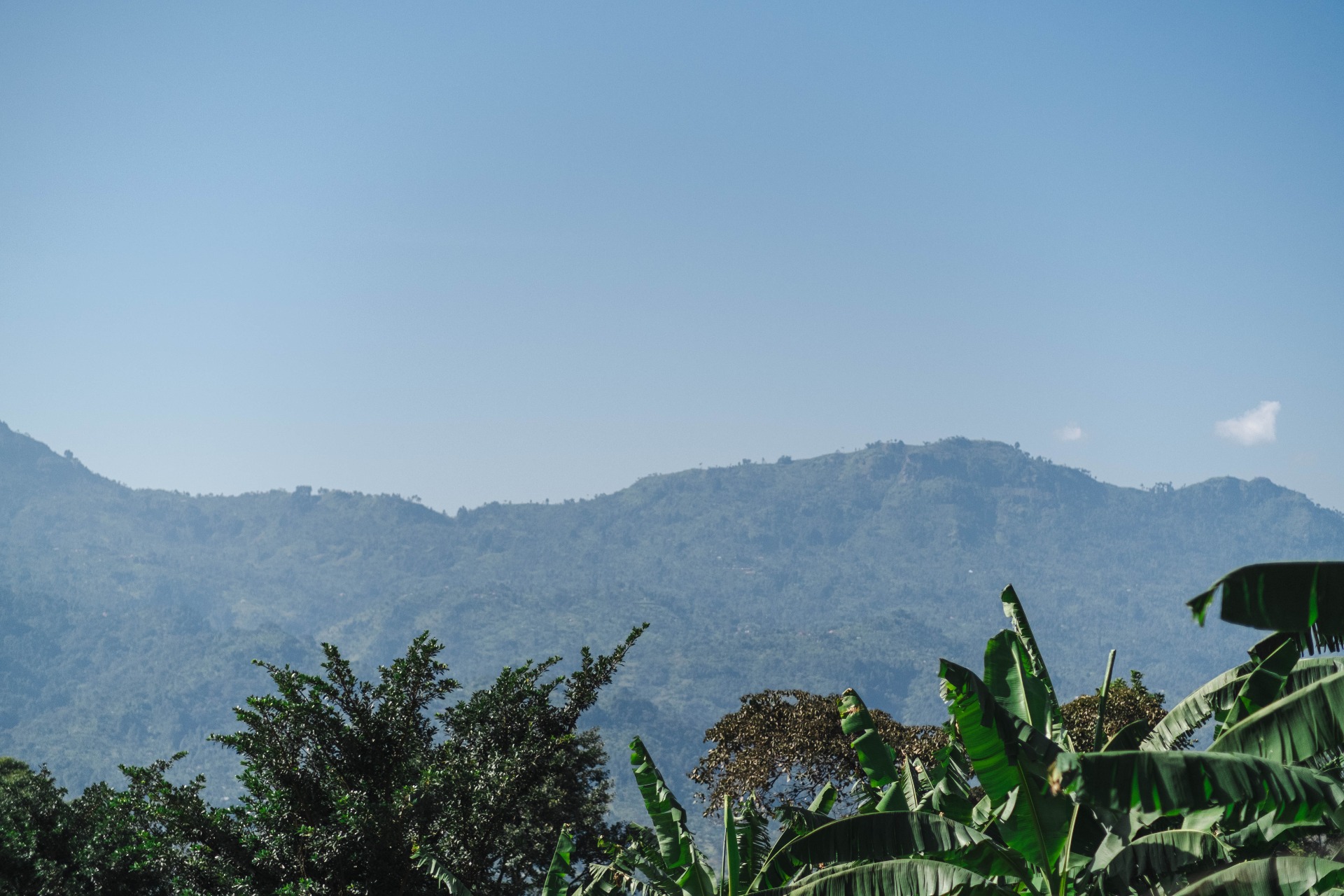 Значительные перепады температур днем и ночью в горах заставляют кофейные ягоды созревать медленнее и накапливать много сахаров и сложных кислот
Робусту выращивают преимущественно в центральных и западных регионах, часто на больших высотах — до 1500 м. Для робусты это нетипично и напрямую влияет на качество: зерно развивается медленнее и формирует более чистый и сложный профиль по сравнению с низинной робустой.
Структура производства
Кофейное производство в Уганде почти полностью опирается на мелких фермеров. Около 90% кофе выращивается хозяйствами площадью от 0,5 до 2 га. В среднем на гектаре растет менее 1500 деревьев, а одно дерево дает около 100–200 г зеленого кофе. Исторически фермеры обрабатывали кофе самостоятельно, прямо на участках.
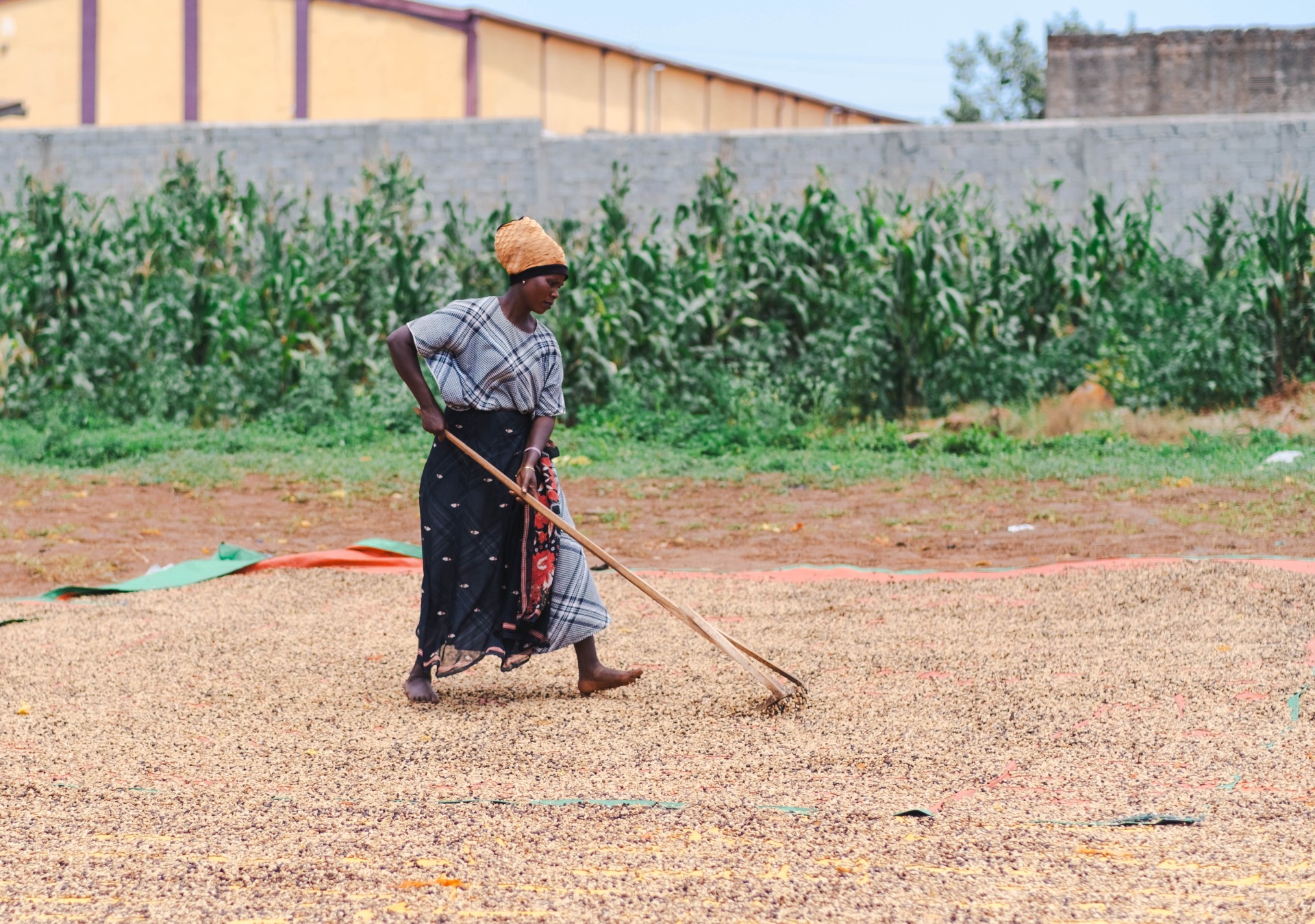 Централизованные станции обработки начали появляться только в начале 2000-х годов, поэтому система до сих пор остается децентрализованной
Часть фермеров объединена в кооперативы, часть продает ягоды перекупщикам или частным станциям. Унифицированной модели нет, и это одна из ключевых особенностей угандийского рынка: качество и стиль лотов сильно зависят от конкретного региона, партнера и года урожая.
Регулированием отрасли занимается Uganda Coffee Development Authority (UCDA), созданная в 1991 году. Организация отвечает за контроль качества экспортируемого кофе, исследования, обучение фермеров и продвижение угандийского кофе на международном рынке. Финансирование UCDA осуществляется за счет сбора с экспортируемого кофе.
Генетика и разновидности
Генетический фонд арабики в Уганде во многом сформирован в колониальный период. Наиболее распространены разновидности SL28 и SL34 — те же, что стали стандартом для Кении. Они хорошо адаптированы к условиям Восточной Африки и показывают устойчивость к болезням при относительно стабильном качестве.
Также в стране встречаются бурбон, типика, катимор и более современные гибриды, включая Ruiru 11.
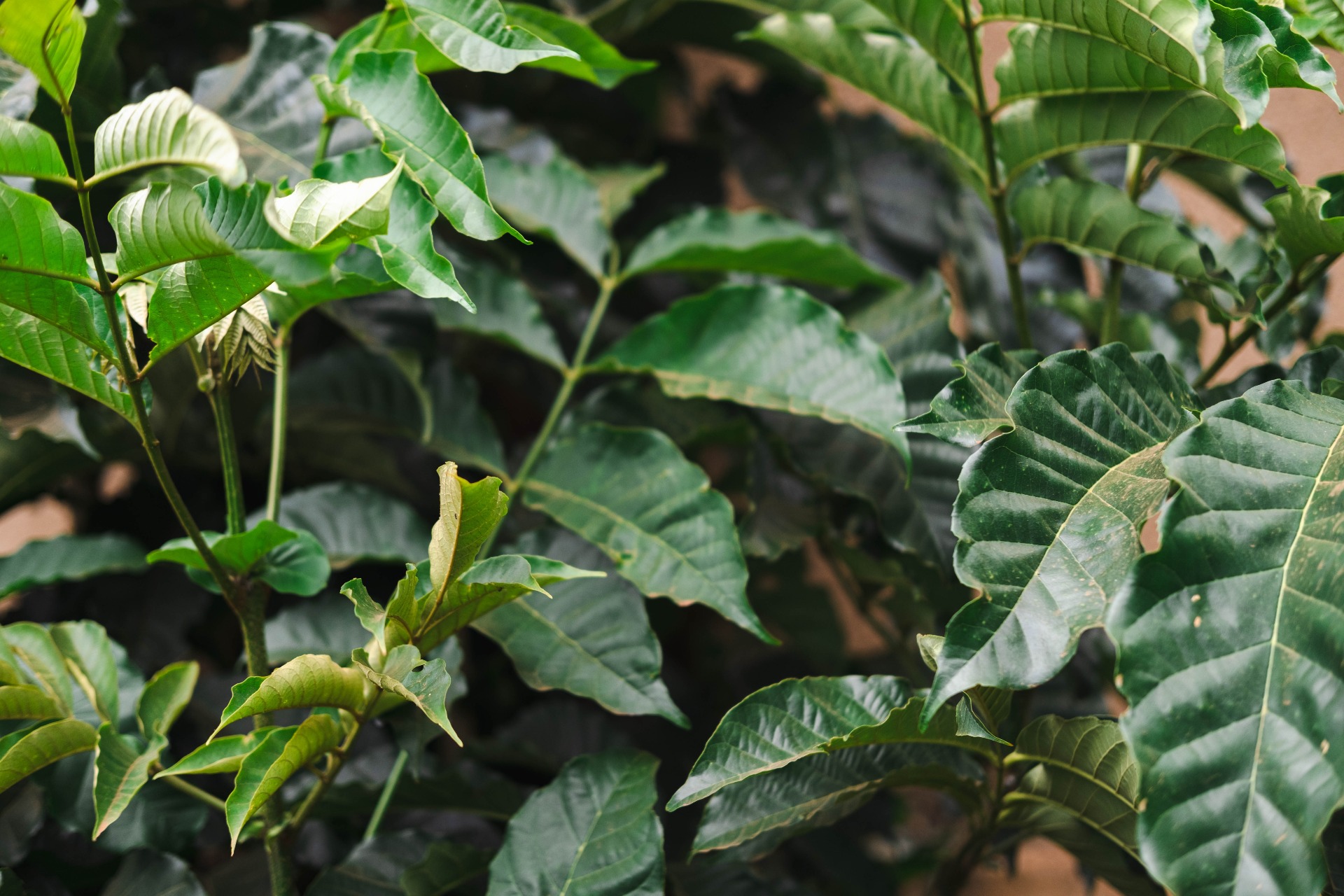 Посадки кофейных деревьев часто представляют собой селективные смеси, а не чистые моносорта
Робуста представлена локальными разновидностями Нганда и Эректа. Благодаря естественному происхождению и условиям выращивания угандийская робуста отличается более мягким профилем и меньшей резкостью по сравнению с промышленной робустой из низинных регионов других стран.
Практики выращивания
Кофе в Уганде почти всегда выращивается в смешанных агросистемах. Кофейные деревья соседствуют с бананами, бобовыми и другими культурами. Банановые посадки выполняют сразу несколько функций: создают тень, удерживают влагу в почве и дают фермерам дополнительный источник дохода.
Использование удобрений и средств защиты растений ограничено, особенно у мелких производителей. Во многих случаях это связано не с принципиальным отказом, а с экономией. Такая модель снижает урожайность, но часто положительно сказывается на себестоимости и экологическом следе производства.
Одной из ключевых проблем остается рост давления вредителей и болезней, связанный с изменением климата. В последние годы UCDA и международные организации внедряют обучающие программы и базовые меры защиты растений, включая контролируемое применение пестицидов.
Сбор урожая
Сбор кофе в Уганде осуществляется вручную. Робусту собирают практически круглый год с пиками в разные сезоны. Арабику — в основном с ноября по февраль.
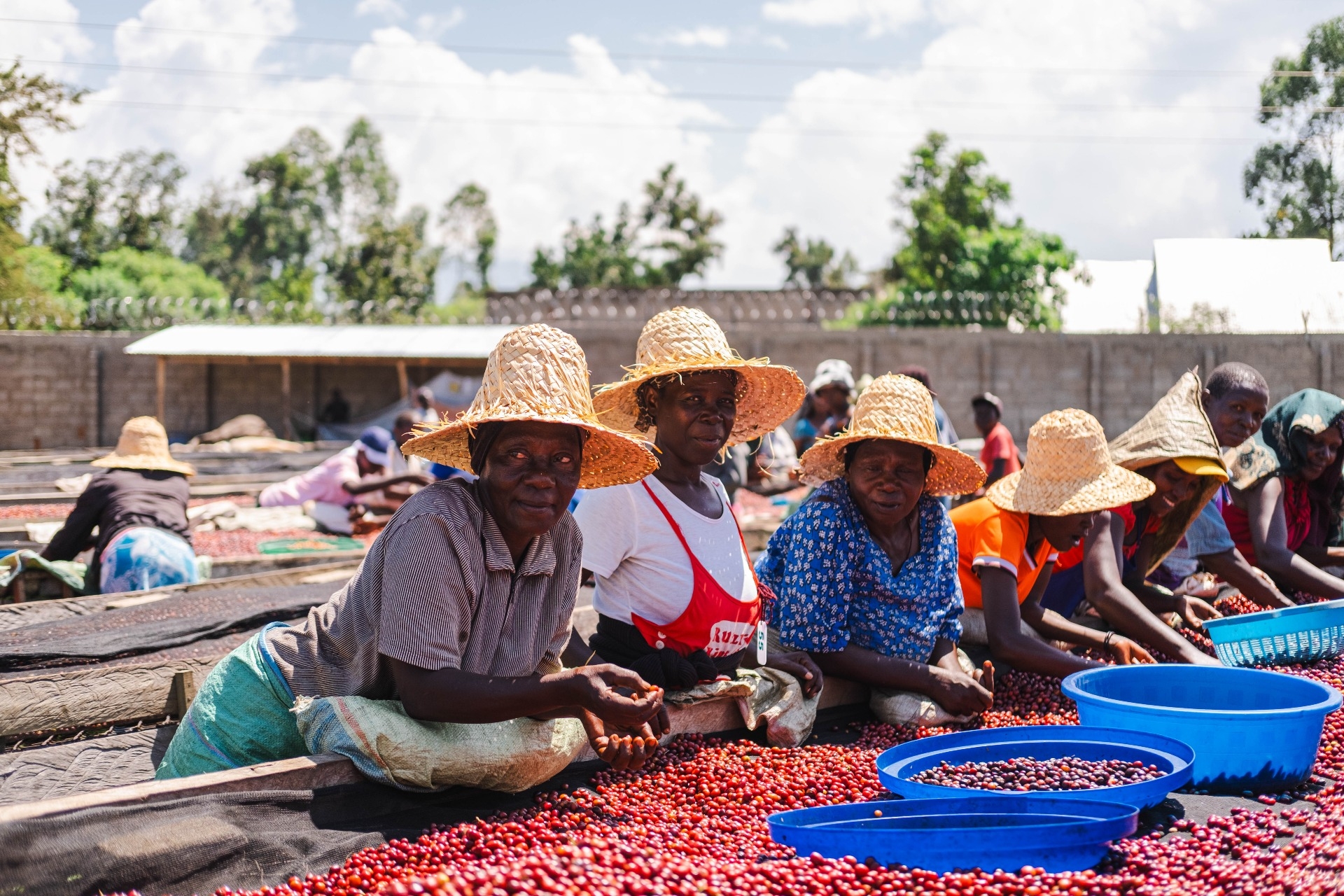
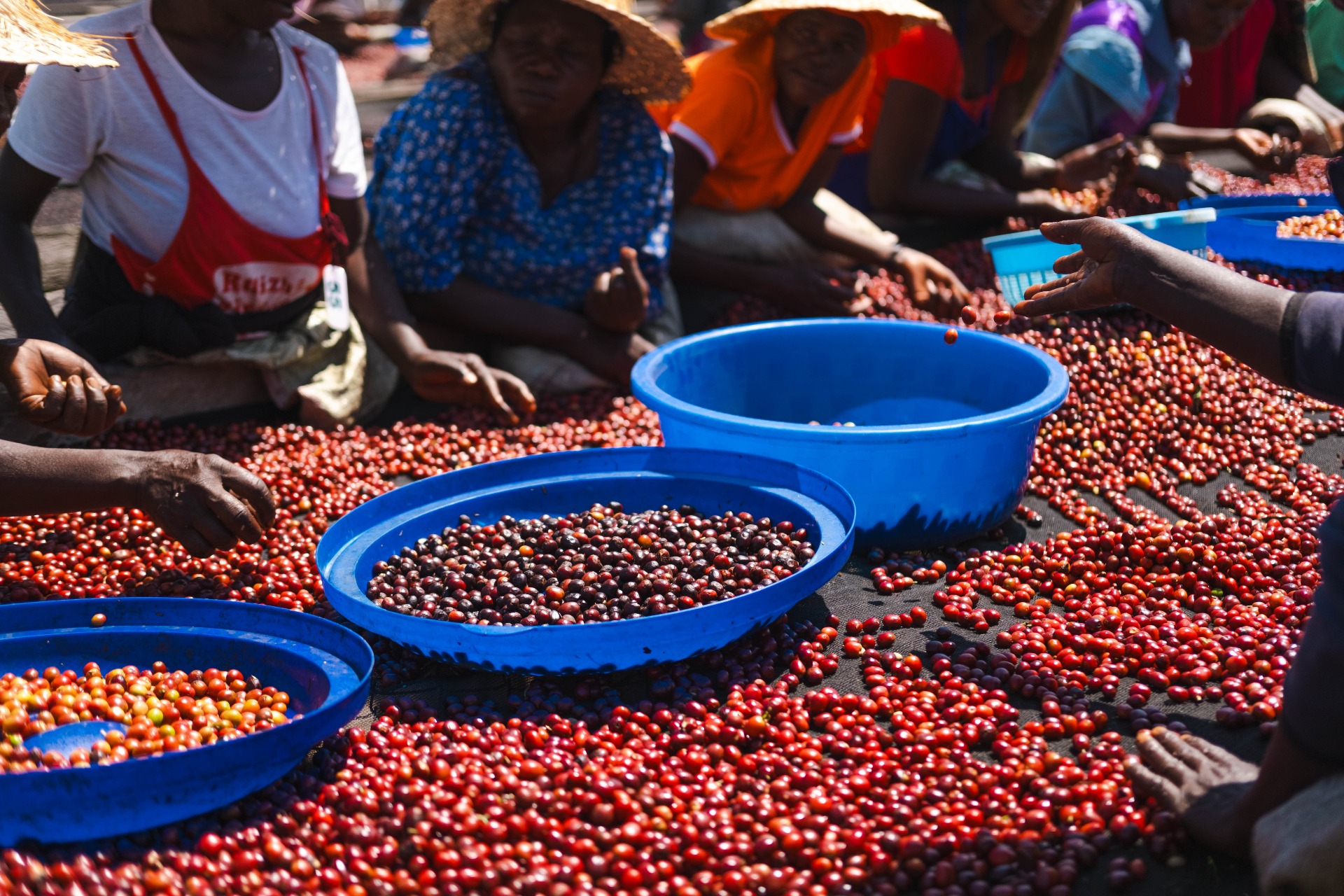 В Уганде женщины играют ключевую роль в посадке и сборе урожая, но имеют ограниченные права на владение землей
Селективность сбора сильно варьируется. При продаже ягод на вес стимул к тщательному отбору ниже, поэтому финальное качество лота во многом определяется тем, как дальше выстроены сортировка и обработка. В регионах и хозяйствах, ориентированных на спешелти сегмент, селективный сбор постепенно становится нормой, но пока это скорее исключение, чем правило.
Обработка кофе
По мере развития инфраструктуры роль станций обработки в Уганде растет, но значительная часть кофе по-прежнему обрабатывается на уровне фермеров.
Для арабики используются мытый и натуральный способы обработки. Локально они обозначаются как Wugar (washed Uganda Arabica) и Drugar (dried Uganda Arabica). Робусту преимущественно обрабатывают натуральным способом, реже — мытым, как правило, только более крупные зерна.
По оценкам UCDA, около 60% кофе в стране обрабатывается мытым способом, около 35% — натуральным. Оставшаяся доля приходится на хани и фанки обработки. Этот сегмент пока занимает небольшую часть рынка, но активно развивается за счет частных станций и запросов со стороны покупателей зеленого кофе.
Экономика и экспорт
Основным рынком сбыта угандийского кофе остается Европейский союз — на него приходится более 70% экспорта. Существенные объемы также поставляются в Судан и США. В общей сложности Уганда экспортирует кофе более чем в десять стран.
У страны нет выхода к морю, и весь экспортируемый кофе доставляется автомобильным транспортом в порт Момбаса в Кении. Это увеличивает стоимость логистики, сроки поставок и риски на этапе экспорта.
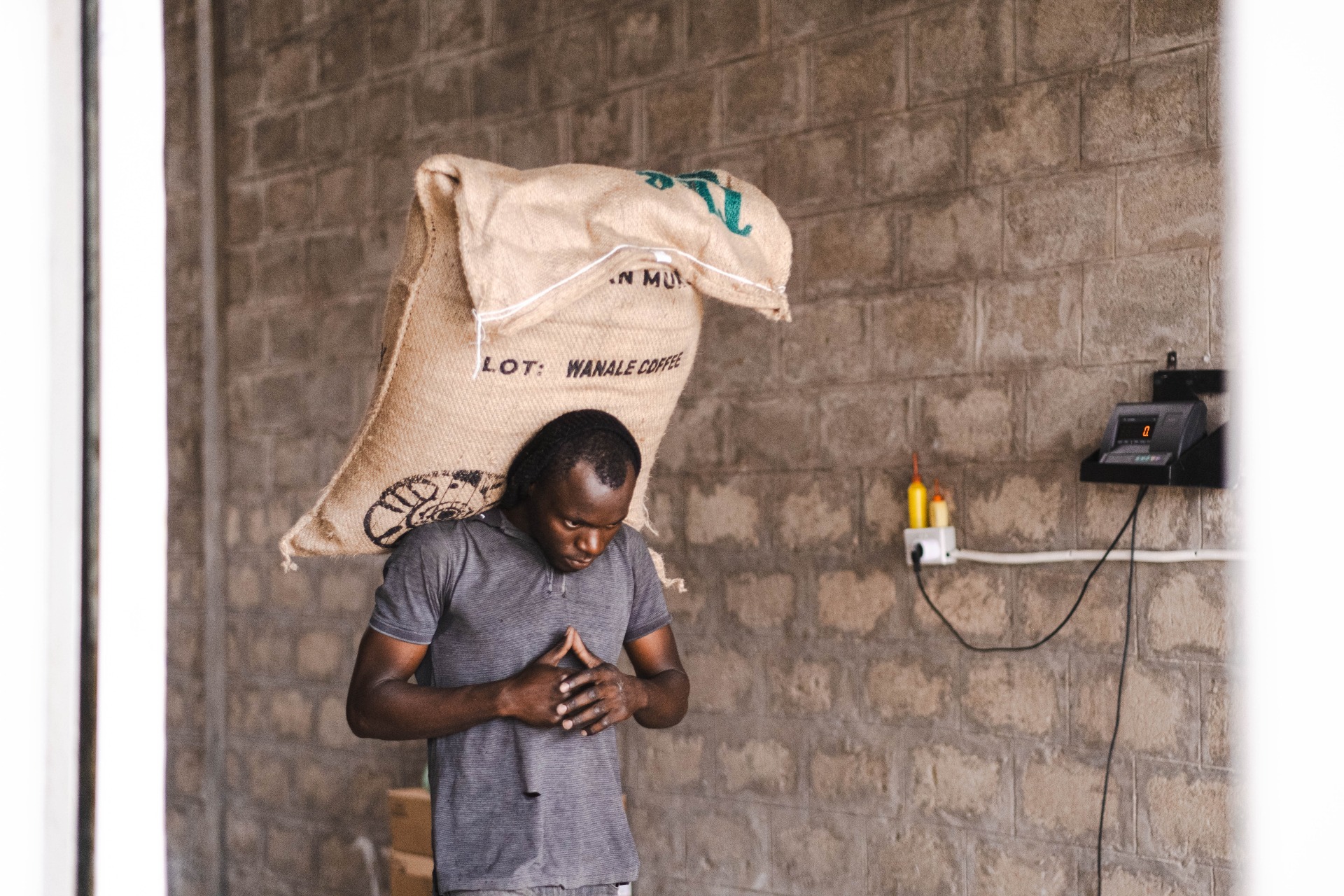 В стране отсутствует инфраструктура, а дороги в плохом состоянии — это не только усложняет жизнь фермерам, но и увеличивает сроки, стоимость и риски логистики
Внутреннее потребление кофе остается незначительным — менее 3% от общего объема производства. На внутренний рынок в основном попадает зерно низкого качества, что дополнительно снижает интерес к развитию локальной кофейной культуры.
Вызовы и изменения
Ключевые вызовы для угандийской кофейной индустрии — изменение климата, логистика, старение кофейных деревьев и низкая вовлеченность молодежи в сельское хозяйство. Более 75% населения страны моложе 30 лет, но производство кофе остается трудоемким и экономически нестабильным занятием.
Одновременно с этим Уганда остается одной из самых гибких стран Восточной Африки с точки зрения производства. Здесь относительно низкая себестоимость, нет жесткой привязки к биржевым механизмам ценообразования и сохраняется готовность работать под запрос покупателя — в том числе с нестандартными обработками и микролотами.
Итог
Уганда — это страна с сильным терруаром и пока развивающейся системой производства. Здесь меньше формализованных процессов, чем в Кении или Колумбии, но больше пространства для роста и адаптации. Для рынка зеленого кофе Уганда представляет устойчивую альтернативу популярным регионам и считается одним из самых перспективных направлений Восточной Африки в среднесрочной перспективе.