Как выращивают кофе в Руанде
Место Руанды в мировой кофейной индустрии
Руанда входит в число примерно тридцати крупнейших производителей кофе в мире, но по объемам существенно уступает лидерам рынка. Ежегодное производство составляет около 20–22 тысяч тонн зеленого кофе. Почти весь этот объем — арабика.
Около 95–97% произведенного кофе идет на экспорт. Внутреннее потребление остается минимальным и не оказывает заметного влияния на рынок. Для экономики страны кофе — один из ключевых экспортных товаров и важный источник валютных поступлений.
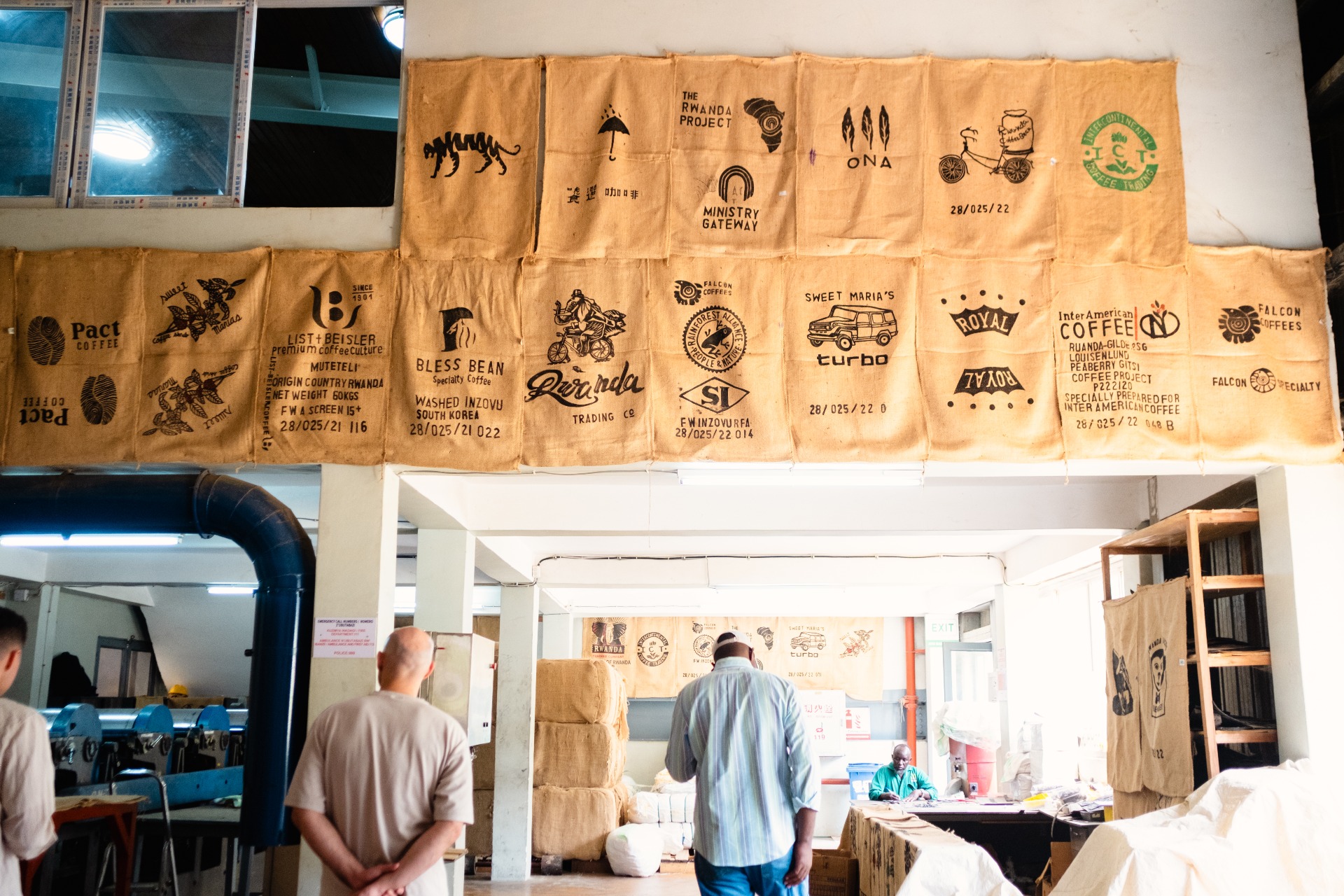 Производство кофе в стране начало развиваться только в 21-м веке, когда правительство объявило кофейную индустрию национальным приоритетом
Принципиальное отличие Руанды от многих других стран региона — высокая доля спешелти в общем объеме производства. Если до 2000-х годов в Руанде не выращивали спешелти, то в 2017 году его доля составила 58% от общего объема производства кофе, а к 2020 году приблизилась к 80%.
Природные условия и терруар
Руанда расположена на Восточно-Африканском плато и известна как «страна тысячи холмов». Рельеф здесь играет ключевую роль в формировании качества кофе.
Большая часть кофейных плантаций находится на высоте от 1200 до 2000 м над уровнем моря. Среднегодовая температура в кофейных регионах колеблется в районе 18–22 °С. Осадки распределены относительно равномерно, с двумя сезонами дождей.
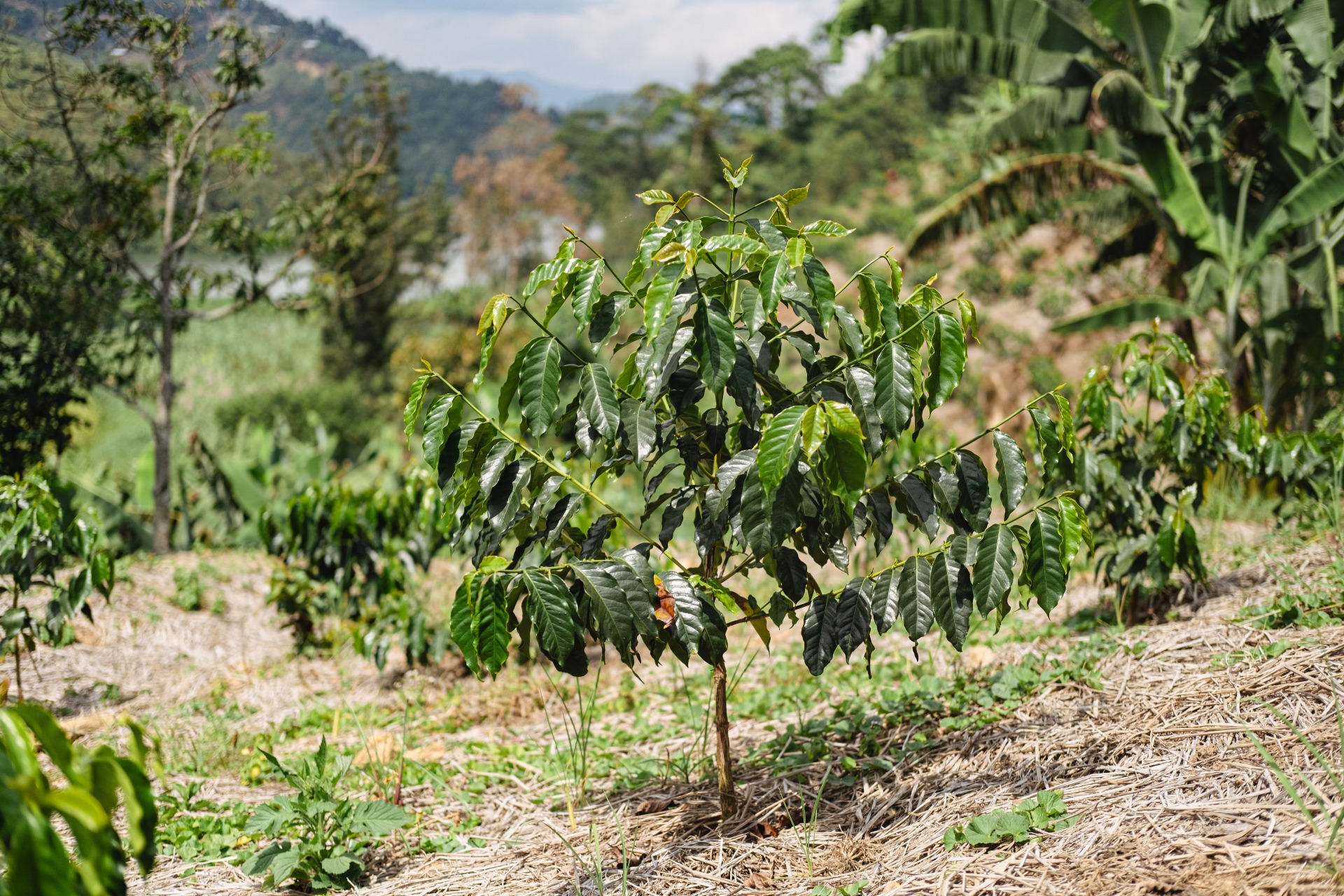 Терруар Руанды нельзя назвать простым: в одних регионах сезон дождей сопровождается оползнями, в других — периодами засухи
Почвы в большинстве регионов вулканического происхождения, с высоким содержанием азота и хорошими дренажными свойствами. В сочетании с высотой это формирует чистый, сладкий и кислотный профиль кофе.
Регионы выращивания
Кофе в Руанде произрастает преимущественно в центральной и западной части страны. Восточные регионы частично заняты национальными парками, где выращивание кофе запрещено.
К основным кофейным регионам относятся:
Вирунга — северо-запад страны, горный регион с высотами до 2000 м;
Киву — западная Руанда, район озера Киву, один из самых репутационных регионов;
Центральный рифт — холмистая часть страны с устойчивыми условиями;
Мухази — восточная часть кофейной зоны, более низкие высоты;
Акагера — юго-восток, регион с наиболее низкими высотами и более мягким профилем.
Лоты из западных и северных регионов чаще всего получают высокие оценки и представлены на международных аукционах.
Структура производства
Кофейная индустрия Руанды основана на мелком фермерстве. Средний фермер владеет участком площадью менее 1 га и выращивает около 200–300 кофейных деревьев. Урожай собирают исключительно вручную.
 Самостоятельная фермерская обработка встречается редко и обычно связана с удаленностью от инфраструктуры
Из-за малых объемов производства на уровне одного хозяйства практически весь кофе после сбора поступает на станции обработки. Такая модель делает станции обработки центральным элементом всей производственной цепочки. Именно здесь формируется качество, стиль и стабильность руандийского кофе.
Генетика и разновидности
Основная разновидность арабики в Руанде — бурбон. Он доминирует как на уровне ферм, так и на уровне экспортных лотов. Также в меньших объемах встречаются катурра, катуаи и отдельные локальные разновидности.
Однородность генетики делает вкусовой профиль руандийского кофе узнаваемым, но при этом повышает требования к обработке и терруару. Разнообразие вкуса здесь достигается не за счет разновидностей, а за счет высоты, различий микрорегионов и обработки.
Практики выращивания
Кофе в Руанде выращивают в традиционных агросистемах, чаще всего без интенсивного применения удобрений. Поэтому урожайность относительно небольшая, но это компенсируется качеством и стабильностью зерна.
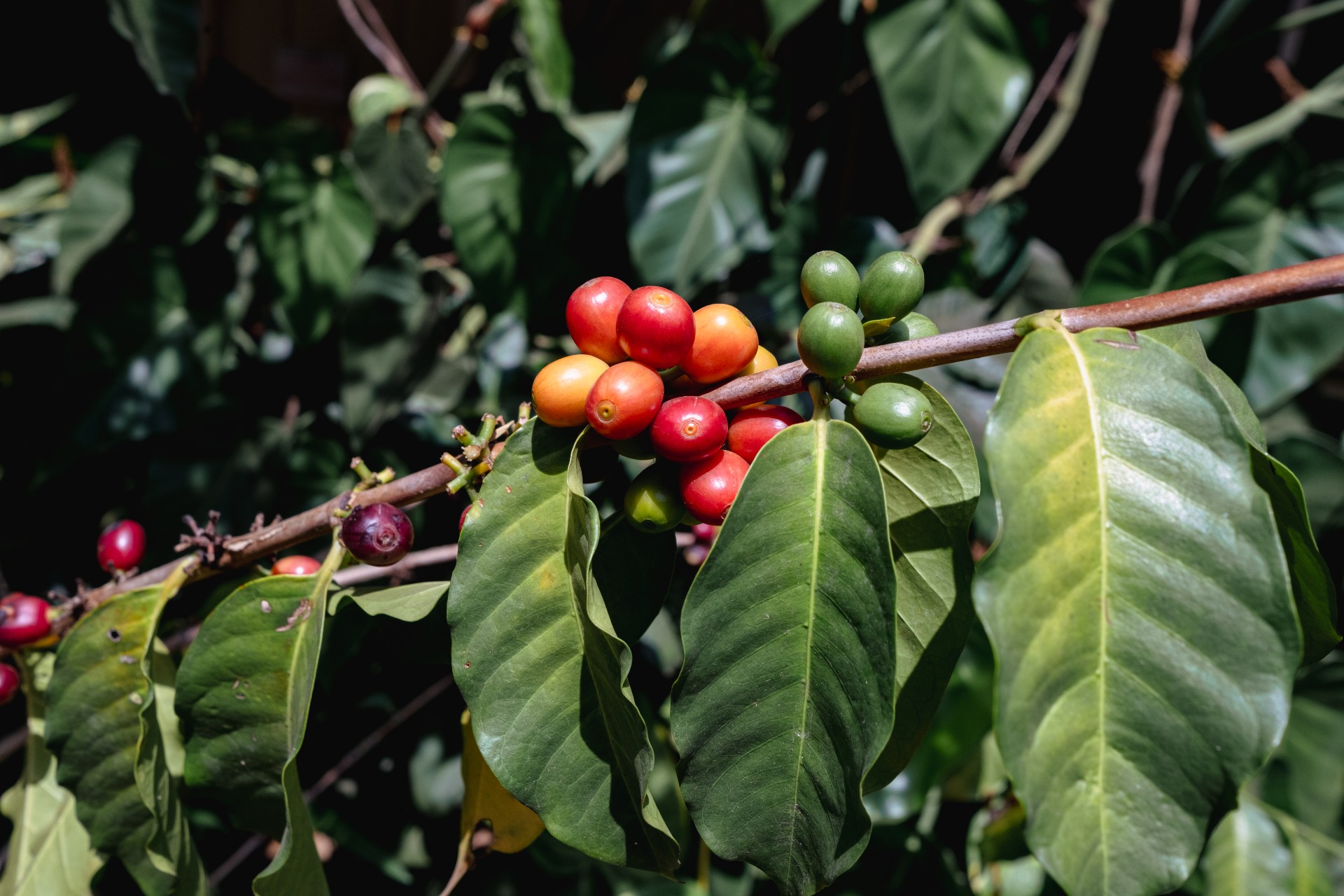 В стране уделяют особое внимание обучению фермеров, часто его организуют станции обработки и кооперативы
Отдельной проблемой остается вредитель рода Antestia, характерный именно для региона Руанды и Бурунди. Он может вызывать так называемый дефект сырого картофеля, который сложно выявить на этапе сортировки. Для борьбы с ним фермеров обучают мониторингу и используют органические средства защиты.
Сбор урожая и обработка
Сбор кофе в Руанде осуществляется вручную и строго в период зрелости ягод. Урожай обычно собирают с марта по июль.
Высокая доля спешелти в стране во многом связана именно с контролем сбора. Станции обработки принимают только спелые ягоды, а несоответствующее сырье либо не принимается вовсе, либо оплачивается по сниженной цене.
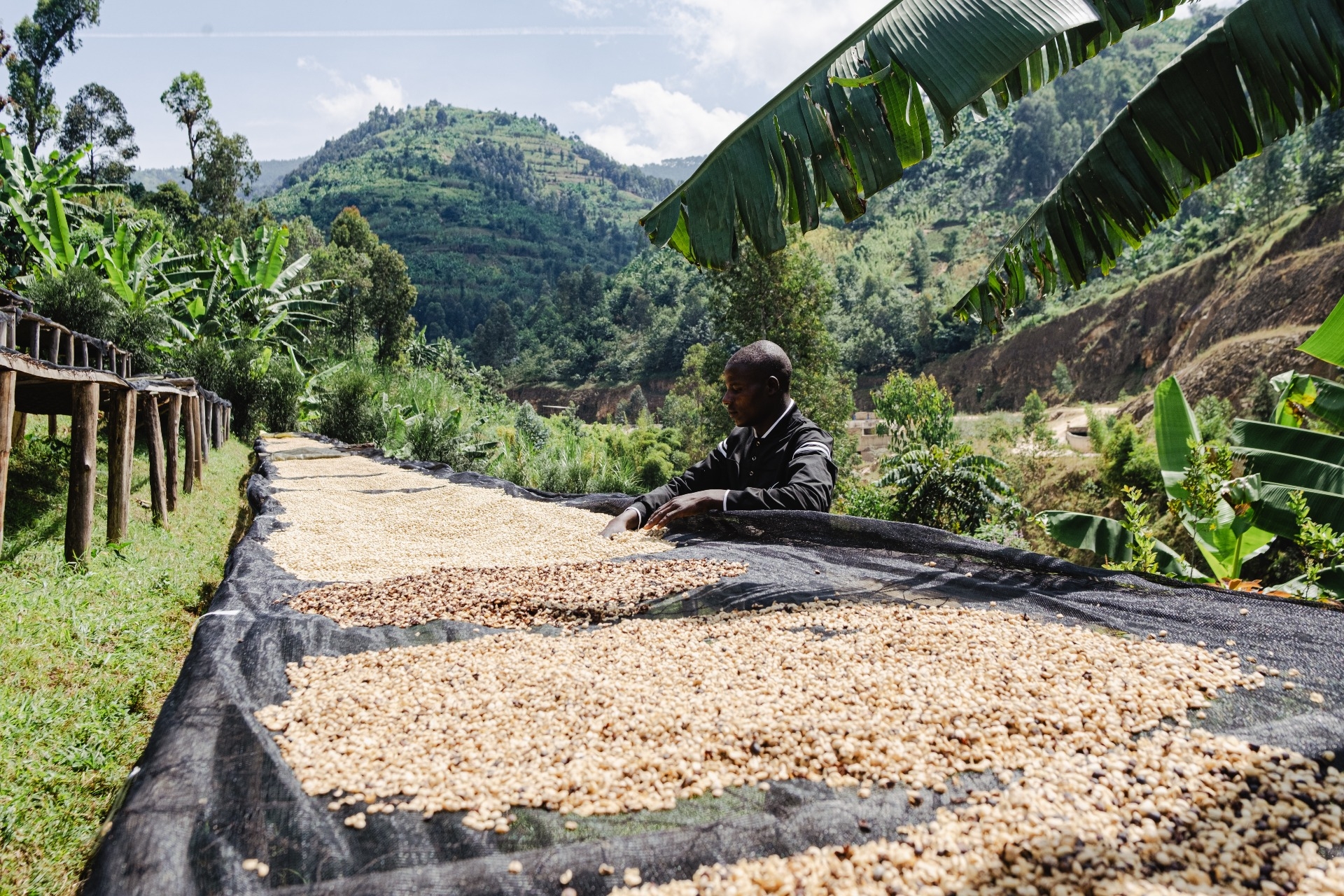
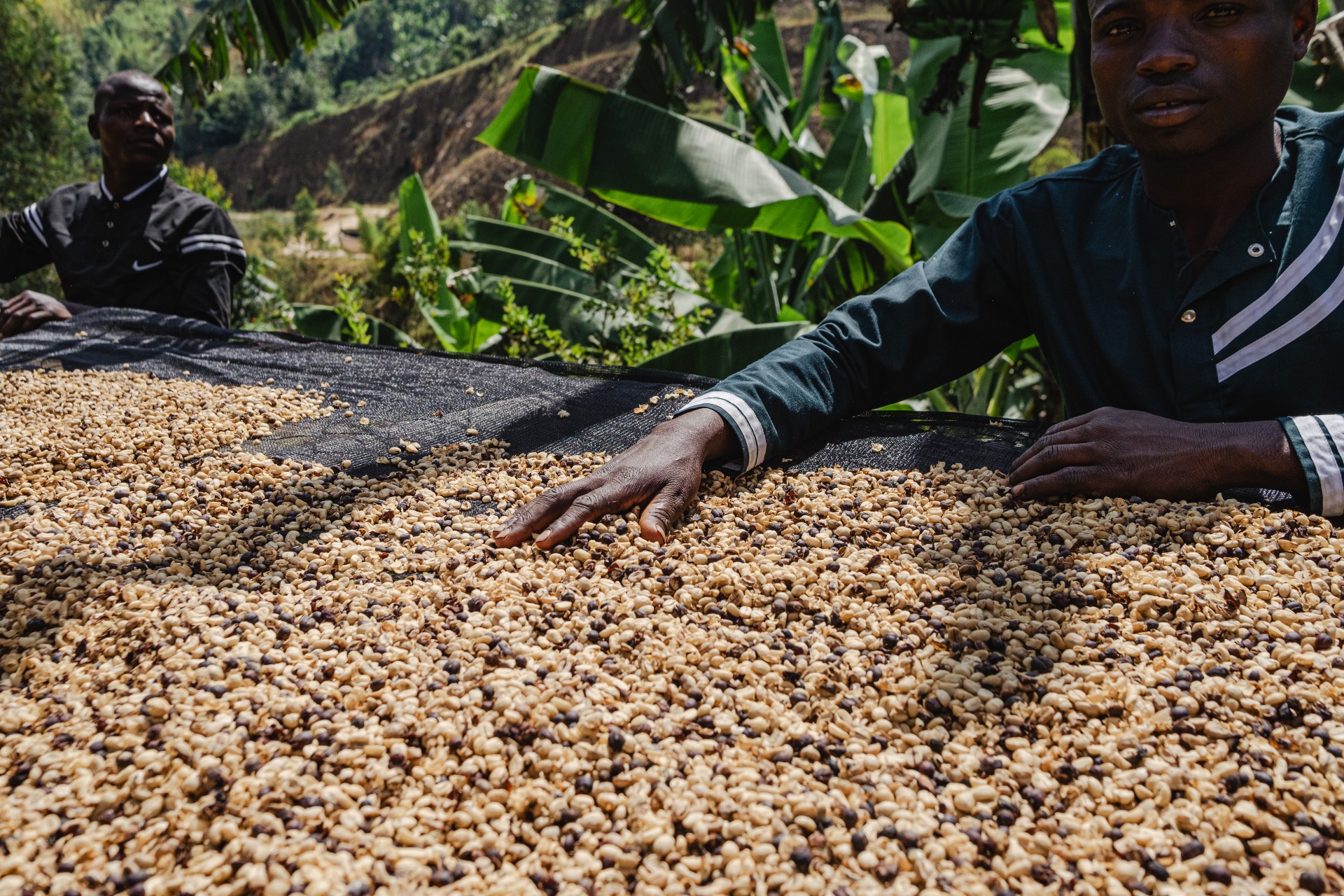
Доминирующий способ обработки в Руанде — мытый. На него приходится 75–80% всего кофе. В стране действует более 300 частных и кооперативных станций обработки. Процесс включает депульпацию, ферментацию, промывку и длительную сушку на африканских кроватях. На продвинутых станциях используются системы очистки и повторного использования воды.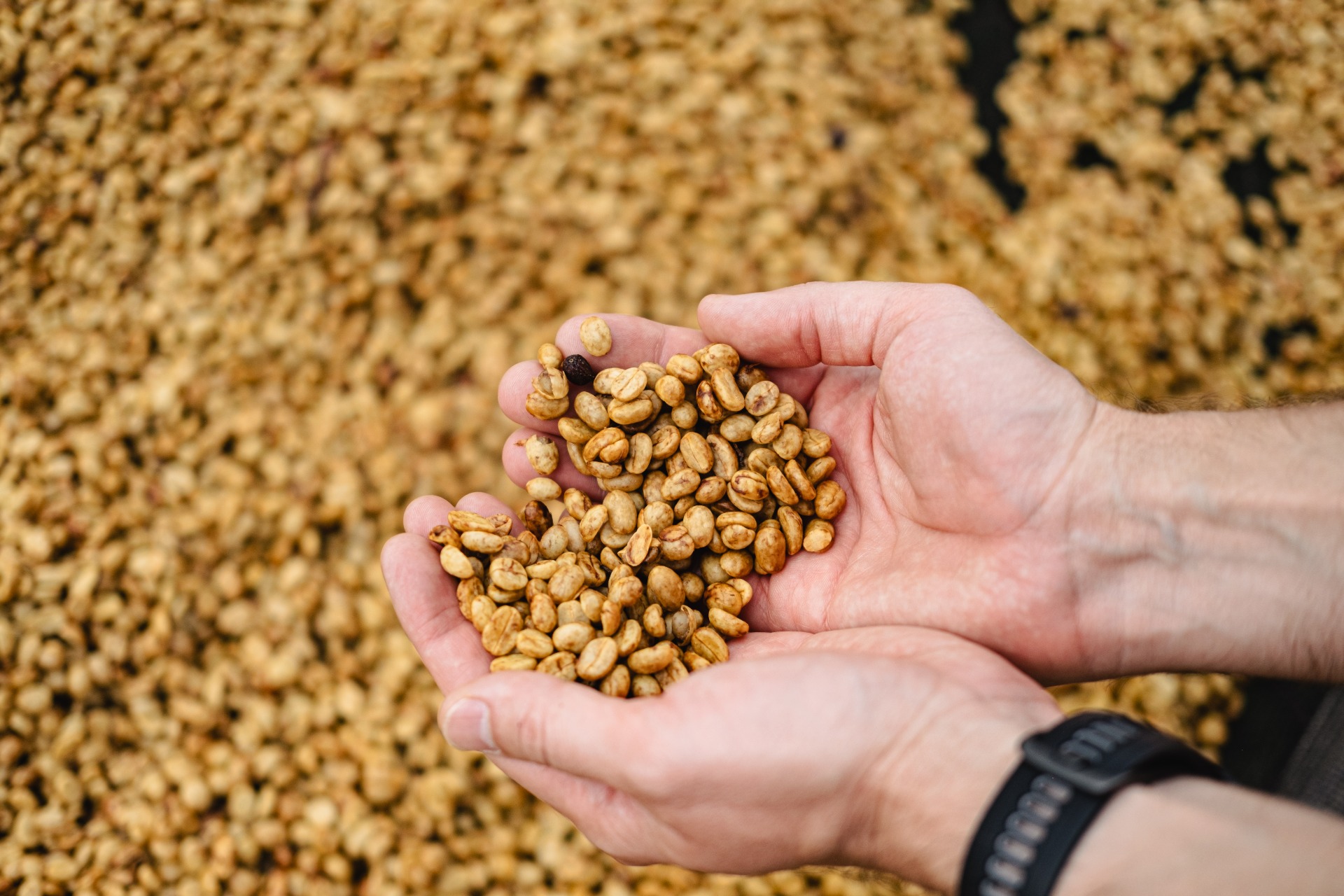 Натуральная и хани обработки занимают небольшую долю и, как правило, производятся под заказ
Именно стандартизация процессов обработки является одним из главных факторов стабильного качества руандийского кофе.
Классификация и контроль качества
Кофе в Руанде классифицируют по размеру зерна и степени очистки. Основные экспортные категории — A1 и A2, именно они формируют основу спешелти сегмента. Более низкие грейды чаще остаются внутри страны.
Контроль качества осуществляется на уровне экспортеров и государственных лабораторий. Перед отправкой на экспорт кофе проходит многоступенчатую сортировку, включая ручную, механическую и оптическую.
Государственная политика и инфраструктура
Современная кофейная индустрия Руанды во многом является результатом целенаправленной государственной политики начала 2000-х годов. После экономического кризиса и трагических событий 1990-х правительство сделало ставку на спешелти кофе как на инструмент восстановления сельского хозяйства и экономики.
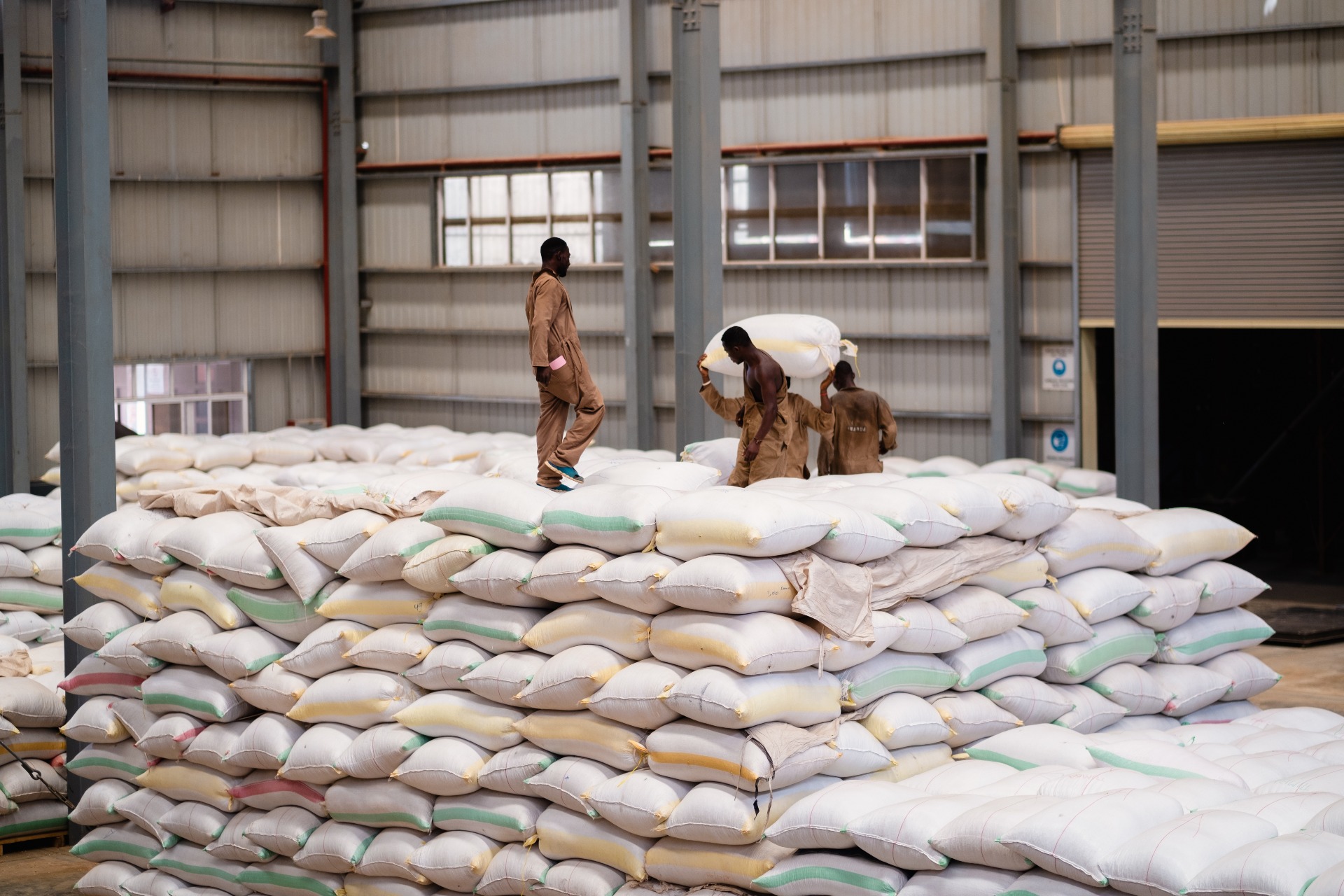 Ключевые сложности для кофейной индустрии Руанды — изменение климата, кофейные вредители и низкая привлекательность сельского труда для молодежи
В стране начали активно строить станции обработки, внедрять стандарты качества и обучать фермеров. В отличие от Бурунди, государство в Руанде не управляет отраслью напрямую, но задает жесткие рамки и контролирует соблюдение правил через профильные агентства. Именно сочетание частного бизнеса и строгого регулирования позволило Руанде сравнительно быстро выйти на международный рынок спешелти.
Экономика и экспорт
Руанда не имеет выхода к морю, поэтому весь экспортный кофе вывозят через соседние страны, в основном через Кению. Это увеличивает логистические издержки, но благодаря отлаженной инфраструктуре не является ограничением.
Основные рынки сбыта — Европа, США и Азия. Несмотря на колебания объемов производства, доходы от экспорта кофе в последние годы остаются стабильными за счет ориентации на более дорогой сегмент.
Итог
Руанда — это страна, где качество стало результатом системы, а не удачного стечения обстоятельств. Небольшие объемы, высокая доля мытой обработки и жесткие стандарты делают ее кофе надежным выбором для рынка зеленого зерна.
Для импортеров Руанда — это прежде всего стабильность, чистота вкуса и понятная логика производства. Не самая гибкая страна, но одна из самых надежных в Восточной Африке.