Как выращивают кофе в Перу
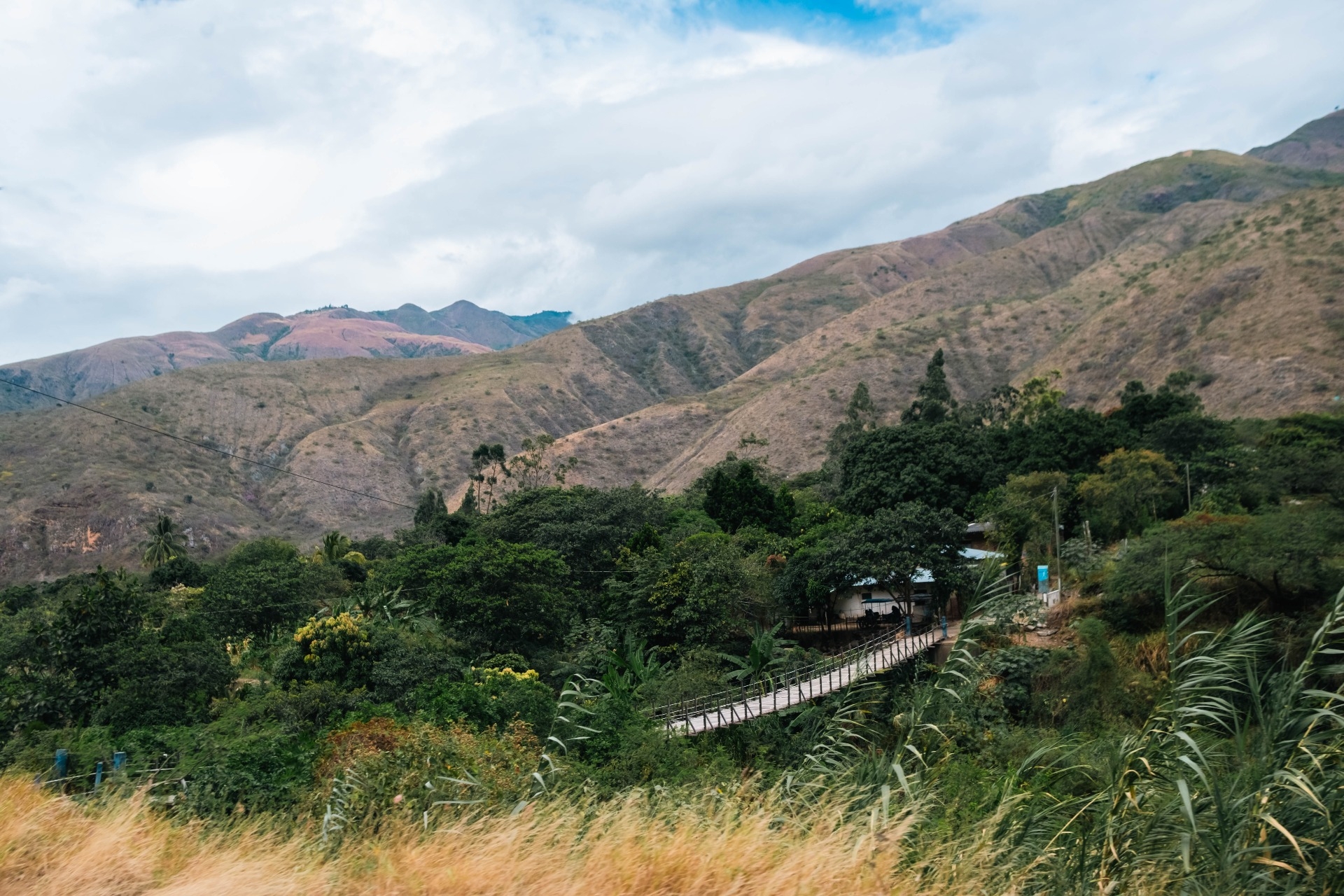
Место Перу в мировой кофейной индустрии
Перу стабильно входит в 10–12 крупнейших производителей кофе в мире и остается одним из ведущих поставщиков арабики в регионе. В последние годы объем производства колеблется в пределах 3,5–4,5 млн мешков по 60 кг. Практически весь кофе — арабика. Робуста в стране выращивается в незначительных масштабах и не играет роли в экспорте.
Страна считается крупнейшим экспортером сертифицированного органического кофе — доля перуанского зерна в мировом объеме органической арабики достигает 20–25%.
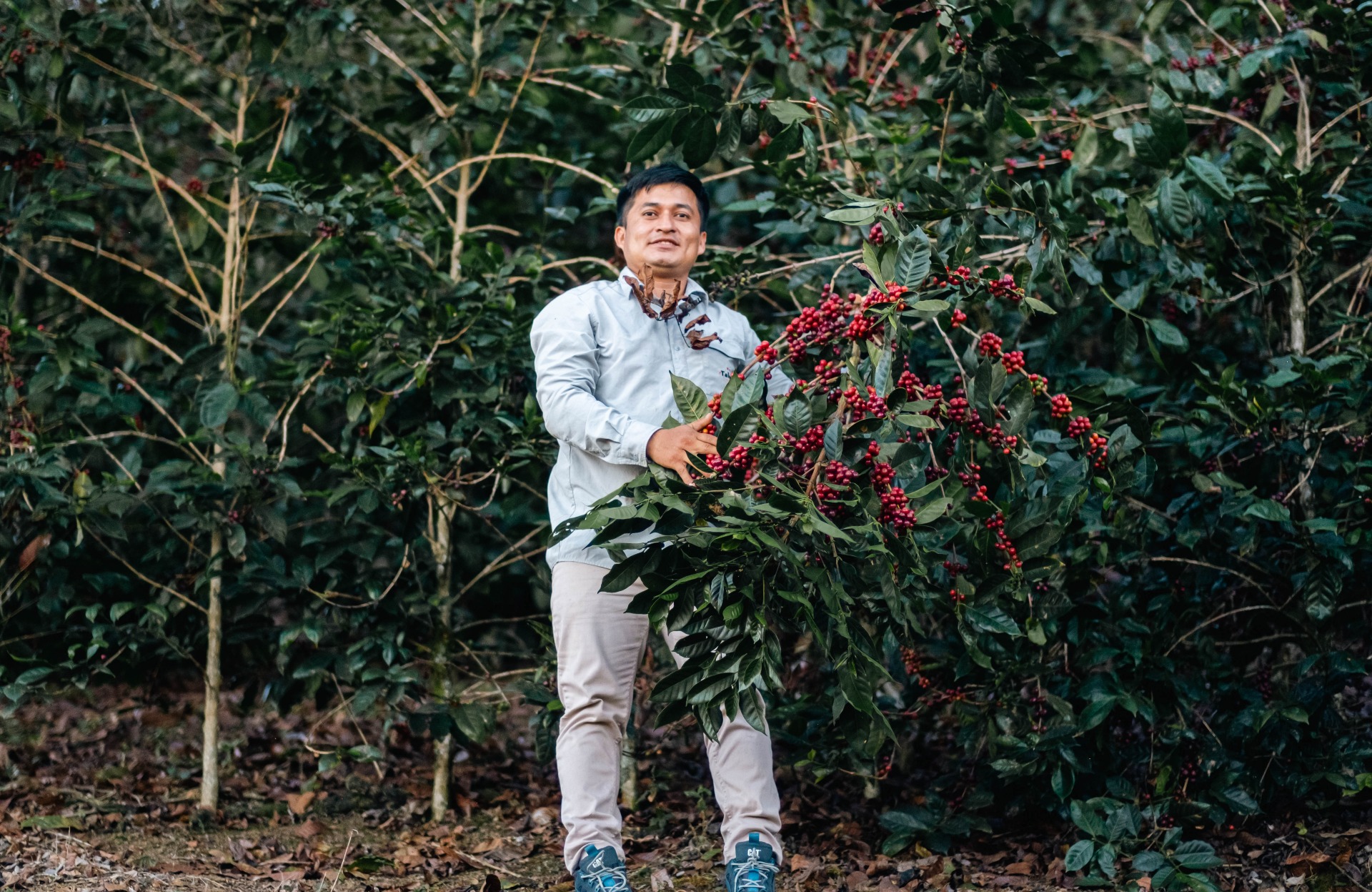 По сравнению с Колумбией перуанский кофе часто стоит дешевле из-за менее развитой инфраструктуры и меньшей узнаваемости происхождения
Органическая модель здесь не всегда была осознанной стратегией. Изначально она сложилась как следствие бедности местных фермеров, которые не могли позволить себе дорогостоящие удобрения и средства защиты растений. Со временем эта особенность превратилась в конкурентное преимущество.
Кофе остается одним из важнейших сельскохозяйственных экспортных товаров страны. По разным оценкам, в секторе занято от 100 до 150 тысяч фермерских хозяйств, а с учетом членов семей и занятых в логистике и переработке отрасль обеспечивает доход примерно для миллиона человек.
География и терруар
Кофе в Перу выращивают на восточных склонах Анд — в зоне, где горные массивы постепенно переходят в бассейн реки Амазонки. Большинство плантаций расположено на высоте 1000–1800 м над уровнем моря, а в отдельных регионах — до 2200 м. Это сложный рельеф с ограниченной инфраструктурой, но именно он формирует характер чашки. Значительный суточный перепад температур в горных районах замедляет созревание ягод. Это способствует формированию более плотного зерна с высокой концентрацией сахаров и кислот.
Кофепроизводящие зоны условно делят на север, центр и юг. На севере ключевым регионом считается Кахамарка — один из крупнейших по объему производства. На юге выделяется Куско, где высоты больше, объемы меньше, но потенциал качества часто выше среднего. Центральные регионы — Хунин и Паско — формируют значительную часть общего урожая.
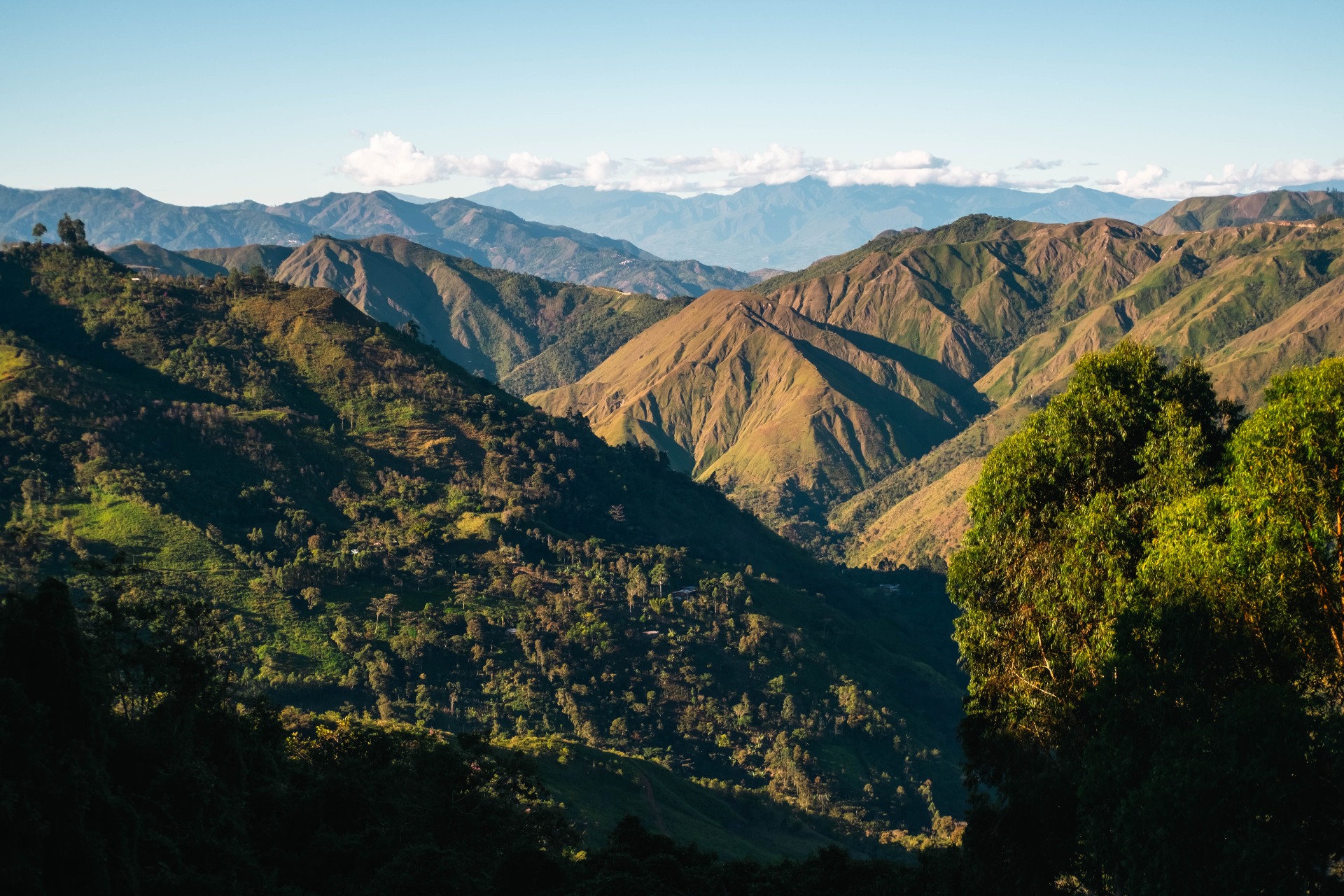 Высотный диапазон, разнообразие микроклиматов и различия в инфраструктуре создают заметную вариативность внутри страны
Перу находится южнее экватора по сравнению с Колумбией, что влияет на распределение сезонов и график сбора урожая. Основной здесь приходится на период с марта по сентябрь.
Перуанский кофе трудно свести к единому вкусовому профилю, однако чаще всего он отличается мягкой кислотностью, сладостью и чистотой чашки без экстремальных характеристик.
Структура производства
Кофейная индустрия Перу почти полностью основана на мелком фермерстве. Средний размер хозяйства составляет 1–3 га. Крупные индустриальные плантации встречаются редко.
Фермеры, как правило, самостоятельно проводят первичную обработку кофе на ферме. В отличие от стран с развитой системой станций обработки, здесь ягоды редко продаются централизованно. Это означает, что уровень качества во многом зависит от навыков конкретного производителя и его инфраструктуры.
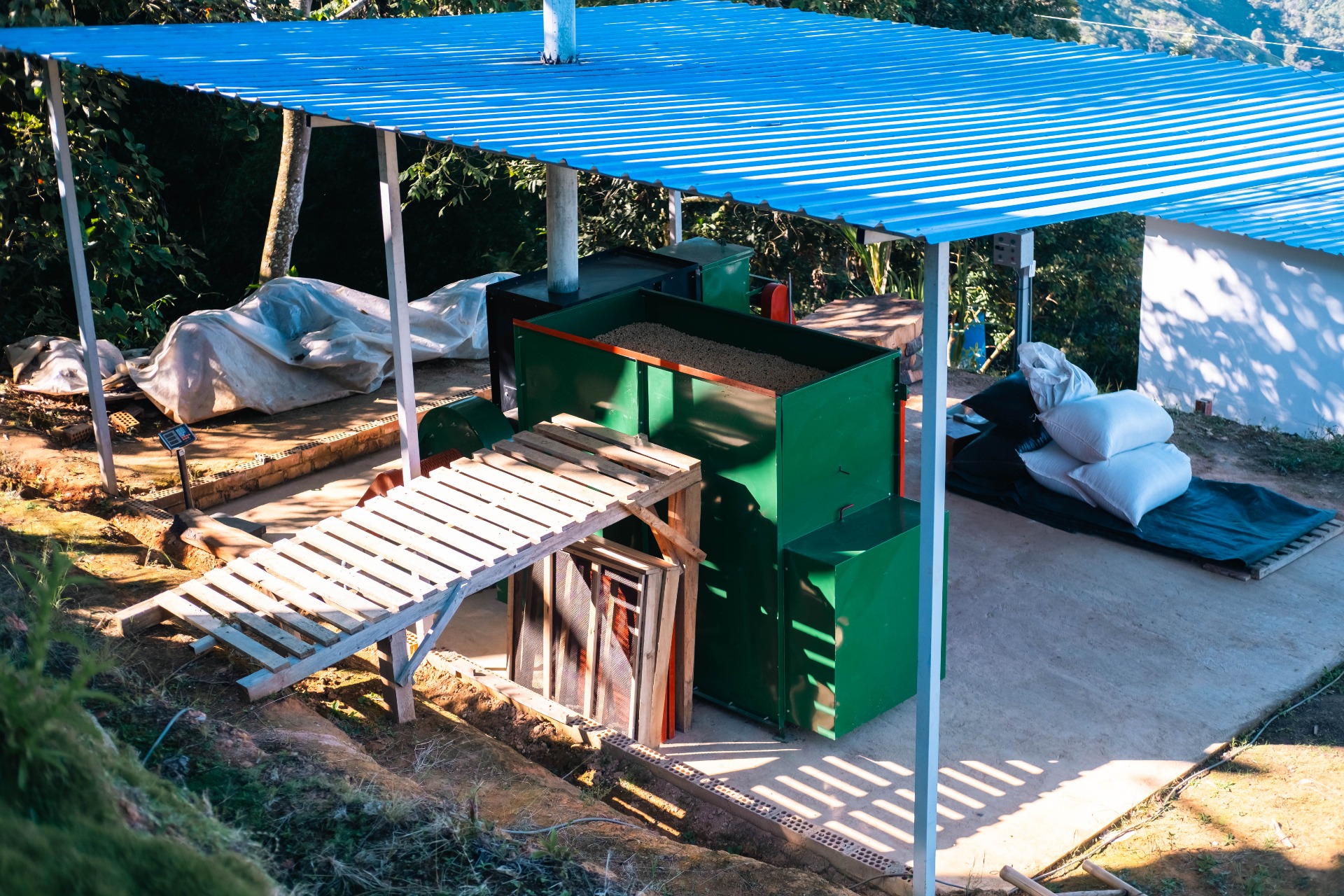 Такая модель обработки усиливает вариативность качества и требует более тщательного отбора при экспорте
Производительность хозяйств невысокая — часто это несколько десятков мешков в год с фермы. Низкая урожайность связана как с высотами и традиционными агросистемами, так и с ограниченными инвестициями в обновление деревьев. После эпидемии кофейной ржавчины в 2013–2015 годах производство в стране сократилось примерно на 40%. Многие фермеры были вынуждены вырубать зараженные деревья и высаживать новые.
Генетика и разновидности
Перу — одна из стран, где до сих пор широко распространены традиционные разновидности арабики. Около 60–70% посадок приходится на типику, около 20% — на катурру, остальное — бурбон, паче, катуаи и другие разновидности.
После вспышек ржавчины часть производителей перешла на более устойчивые гибриды, например катимор. Однако они уступают традиционным разновидностям по вкусовому потенциалу, поэтому в последние годы часть производителей возвращается к типике и бурбону, ориентируясь на более качественный сегмент рынка.
Обработка
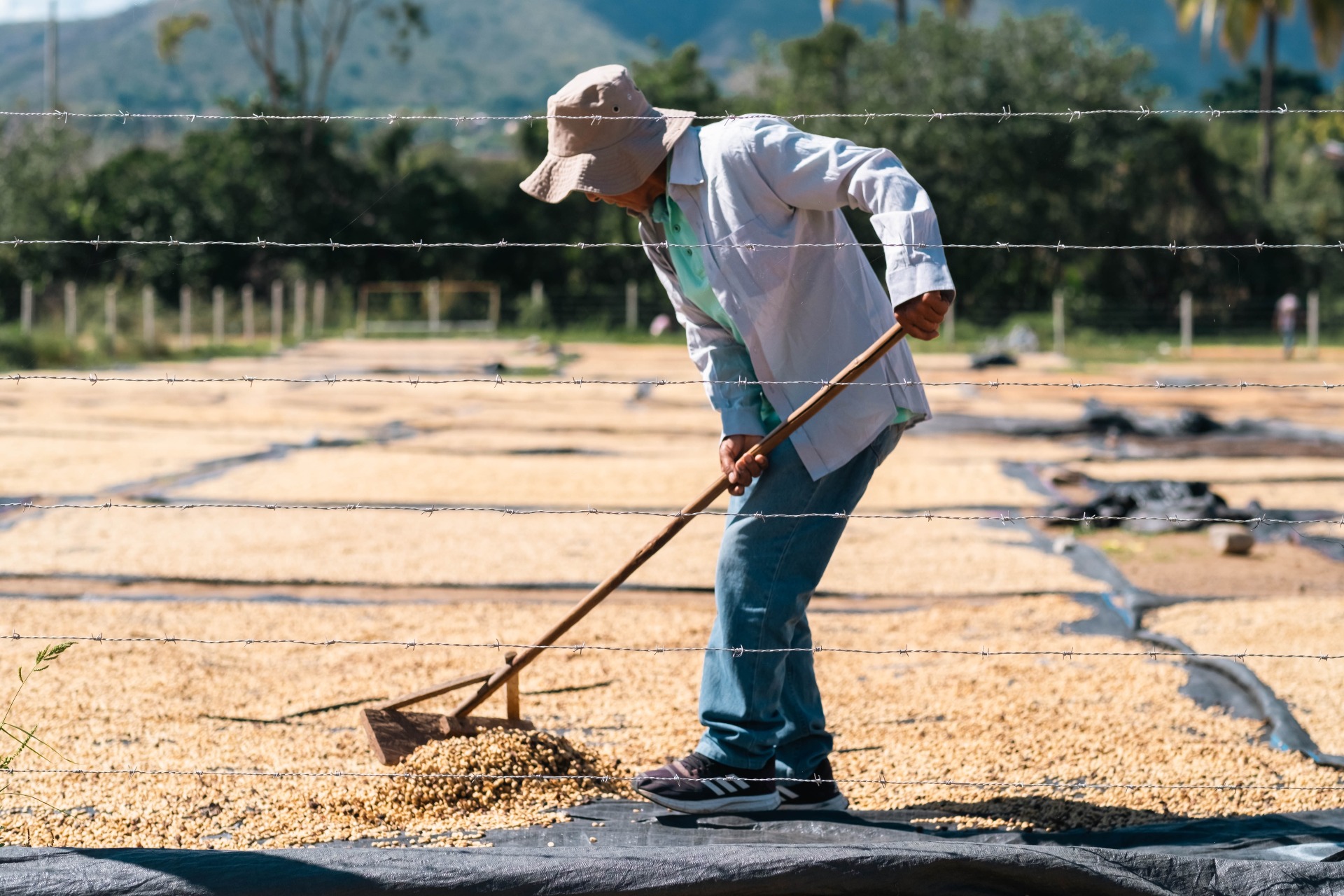
Большая часть перуанского кофе обрабатывается мытым способом. После ручного сбора фермеры депульпируют ягоды, ферментируют их 12–24 ч, затем промывают и сушат — чаще всего на патио или под навесами.
 Особенность работы местных фермеров состоит в том, что большинство из них не продают зерно на станции обработки, а сами проводят ее
Из-за влажного климата и ограниченной инфраструктуры натуральная и фанки обработки встречаются редко. Для мелких хозяйств такие методы связаны с повышенным риском дефектов и потерей урожая.
В последние годы отдельные фермы и кооперативы экспериментируют с анаэробной ферментацией и контролируемой сушкой, но в масштабах страны это остается нишевым сегментом.
Экономика и экспорт
Экспортная модель Перу во многом строится вокруг кооперативов. Именно они помогают мелким фермерам получать органическую и Fairtrade сертификацию и выходить на международный рынок. Основные рынки сбыта — США и страны Европы.
Высокая доля органического кофе одновременно является и ограничением. Такая модель требует дополнительных затрат на аудит и контроль, а также ограничивает использование фунгицидов и удобрений. Это снижает урожайность и делает производство более уязвимым к болезням и климатическим стрессам.
 В результате производство кофе в Перу растет медленно, а конкурентоспособность страны строится скорее на стабильности и сертификации, чем на масштабе
В стране нет централизованной национальной системы грейдинга. Сортировка осуществляется на уровне кооперативов и экспортеров по международным стандартам дефектности и размеру зерна.
Инфраструктура в горных регионах остается слабой. Дороги часто узкие и труднодоступные, что увеличивает стоимость логистики и усложняет вывоз урожая.
Итог
Перу — это страна горного мелкого фермерства, где качество формируется не индустриальным масштабом, а сочетанием высоты, традиционных разновидностей и ручной обработки.
Страна не предлагает экстремально яркие профили, но обеспечивает стабильный поток мягкой, чистой арабики и остается ключевым поставщиком органического кофе. Для рынка зеленого зерна республика важна как источник предсказуемого качества в среднем ценовом сегменте и как платформа для микролотов из высокогорных регионов.