Как выращивают кофе в Коста-Рике
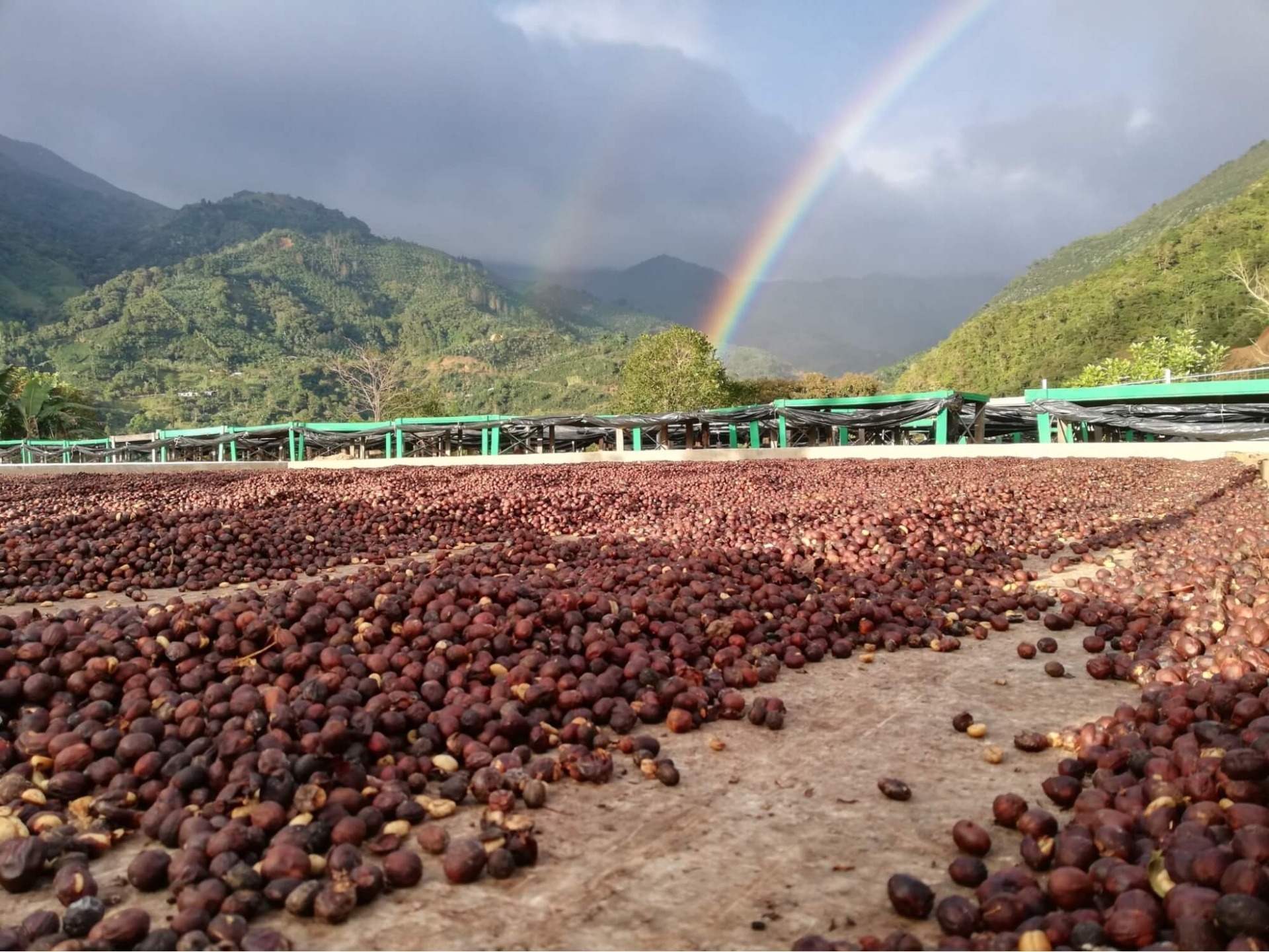
Место Коста-Рики в мировой кофейной индустрии
Коста-Рика не относится к крупным производителям. По объему страна находится во второй десятке мирового рейтинга: в последние годы производство колеблется в пределах 1,2–1,5 млн мешков по 60 кг. Почти весь объем — арабика.
Сектор регулируется национальным институтом кофе ICAFE, созданным в 1933 году. Организация координирует исследования, агрономическую поддержку и контролирует отрасль на государственном уровне. Такая модель делает систему более централизованной по сравнению с рядом других стран региона, что упрощает контроль качества и обеспечивает единые стандарты для экспорта.
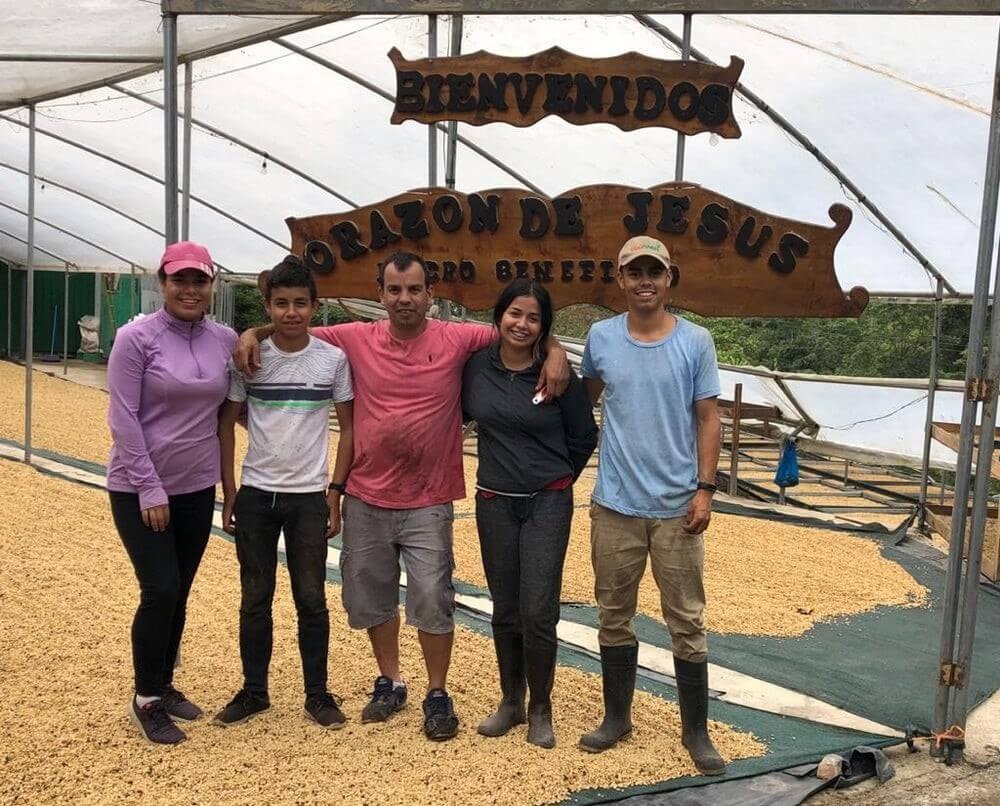 Коста-Рика одной из первых в регионе сделала ставку на микролоты и дифференциацию по способам обработки, что укрепило ее позиции в премиальном сегменте
Небольшие объемы производства в стране сочетаются с высокой долей спешелти кофе. Коста-Рика исторически делает ставку не на масштаб, а на качество обработки, региональную дифференциацию и технологическое развитие станций.
География и терруар
Коста-Рика расположена между Тихим океаном и Карибским морем. Горный рельеф и вулканические почвы создают благоприятные условия для выращивания арабики.
Кофе растет преимущественно на высотах от 800 до 1700 метров. В стране выделяют шесть основных кофейных регионов:
Тарразу,
Западная долина,
Трес Риос,
Ороси,
Брунка,
Турриальба.
Высоты, перепады дневных и ночных температур и плодородные вулканические почвы способствуют медленному созреванию ягод и формированию плотного зерна. Именно горные регионы дают большую часть спешелти кофе.
Структура производства
В стране около 50 000 фермеров, и примерно 90% из них — мелкие производители с участками до 5 га. Общая площадь кофейных плантаций составляет около 84 000 га.
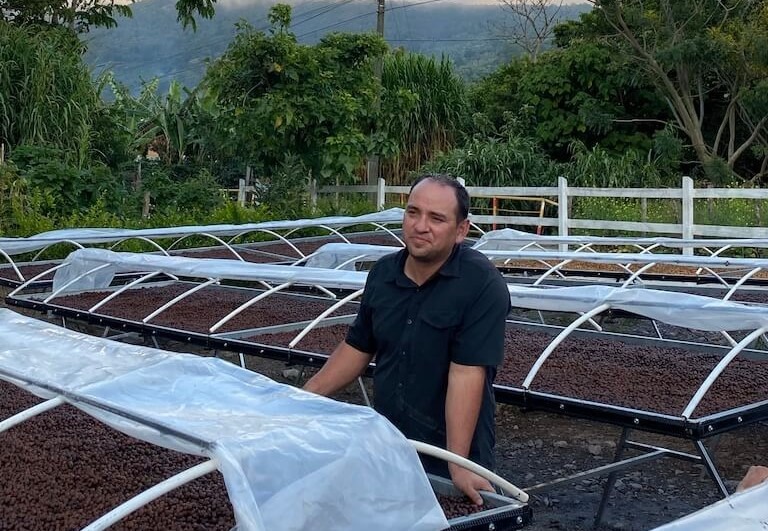 Кофе остается важной частью сельской экономики, но хозяйства в основном семейные и относительно небольшие
Сбор урожая длится с декабря по июль в зависимости от региона. Ягоды собирают вручную, поскольку горный рельеф не позволяет механизировать процесс. Это увеличивает затраты на труд и делает себестоимость выше, чем в странах с более равнинным рельефом.
Традиционно мелкие фермеры продавали ягоды кооперативам или на крупные станции обработки — beneficios. Именно последние формировали экспортные партии, контролировали первичную обработку и сушку.
С начала 2000-х годов в стране активно развивается модель микромиллов — небольших частных станций обработки, принадлежащих самим фермерам или семьям производителей. Микромиллы позволяют контролировать переработку на уровне хозяйства, экспериментировать с методами и продавать кофе как отдельные микролоты. Эта модель стала одним из факторов роста спешелти сегмента в Коста-Рике и усилила роль фермера в формировании конечного профиля чашки.
Высокий уровень жизни в стране напрямую влияет на отрасль. Стоимость труда здесь выше, чем в большинстве кофепроизводящих стран региона, поэтому в сезон активно привлекаются сборщики из Никарагуа и других соседних стран. Даже при этом затраты на сбор остаются значительными, и высокая себестоимость остается одним из ключевых ограничений роста отрасли.
Генетика и разновидности
Исторически в Коста-Рике выращивали типику и бурбон. Со временем их постепенно заменили более продуктивные разновидности — прежде всего катурра и катуаи. Сегодня они составляют основную часть посадок.
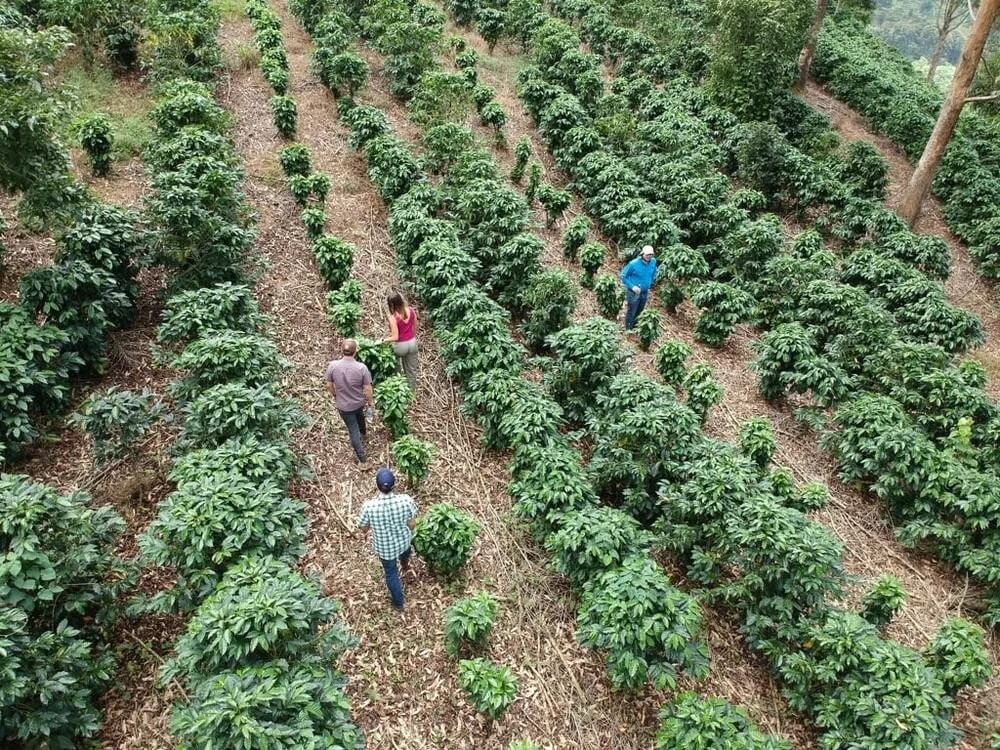 Также распространены вилла сарчи, бурбон и локальные селекции, адаптированные к разным высотам и микроклиматам
Коста-Рика активно работает с генетикой: исследовательские программы ICAFE направлены на подбор разновидностей, устойчивых к болезням и климатическим стрессам без потери качества чашки. В последние годы часть производителей экспериментирует с более редкими разновидностями и гибридами F1, однако их доля пока остается ограниченной.
Выращивание робусты в стране долгое время было запрещено, чтобы сохранить специализацию на арабике. В 2018 году ограничения были частично сняты для низменных регионов, однако робуста не играет заметной роли в структуре экспорта и не влияет на позиционирование страны как производителя высокогорной арабики.
Обработка
Коста-Рика считается одной из самых технологичных стран Центральной Америки с точки зрения обработки. Ключевую роль в системе играют beneficios — станции обработки, которые работают как самостоятельные производственные центры и часто принадлежат кооперативам или частным компаниям.
Исторически в стране доминировала классическая мытая обработка. Однако в 1990–2000-х годах ужесточение экологических норм заставило станции сократить использование воды. В результате многие перешли на механическое удаление мякоти с помощью демусиляторов. Формально его относят к мытому методу, хотя технологически он ближе к полумытой схеме.
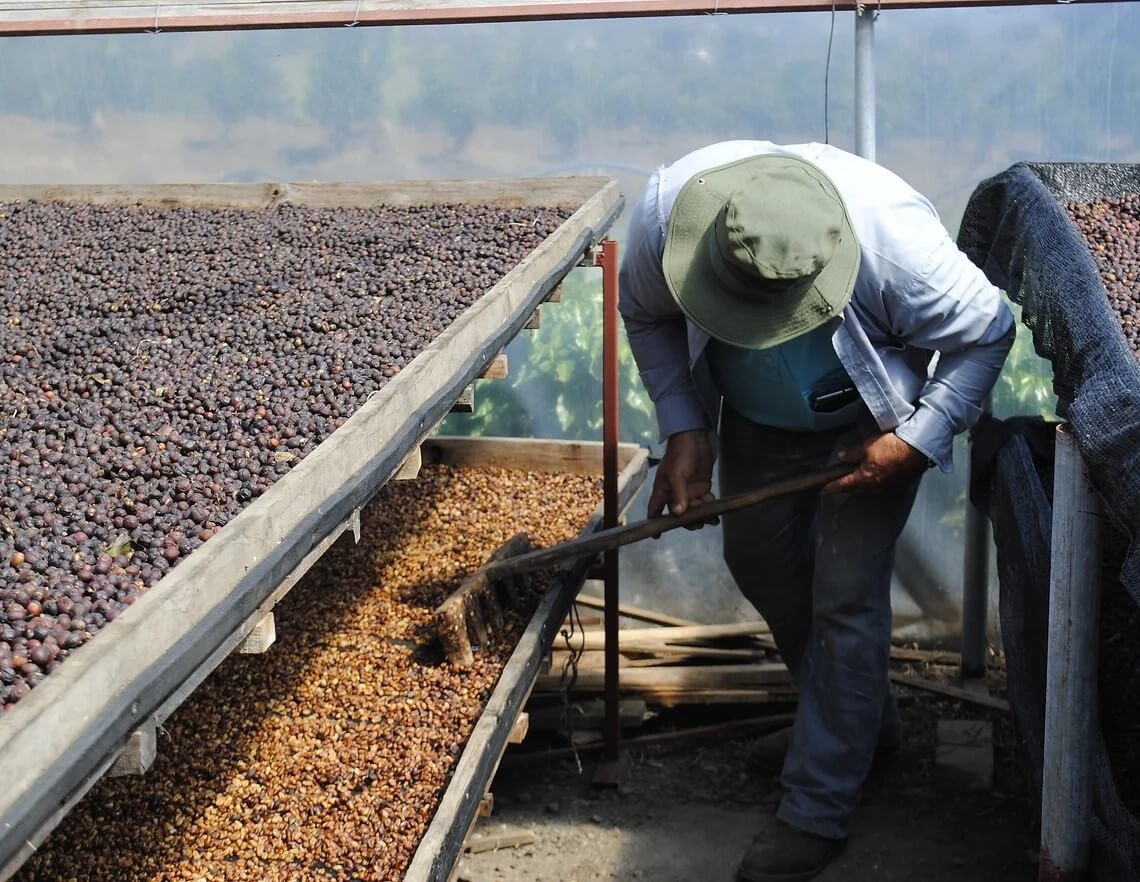 Такой способ уменьшает объем ферментационной воды и сокращает время обработки
Параллельно страна стала одним из центров популяризации метода хани. В Коста-Рике его систематизировали и разделили на несколько уровней в зависимости от количества оставшейся мякоти — yellow, red, black honey. Это позволило контролировать сладость, текстуру и тело чашки без полной ферментации. Для многих станций хани стал способом дифференциации и добавленной стоимости.
Натуральная обработка применяется реже и чаще используется для микролотов. Высокая влажность в ряде регионов увеличивает риски дефектов при сушке, поэтому массовой моделью она не стала.
Таким образом, Коста-Рика отличается не столько разнообразием методов, сколько их технологической стандартизацией и контролем на уровне станций обработки.
Экономика и экспорт
Экспорт составляет основную часть производства — около 90% урожая. США остаются крупнейшим рынком сбыта.
При экспорте используют высотную классификацию: MHB (500–900 м), GHB (1000–1200 м) и SHG (выше 1200 м). Дополнительно лоты сортируются по дефектам в рамках систем EP и USP на драй-миллах. Однако в спешелти сегменте большее значение имеют регион и способ обработки, чем формальная высотная категория.
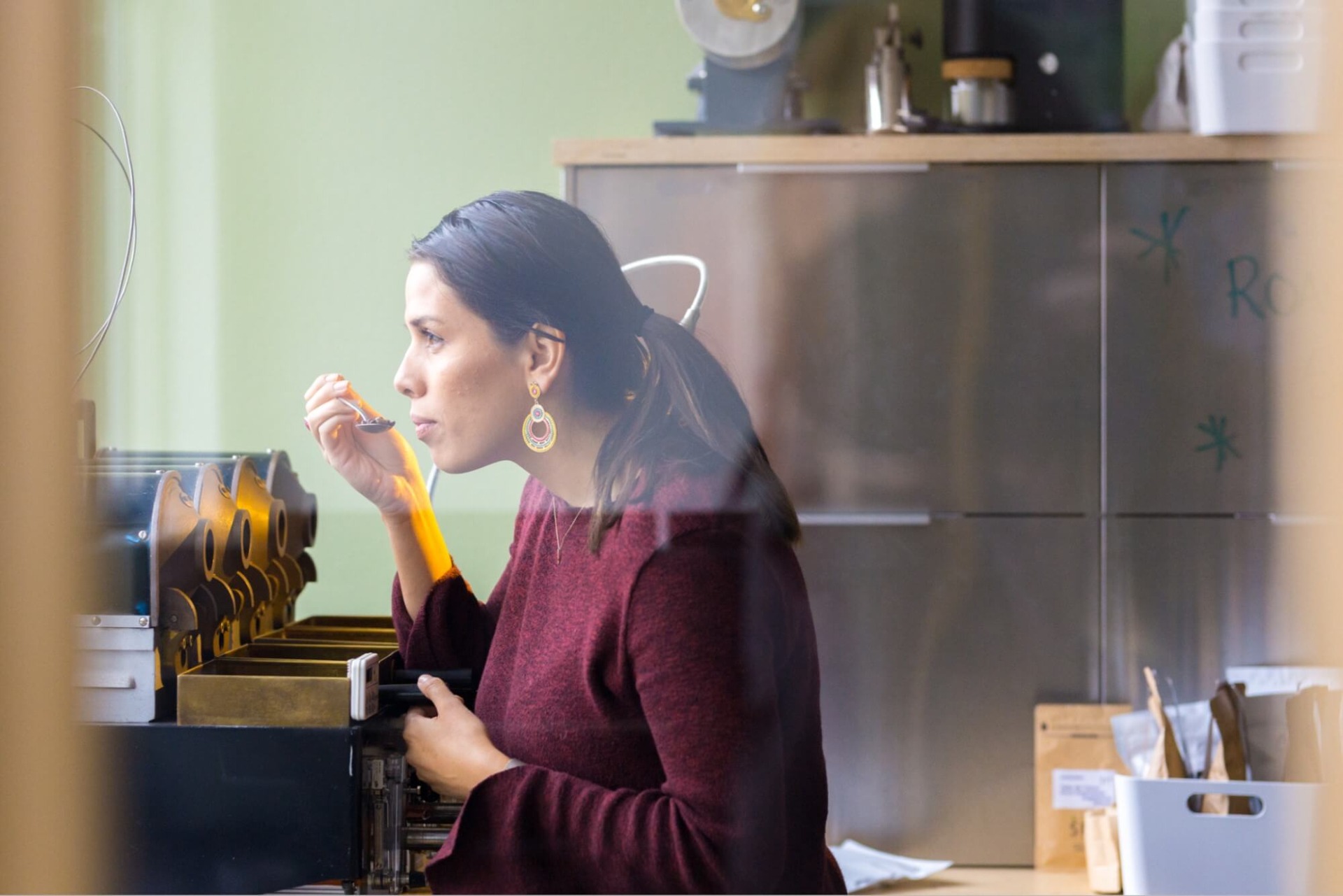 Коста-Рика делает ставку не на масштаб, а на качество подготовки лотов и технологичность обработки
Коста-Рика — одна из самых дорогих стран региона с точки зрения производства кофе. Высокие зарплаты, экологические требования и развитая инфраструктура повышают себестоимость зеленого зерна. Это ограничивает возможность конкурировать по цене и делает отрасль чувствительной к падению биржевых котировок.
Итог
Коста-Рика — производитель высокогорной арабики с развитой системой обработки и строгим отраслевым регулированием. Небольшие объемы и высокая себестоимость формируют модель, в которой страна конкурирует не масштабом, а качеством подготовки лотов и разнообразием обработок.