Как выращивают кофе в Колумбии
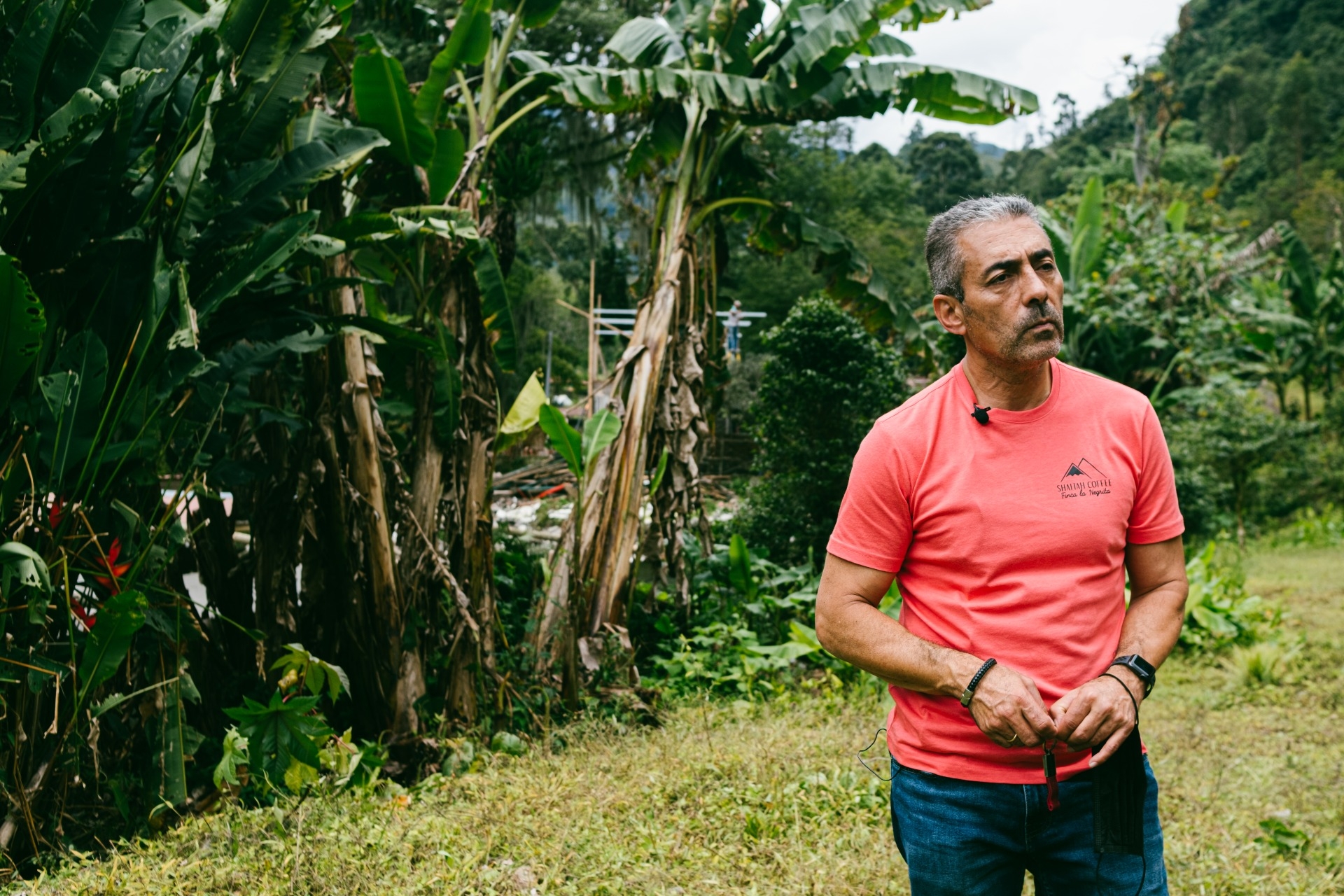
Место Колумбии в мировой кофейной индустрии
Колумбия стабильно входит в тройку крупнейших производителей арабики в мире. Ежегодный объем производства колеблется в пределах 11–13 млн мешков по 60 кг, и практически весь этот кофе — арабика.
Колумбия играет особую роль в международной торговле: это один из крупнейших и наиболее стабильных поставщиков высокогорной мытой арабики. В отличие от стран, где экспорт строится на смешанных или коммерческих партиях, колумбийский кофе десятилетиями формировал стандарт чистой, сбалансированной чашки. Именно через Колумбию в середине 20-го века в мировом рынке закрепилось представление о «классическом» профиле арабики.
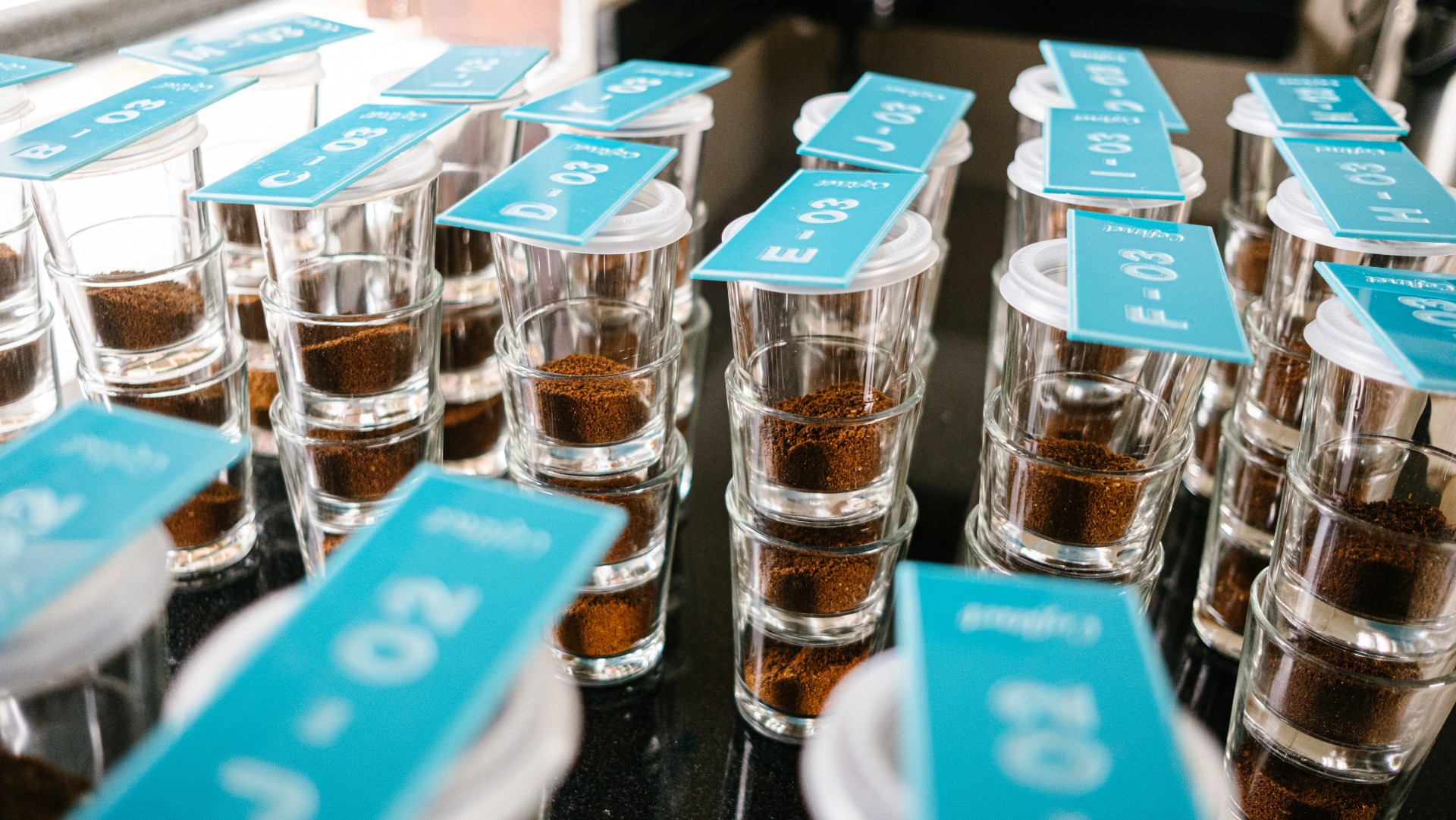 Основные рынки сбыта колумбийского кофе — США, Европа и Япония
Колумбия — это не просто крупный производитель по объему. Это страна, чье значение определяется сочетанием масштаба, стабильности поставок и узнаваемого вкусового профиля, который многие рынки воспринимают как ориентир для мытой арабики.
География и терруар
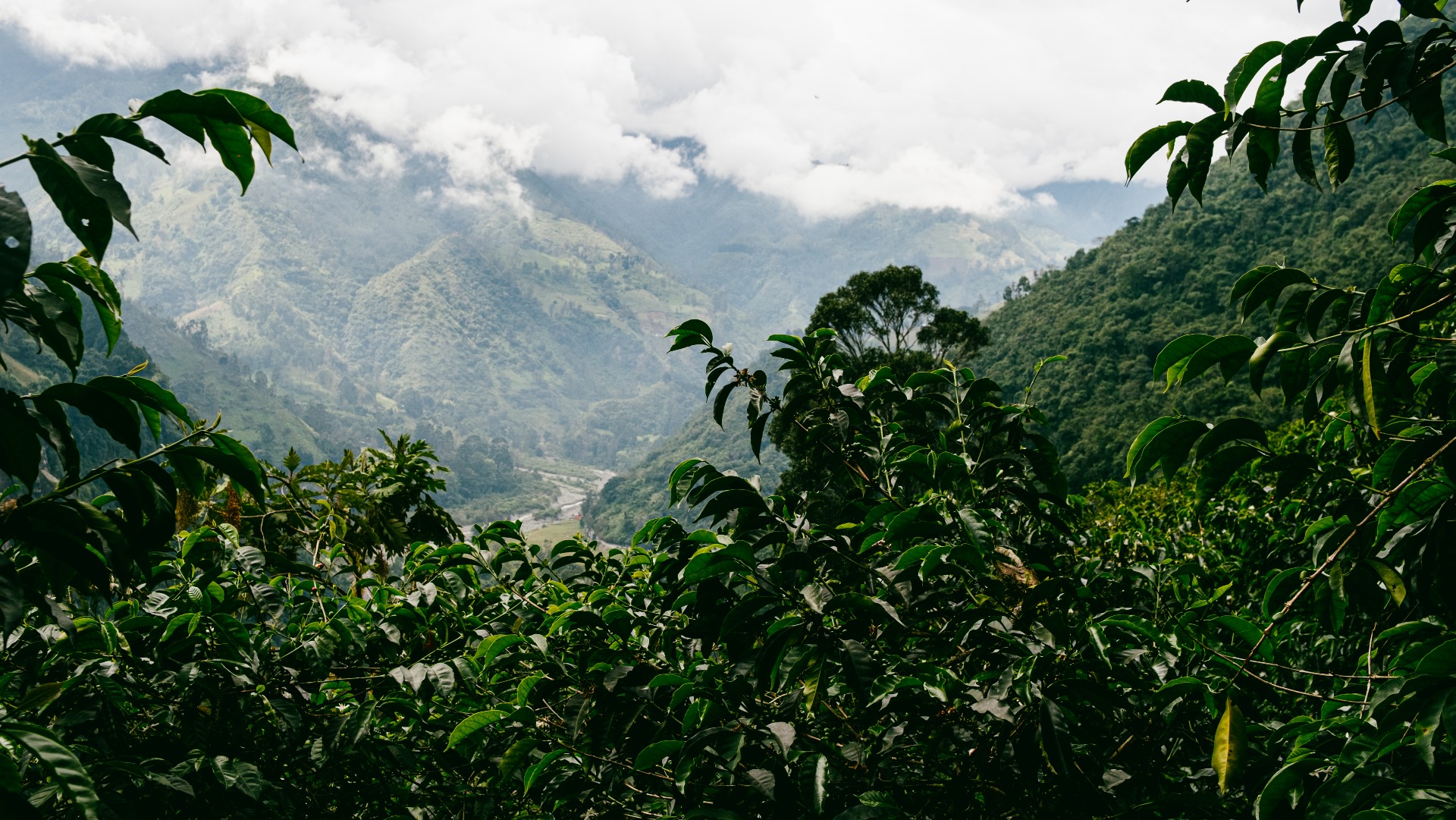
Колумбия расположена на экваторе, и территорию страны пересекают три хребта Анд. Кофейные фермы находятся на высотах в среднем от 1200 до 2200 м над уровнем моря. Горный рельеф, перепады высот и разные экспозиции склонов создают выраженную вариативность внутри страны.
Большие высоты и разница между дневной и ночной температурой замедляют созревание ягод, что способствует накоплению сахаров и формированию более плотной структуры зерна. Именно поэтому высокогорные регионы страны часто дают яркую кислотность и чистую, структурированную чашку.
Благодаря экваториальному положению в стране нет выраженной смены времен года. С этим связана еще одна особенность Колумбии — наличие двух урожаев в год: основного (main crop) и митаки (fly crop). Митака обычно дает меньший объем, и традиционно считается, что ее качество немного ниже. Однако в последние годы доля митаки увеличивается, особенно в южных регионах. Эта система позволяет Колумбии практически круглый год присутствовать на рынке свежего урожая.
 Из-за нестабильного распределения осадков на одном дереве часто одновременно присутствуют цветы и ягоды разной степени зрелости
Кофейную карту страны условно делят на четыре зоны:
Центральная зона (Антиокия, Кальдас, Киндио, Рисаральда, Толима) — историческое ядро производства.
Северная зона (Сантандер и др.) — более низкие высоты, более мягкая кислотность.
Южная зона (Уила, Каука, Нариньо) — высокогорный кофе с яркой кислотностью и сложным профилем.
Восточная зона — меньшие объемы, развивающиеся регионы.
Южные регионы в последние годы усилили свою роль. Например, Уила сегодня является одним из лидеров по объему и качеству производства.
Структура производства
Колумбия — страна мелкого фермерства. Около 95% производителей владеют участками менее 5 га. Горный рельеф не позволяет механизировать сбор, поэтому почти весь кофе собирают вручную. Сбор урожая проводят выборочно: ягоды снимают по мере созревания, часто в несколько проходов.
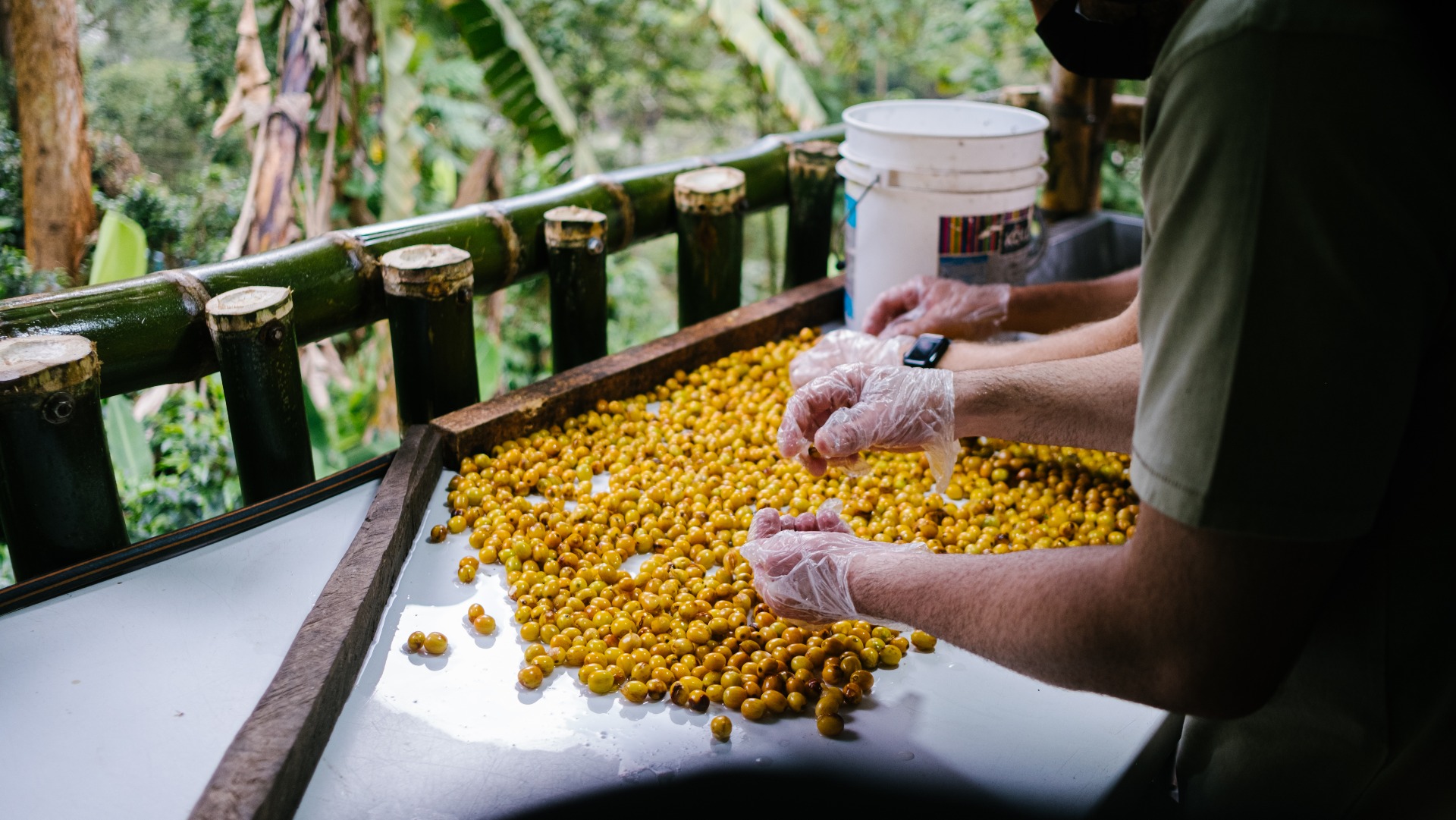 Ручной выборочный сбор повышает однородность партии, но увеличивает затраты на труд
Первичную обработку фермеры обычно проводят самостоятельно. Перевозить свежие ягоды сложно — они тяжелые и быстро начинают ферментироваться. Поэтому чаще всего с фермы вывозят уже высушенный пачмент. Дальше его принимают кооперативы или частные экспортеры, которые проводят лабораторную оценку, сортировку и формируют экспортные лоты.
Такая система делает качество зависимым от дисциплины на уровне фермы, но при этом позволяет сохранить прослеживаемость и разделять партии по региону и профилю.
Генетика и разновидности
Исторически в Колумбии выращивали типику и бурбон, позже широко распространилась катурра. После вспышек кофейной ржавчины исследовательский центр Cenicafé вывел устойчивые разновидности, прежде всего кастильо и колумбию. Сегодня кастильо занимает значительную часть посадок благодаря устойчивости к болезням и стабильной урожайности.
Благодаря работе исследовательского центра Cenicafé Колумбия стала одной из первых стран, системно внедривших устойчивые к ржавчине разновидности на национальном уровне.
Параллельно развивается направление редких разновидностей. В южных регионах можно выращивают ахи, папайо, омблигон и другие линии, часть которых имеет эфиопские корни. Эти разновидности чаще встречаются в микролотах и ориентированы на рынок уникального кофе, где производители стремятся компенсировать ограниченный объем более высокой добавленной стоимостью.
Обработка
Колумбия — мировой лидер по производству мытой арабики. Высокая влажность и частые дожди делают натуральную обработку рискованной: сушка в ягоде занимает больше времени и повышает вероятность дефектов.
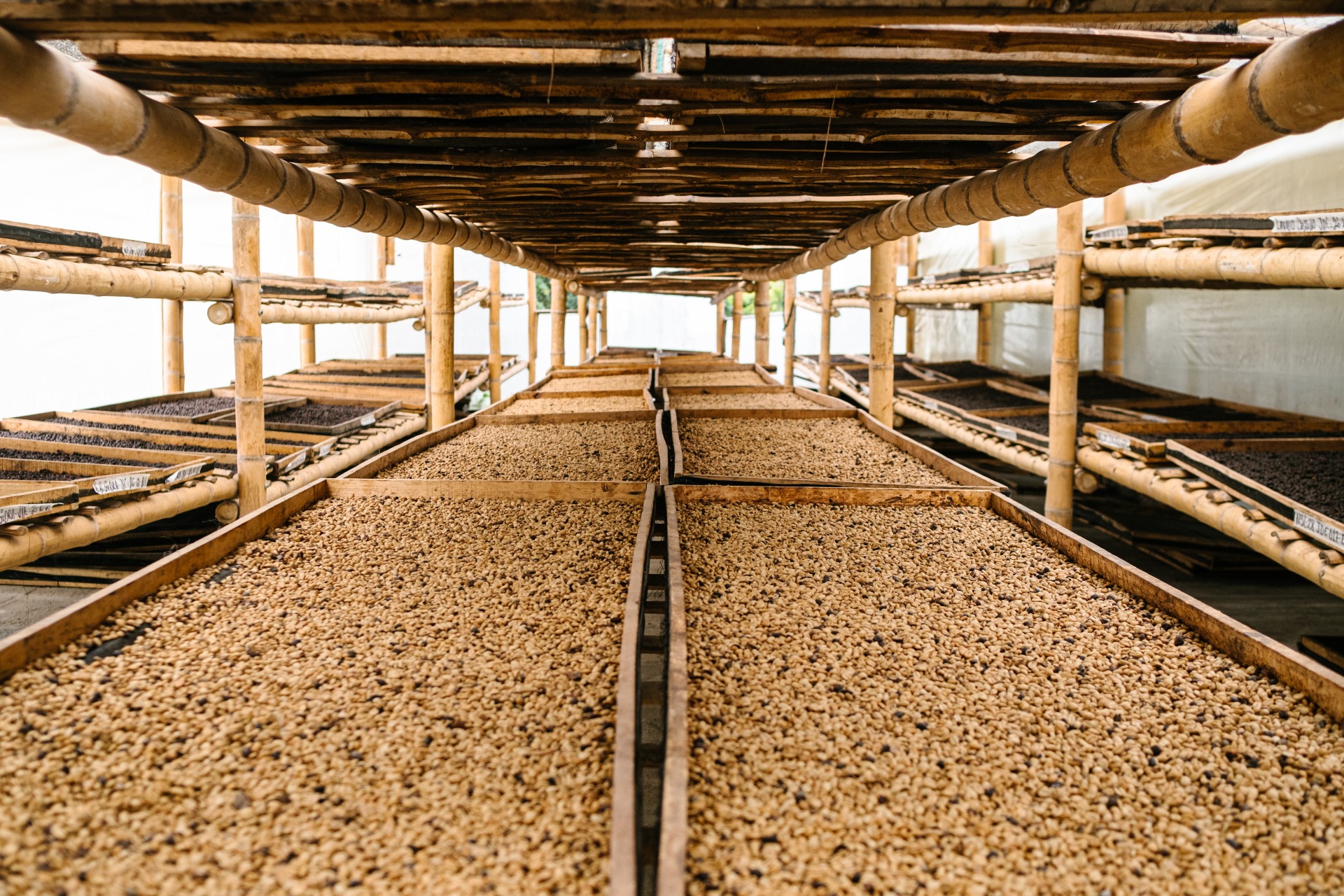 Традиционная модель обработки в Колумбии — депульпация, ферментация, промывка и сушка пачмента
Часто фермеры сушат кофе до 20–25% влажности естественным способом, затем досушивают в механических сушилках до 10–12%. Неправильная сушка, например при температуре выше 40 °С, может негативно повлиять на стабильность зерна при хранении.
В спешелти сегменте растет доля натуральных и анаэробных обработок, распространение фанки лотов и инфьюз-процессов. Однако в масштабах страны это остается нишевым сегментом.
Экономика и экспорт
Экспортная система в Колумбии выстроена вокруг Национальной федерации производителей кофе. Через сеть кооперативов фермер может сдать урожай и получить оплату по формуле, которая зависит от биржевой цены. Это дает производителям понятные условия и снижает риск того, что кофе останется непроданным.
Большая часть экспорта — это крупные стандартизированные партии категории Excelso Exportable. Такой кофе соответствует установленным требованиям по размеру зерна и количеству дефектов. Благодаря этому страна может ежегодно поставлять большие и однородные объемы мытой арабики.
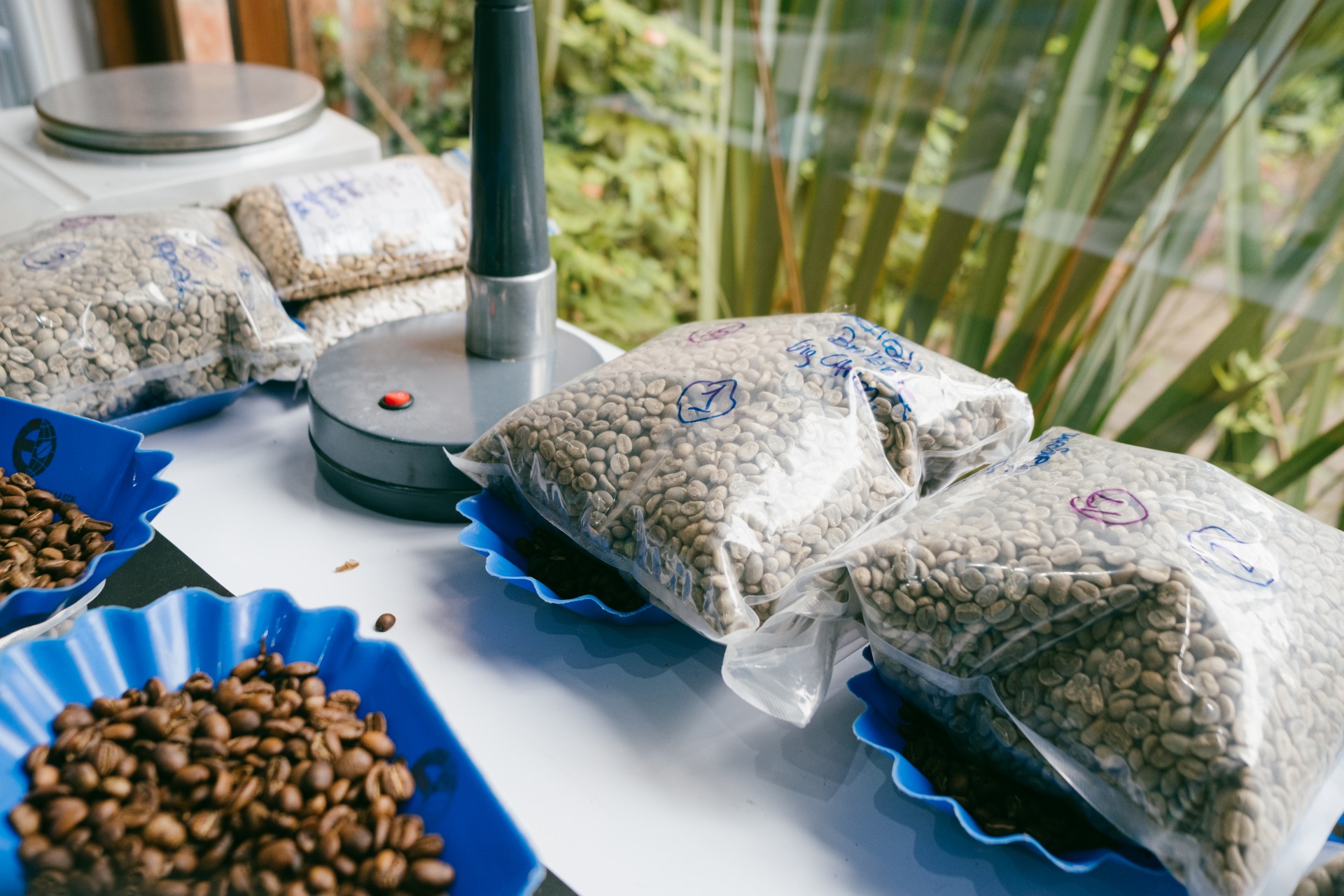 Обозначения Supremo и Excelso относятся к размеру зерна, а не к вкусовым характеристикам. Такая физическая стандартизация лежит в основе массовых экспортных программ
Параллельно развивается сегмент региональных и фермерских лотов, особенно в южных департаментах. Эти партии меньше по объему и чаще работают в спешелти сегменте. Таким образом, в стране одновременно существуют две модели: крупные стандартизированные поставки и более интересные, выделенные лоты.
Производство при этом зависит от погоды. Избыточные дожди или засуха могут повлиять на объем урожая и сроки поставок.
Итог
Колумбия — крупнейший поставщик мытой арабики с устойчивой системой производства и экспорта. Высоты, ручной сбор и преобладание мытой обработки формируют чистый и стабильный профиль, за который страну ценят на мировом рынке.
Масштаб производства сочетается с возможностью выделять региональные и фермерские лоты. Именно это делает Колумбию одновременно базовой и гибкой страной-производителем для рынка зеленого кофе.