Как выращивают кофе в Кении
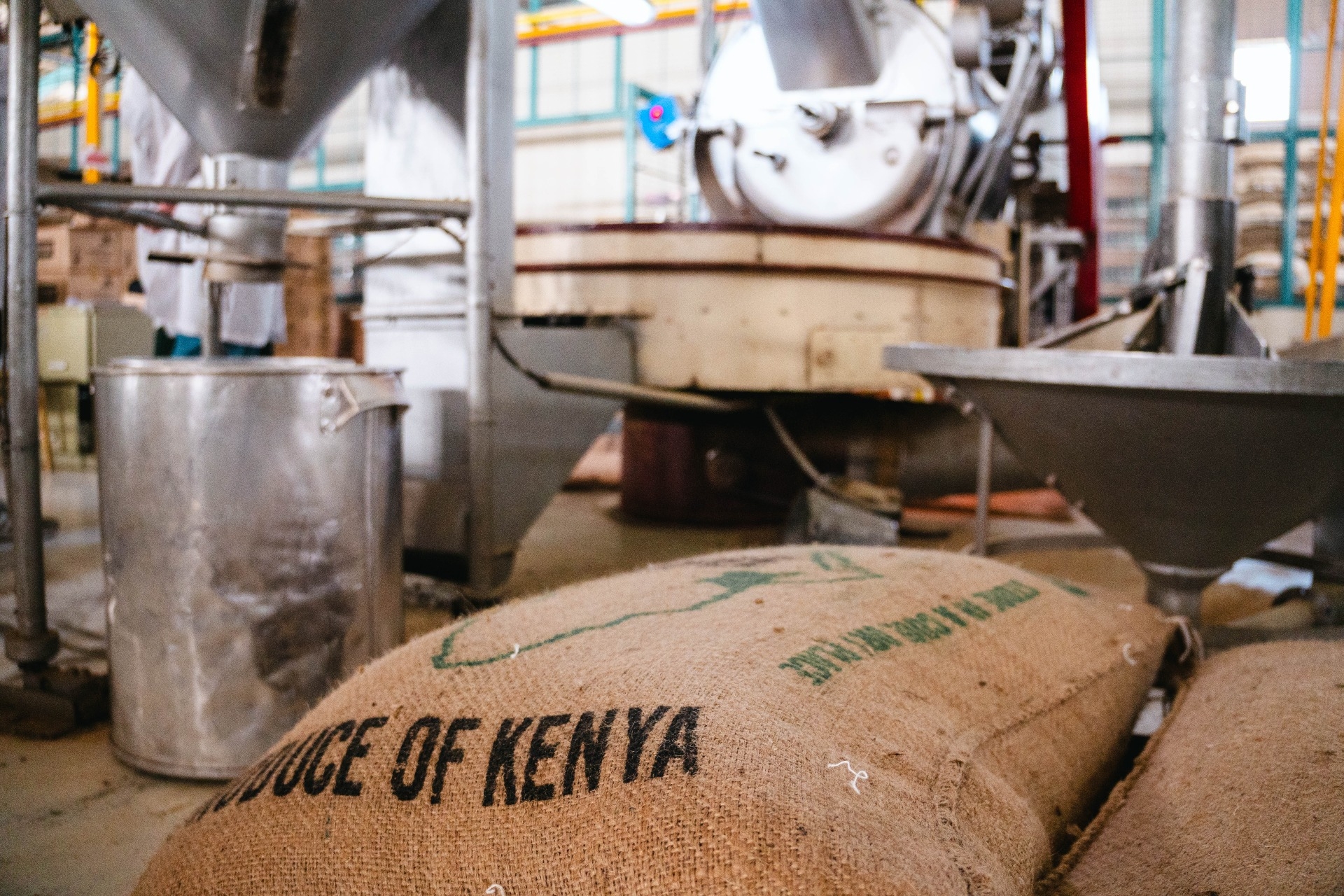
Место Кении в мировой кофейной индустрии
Кения занимает примерно 15–17-е место в мире по объему производства кофе. В разные годы страна производит около 700–800 тыс. мешков по 60 кг. Это в разы меньше, чем у соседней Эфиопии, и несопоставимо, например, с Бразилией.
Почти весь кенийский кофе — арабика. Робусту в стране практически не выращивают. При этом именно Кения считается одним из главных поставщиков спешелти зерна на мировой рынок.
Кофе не является ключевой отраслью экономики страны. Более важную роль играют чай, сельское хозяйство в целом и туризм. Поэтому производство кофе в Кении остается относительно небольшим и не спешит масштабироваться.
Природные условия и кофейные регионы
Кофе в Кении выращивают преимущественно на высоких плато вокруг горы Кения и хребта Абердаре. В меньших объемах — в Мачакосе и Тайте. Основные кофейные зоны расположены на высоте от 1400 до 2000 м над уровнем моря.
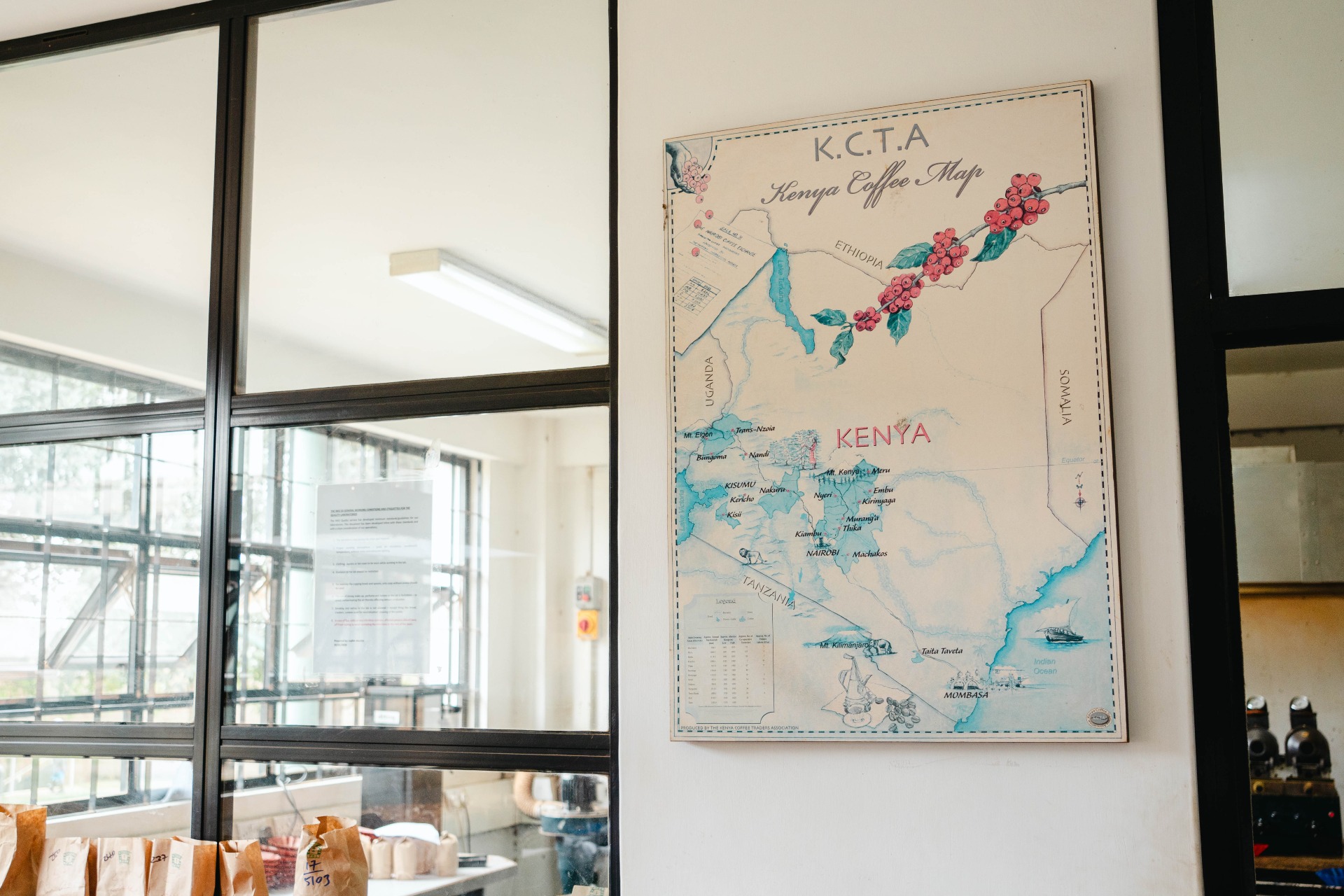 Именно кофе из центральных регионов ассоциируется с классическим кенийским профилем — ярким, кислотным и чистым
Основные кофейные регионы Кении:
Кириньяга,
Ньери,
Муранга,
Киамбу,
Эмбу,
Ньянза,
части Рифт-Валли.
Почвы в этих регионах глубокие, суглинистые, богатые железом и ортофосфорными соединениями. Именно с этим часто связывают характерную «искристую» кислотность кенийского кофе, которую описывают как легкое пощипывание и поскрипывание на зубах — как у колы. Кения находится на экваторе, поэтому здесь два сезона дождей: с апреля по июнь и с сентября по декабрь. Соответственно, в стране два урожая — основной и так называемый флай-кроп. Сезонность позволяет поддерживать стабильное предложение кофе в течение года.
Структура производства
Кенийская кофейная индустрия почти полностью основана на мелком фермерстве. Около 95% кофе выращивают фермеры с участками в среднем около 0,2 га. Свободной земли в стране мало, она дорогая, поэтому расширение площадей практически невозможно.
У мелких фермеров, как правило, нет собственных станций обработки. Поэтому они объединяются в кооперативы и сдают ягоды на общие станции.
 Один фермер может состоять сразу в нескольких кооперативах и распределять урожай между ними — в зависимости от условий и цен
Крупные фермы составляют не более 5% от общего числа производителей. Обычно у них есть собственные станции обработки, но в индустрии считается, что кофе с таких ферм менее стабилен по качеству из-за массового сбора ягод.
Роль государства и регулирование
Кофейный рынок Кении жестко регулируется государством. Законодательство четко определяет, кто имеет право покупать ягоды, обрабатывать кофе, продавать его и экспортировать.
Фермеры и кооперативы не могут свободно торговать между собой: например, ферма со своей станцией не имеет права покупать ягоды у других производителей. Это сделано для защиты мелких фермеров и предотвращения концентрации рынка.
Каждое перемещение кофе — от ягоды до экспортного мешка — документируется. Такая система позволяет сохранять прослеживаемость и снижает риск манипуляций с качеством.
Генетика и разновидности
Одна из ключевых причин репутации Кении — селектированные разновидности кофе. В стране выращивают в основном SL28 и SL34, выведенные в 1930-х годах в Scott Laboratories. Первая происходит от бурбона, вторая — от типики.
Обе разновидности хорошо адаптированы к условиям Кении, устойчивы к засухе и дают урожай десятилетиями, но при этом восприимчивы к болезням кофейных деревьев. Их ценят прежде всего за вкус — яркий, сложный и очень узнаваемый.
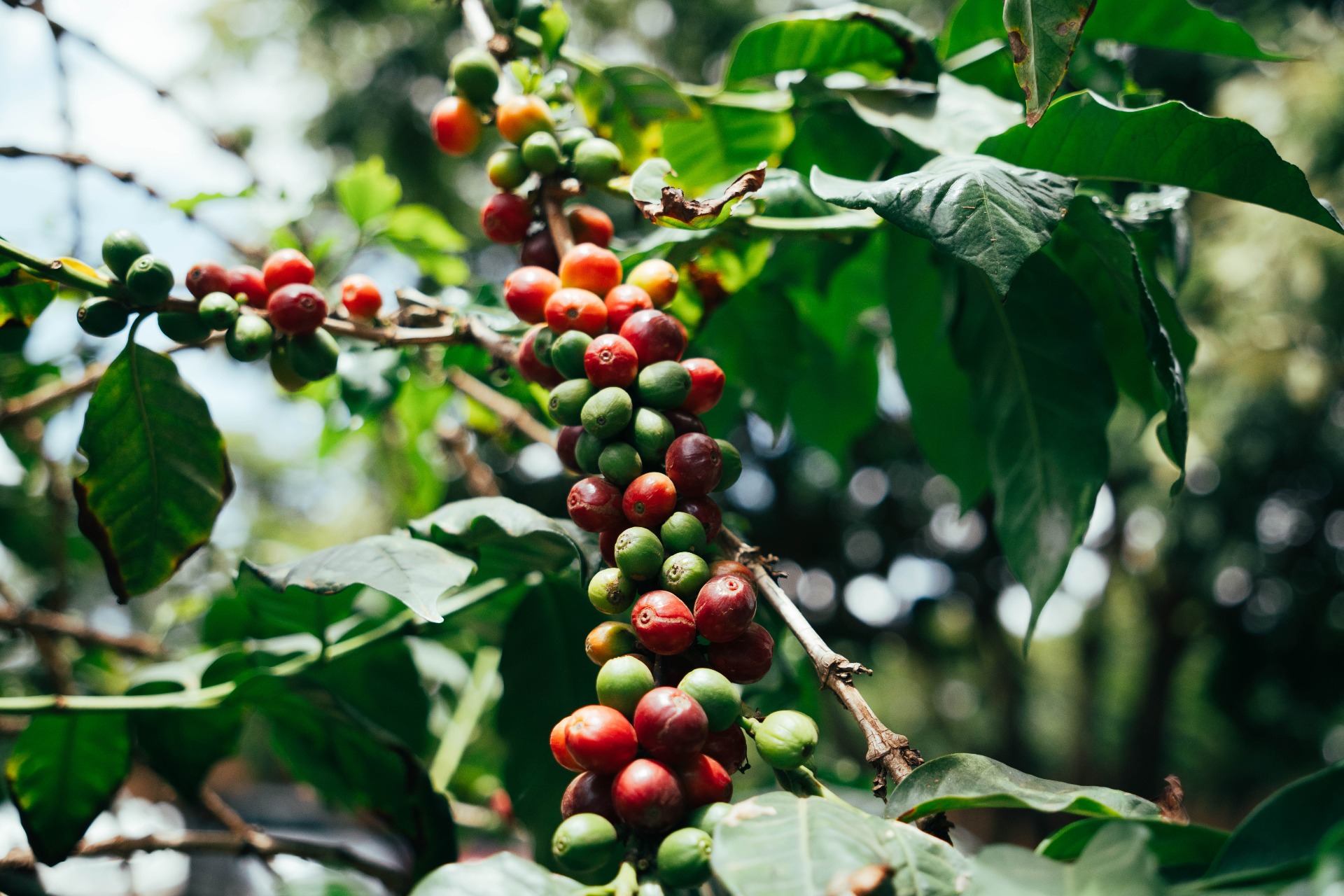 Выращивать только разновидности SL — большой риск для фермеров. Часто весь урожай погибает из-за эпидемий кофейных болезней
Кроме SL-группы, в Кении выращивают гибриды руиру 11 и батиан. Они устойчивее к болезням и дешевле в уходе, но пока уступают SL28 и SL34 по вкусовому потенциалу. Поэтому в спешелти сегменте по-прежнему доминируют классические разновидности.
Практики выращивания
Кофе в Кении выращивают преимущественно в традиционных агросистемах. Удобрения и средства защиты растений применяются ограниченно, во многом из-за высокой стоимости.
Сбор урожая в Кении происходит дважды в год. Основной урожай собирают с октября по декабрь, дополнительный — с апреля по июнь. Сбор осуществляется вручную.
После сбора ягоды должны быть доставлены на станцию обработки в кратчайшие сроки. В противном случае качество быстро падает. Поэтому география кооперативов и станций обработки напрямую влияет на стиль и чистоту кофе. На станциях ягоды проходят строгую приемку: недозрелые и перезрелые отсеивают сразу. Фермеру их возвращают, и он либо обрабатывает ягоды сам, либо продает на внутренний рынок.
Такая система стимулирует селективный сбор и напрямую влияет на качество итогового зерна.
Обработка кофе
Почти весь кофе в Кении обрабатывают мытым способом. Натуральная обработка и фанки встречаются крайне редко и занимают нишевую долю рынка.
Классическая кенийская схема включает депульпацию, сухую ферментацию, промывку и сушку. Во многих случаях используется так называемая двойная ферментация: после первичной ферментации и промывки пачмент замачивают в чистой воде на 12–24 часа.
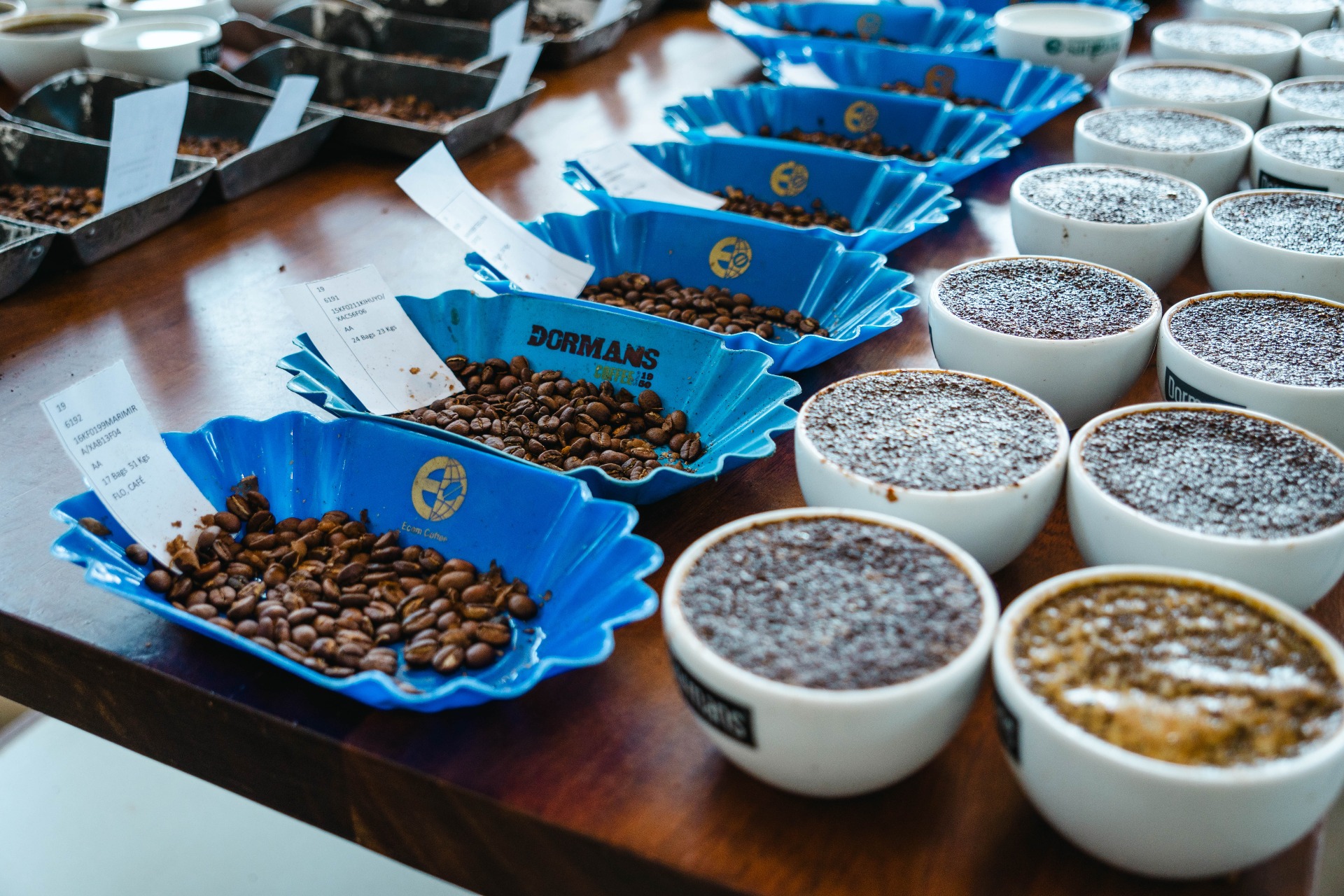 Для кенийских производителей замачивание — скорее инструмент управления процессом и выравнивания качества, чем способ кардинально изменить вкус
Сушка, предэкспортная подготовка и классификация
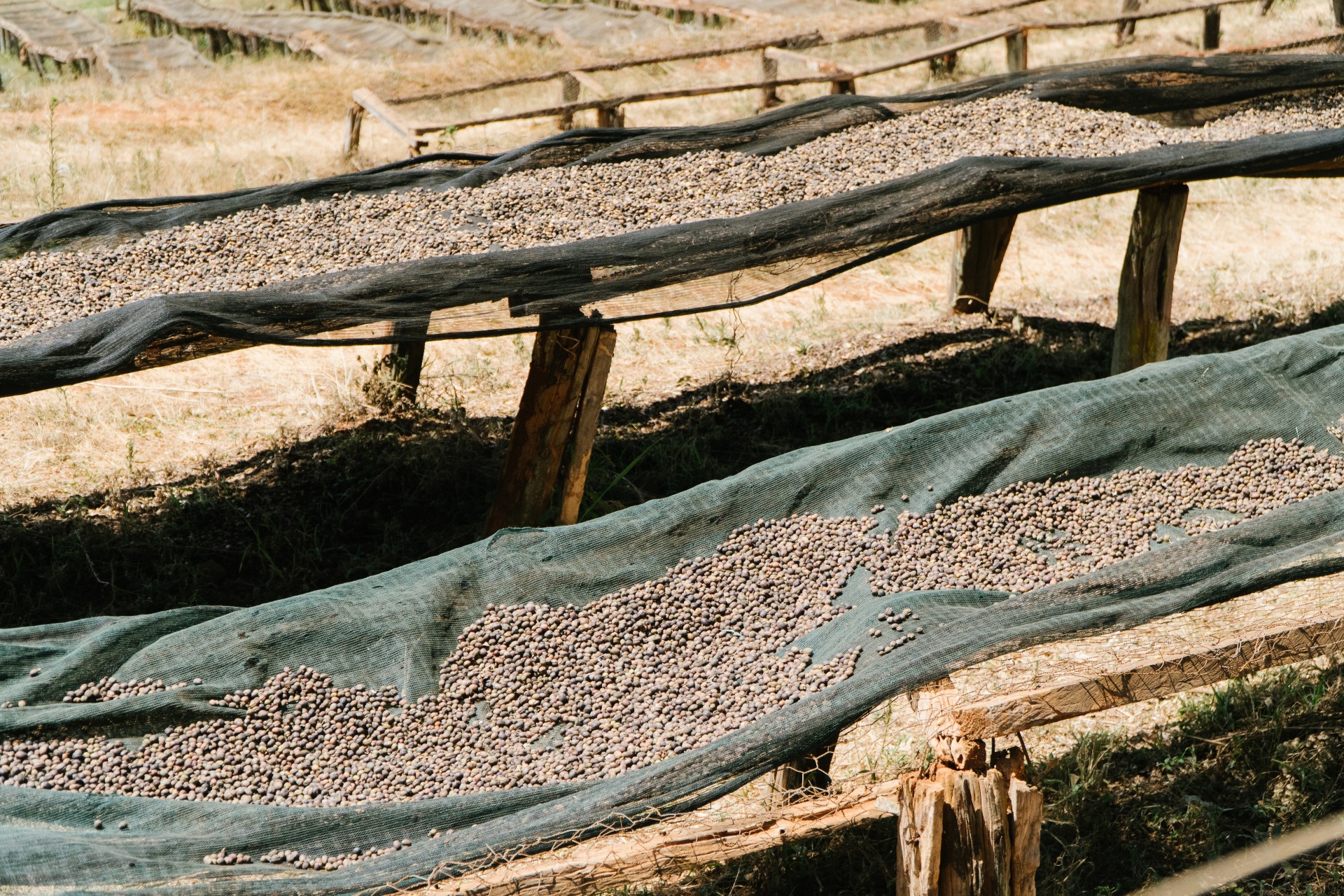
Сушка кофе происходит на африканских кроватях. Процесс делят на два этапа: быструю сушку до влажности около 25% и длительную — до 11–11,5%. Если кофе пересушен или недосушен, его не примут на станцию обработки.
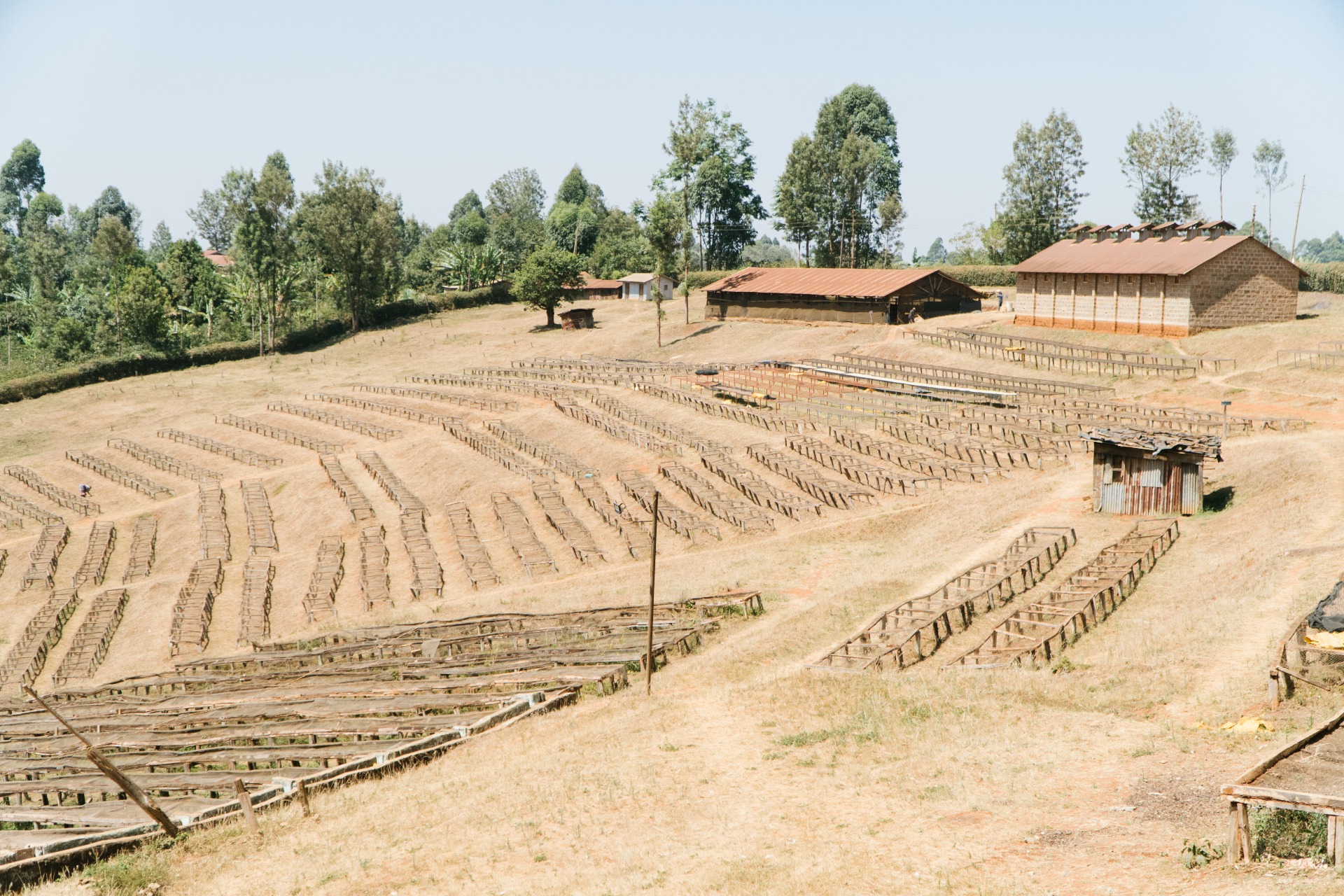 Сушат кофе на африканских кроватях только утром или вечером. Днем кофе накрывают, чтобы сильное солнце не повредило пачмент
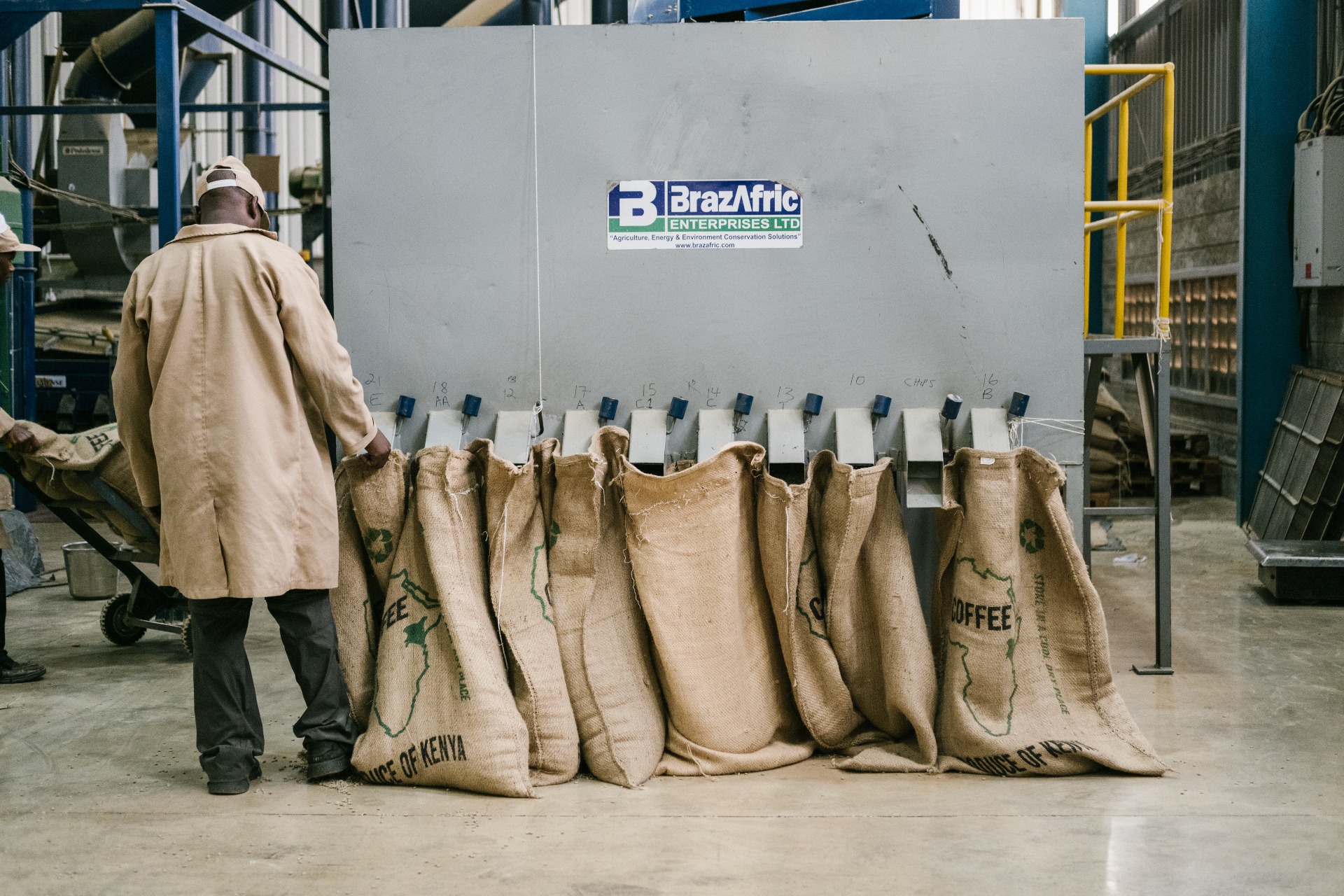
После сушки кофе отправляют на халлинг, сортировку по размеру и плотности, а затем — на финальную подготовку к экспорту.
Кенийский кофе классифицируют по размеру зерна. Самый крупный кофе получает класс E (от слова elephant — «слон»), второй по размеру кофе со скрином 17–18 получает класс АА — этот класс наиболее популярен среди зерна на экспорт. Кроме того, бывают классы AB, A, C, PB (пиберри) и другие, которые уже не экспортируют.
Размер зерна не является прямым показателем качества, но влияет на плотность, кислотность и выбор профиля обжарки. В разные сезоны соотношение грейдов может существенно меняться, что напрямую отражается на ценах.
Аукционная система и экспорт
Около 80% кенийского кофе продается через аукцион на кофейной бирже Найроби. Это одна из самых прозрачных и отлаженных систем торговли зеленым кофе в мире.
Экспортеры заранее получают образцы всех лотов, каппят их и участвуют в торгах. Аукцион фокусирует рынок на вкусе, а не на репутации производителя: на этапе торгов информация о ферме зашифрована.
 Процесс продажи и экспорт кофе в Кении жестко регламентирован правительством страны
После продажи деньги выплачиваются кооперативам, а те распределяют их между фермерами. В среднем фермеры получают около 90% чистой прибыли кооператива, что делает систему выгодной для производителей, но ограничивает инвестиции в обновление инфраструктуры.
Вызовы и изменения
Основные проблемы кофейной индустрии Кении — старение оборудования, высокая стоимость земли, давление болезней и низкая привлекательность фермерства для молодежи.
При этом Кения остается одной из самых стабильных стран с точки зрения качества. Здесь меньше экспериментов, но больше прозрачности и предсказуемости, чем почти где-либо еще.
Главное
Кения — это страна, где вкус стал результатом системы. Ограниченные объемы, селектированные разновидности, строгая обработка и прозрачная торговля делают кенийский кофе одним из самых узнаваемых в мире.
Для рынка зеленого кофе Кения — это не про гибкость и не про низкую цену. Это про ориентир качества, с которым сравнивают всех остальных.