Как выращивают кофе в Индонезии
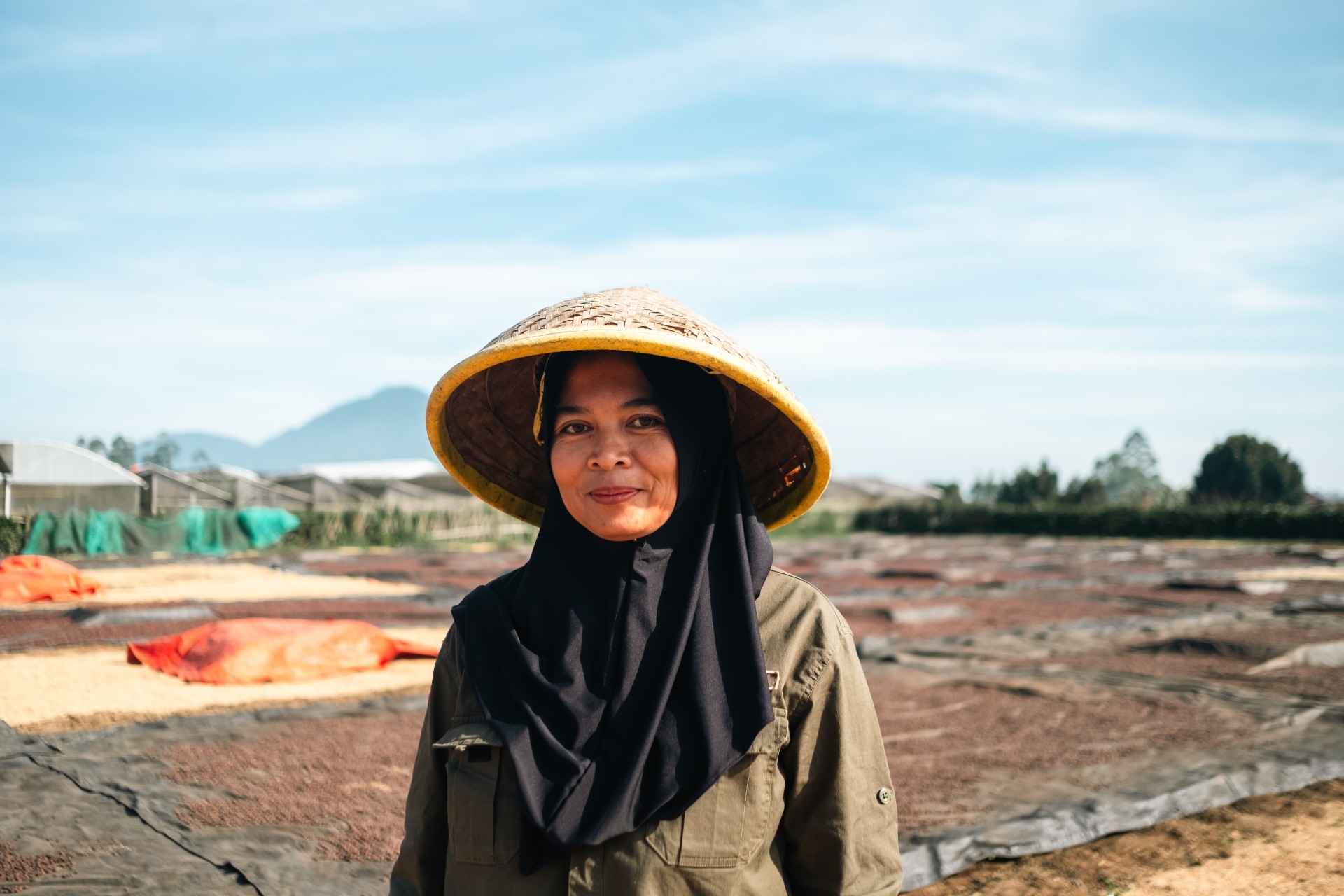
Место Индонезии в мировой кофейной индустрии
Индонезия стабильно входит в пятерку крупнейших производителей кофе в мире. Ежегодный объем производства колеблется в пределах 600–750 тысяч тонн зеленого кофе, при этом около 85–90% — это робуста.
Кофе в Индонезии выращивают более трех столетий. В 18-м веке страна стала первой крупной кофейной колонией за пределами Йемена и Эфиопии: зерно с Явы экспортировали в Европу уже в начале 1700-х годов. В конце 19-го века эпидемия кофейной ржавчины почти уничтожила арабику. А с начала 20-го века производство постепенно сместилось в сторону робусты — более устойчивой к болезням и подходящей для низких высот. Эта структура сохраняется до сих пор.
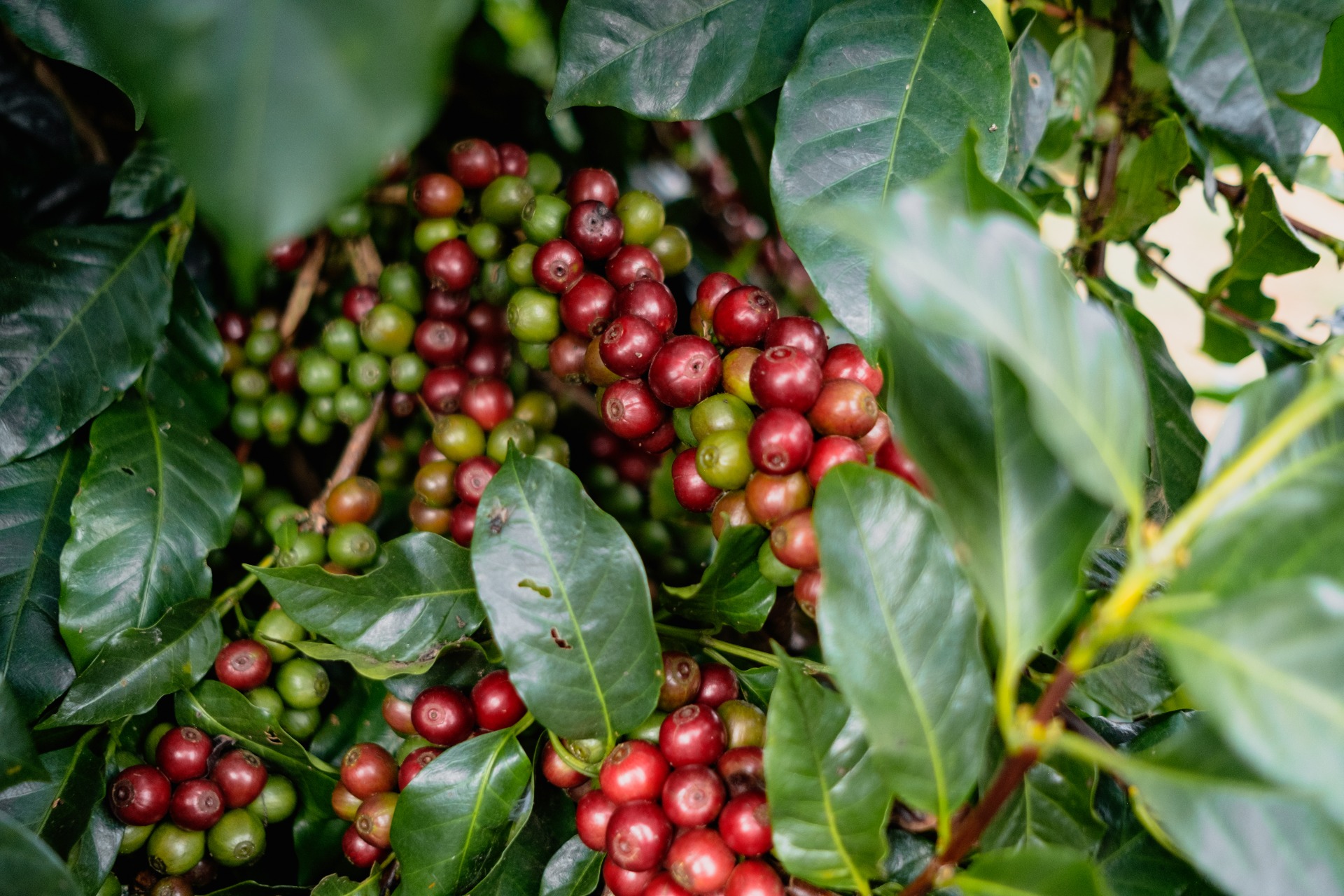 До 1840-х годов Индонезия, Восточная Индия и некоторые страны Юго-Восточной Азии были важнейшими поставщиками кофе в мире
География и терруар
Индонезия — архипелаг с тысячами островов, расположенный в зоне экваториального климата. Для большинства кофейных регионов характерны высокая влажность воздуха и обильные осадки. Эти условия благоприятны для роста кофейных деревьев, однако создают сложности на этапе сушки.
Арабика выращивается преимущественно в горных районах на высотах 1200–1700 м над уровнем моря. Ключевые зоны сосредоточены на Суматре, Яве и Сулавеси, а также на Бали, Флоресе и Папуа. Высотный диапазон и вулканическое происхождение почв создают условия для формирования плотного зерна и структурированного вкуса.
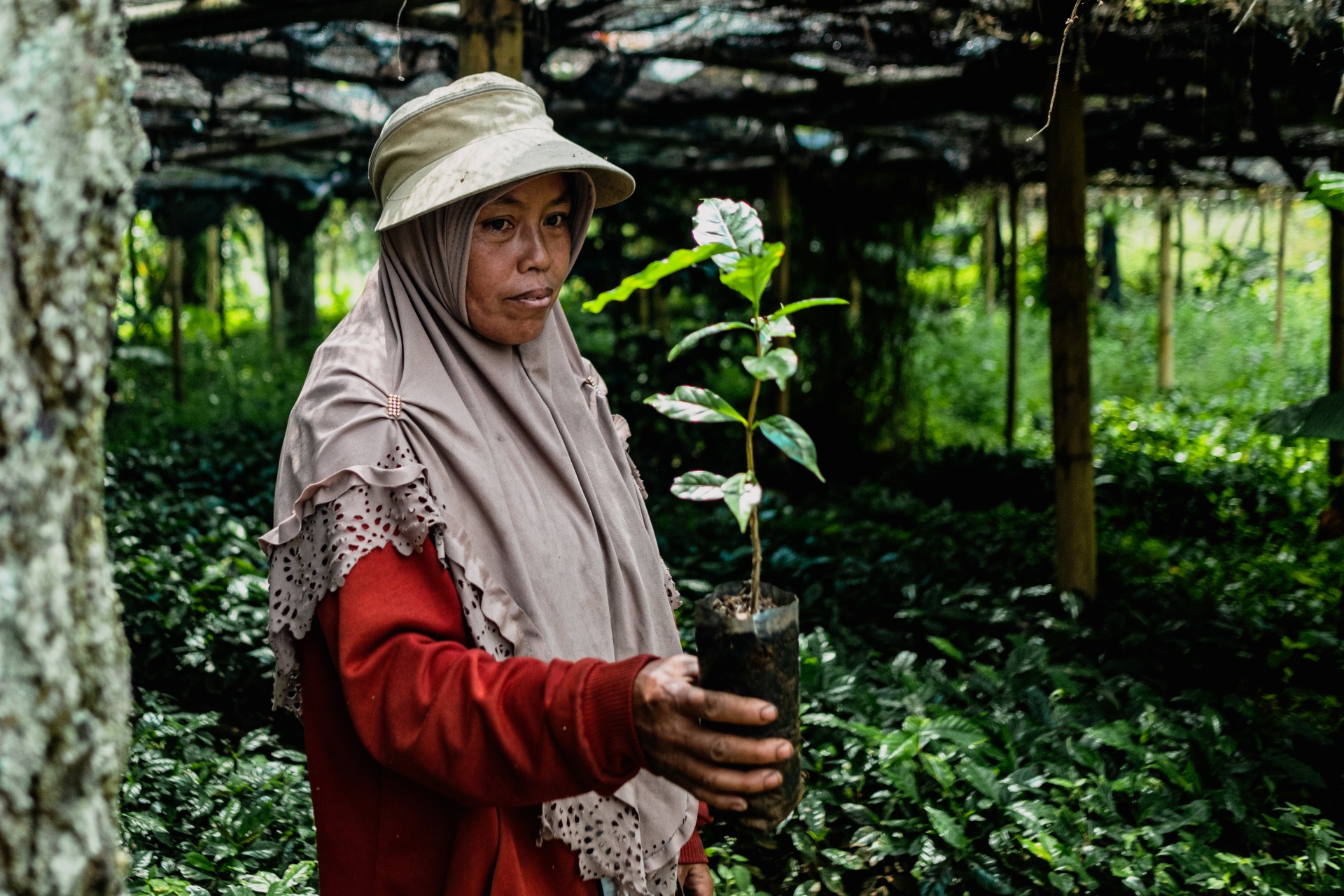 Робуста занимает более низкие высоты — главным образом южную часть Суматры и восток Явы
Из-за островной географии календарь сбора урожая различается. На Суматре основной сбор приходится на осенние месяцы, на Яве — на период с конца весны до начала осени. Это делает предложение внутри страны неоднородным в течение года.
Структура производства
Индонезийская кофейная индустрия основана на мелком фермерстве. Около 90% кофе выращивают хозяйства площадью менее одного гектара. Урожайность невысокая, а инвестиции в обновление посадок ограничены.
Фермеры редко располагают собственной инфраструктурой для полноценной обработки. Чаще всего ягоды продаются посредникам или на станции обработки, которые могут принадлежать экспортерам. Это означает, что контроль качества и стандартизация формируются не на уровне фермы, а на уровне станции.
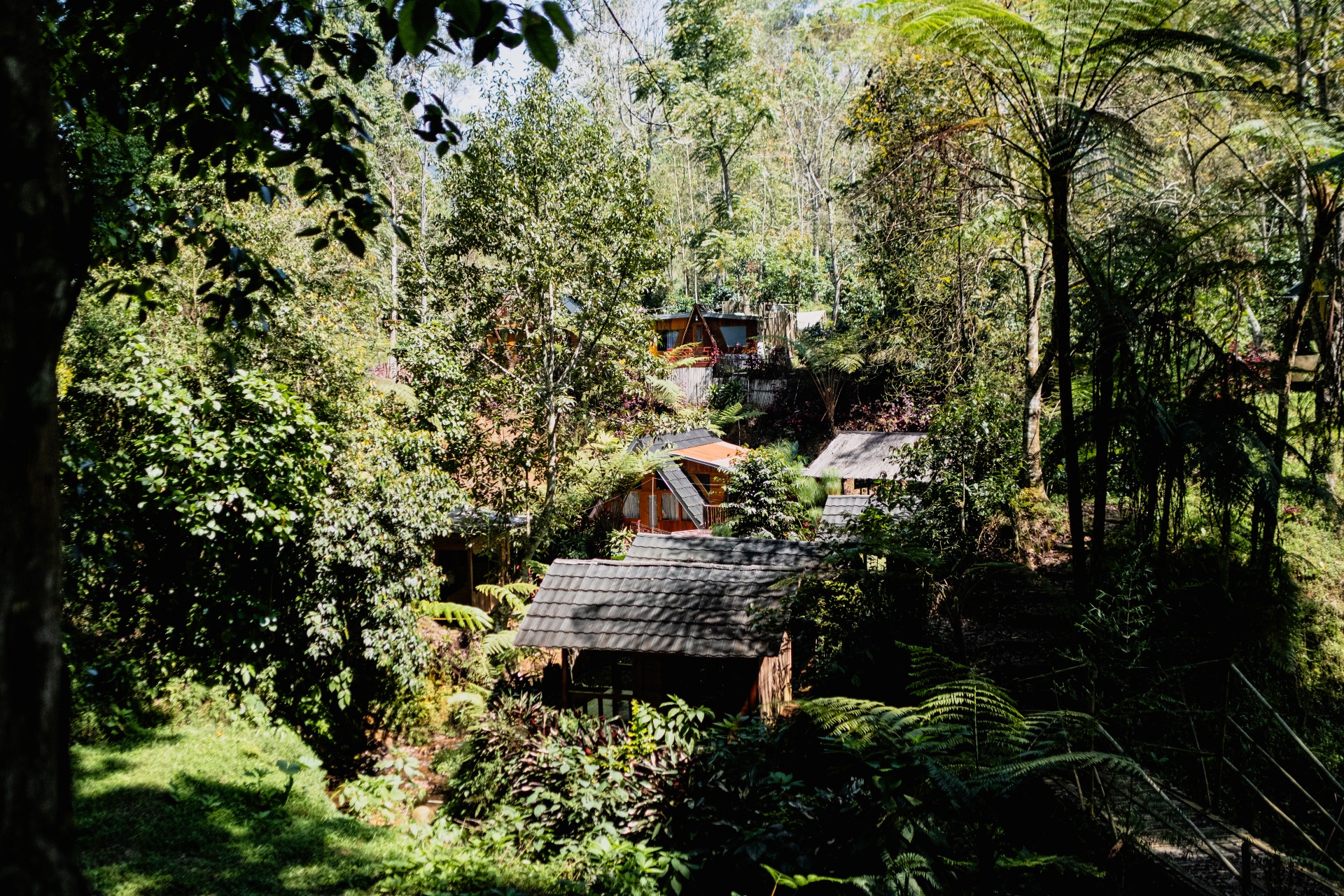 Низкую урожайность в регионе связывают со старением деревьев: фермеры редко проводят обрезку и обновляют посадки, поскольку опасаются потерять урожай в моменте
При этом именно мелкое фермерство делает индустрию гибкой: внутри одного региона можно встретить разные практики, обработки и подходы к сортировке.
Генетика и разновидности
Генетический состав индонезийского кофе отражает историю борьбы с болезнями. После эпидемии кофейной ржавчины широкое распространение получили гибриды арабики и робусты.
Среди наиболее популярных разновидностей:
S795 — одна из самых массовых разновидностей арабики в стране. Устойчива, адаптивна и относительно неприхотлива, что делает ее удобной для мелких фермеров.
Тим-Тим (Hibrido de Timor) — естественный гибрид арабики и робусты, ставший важным источником устойчивости к ржавчине. На его основе позже были выведены катимор и другие гибриды.
USDA 762 — селекция эфиопского происхождения, прижившаяся в Индонезии в середине 20-го века. Сегодня выращивается преимущественно на больших высотах.
Картика и андунгсари — локальные селекции, созданные индонезийским исследовательским институтом кофе и какао. Демонстрируют высокий потенциал, но требуют более тщательного ухода.
Ставка на устойчивые гибриды сформировала модель производства, ориентированную прежде всего на стабильность урожая и сопротивляемость болезням, а не на сортовую дифференциацию вкуса. Во многих регионах фермеры выращивают несколько разновидностей одновременно и продают их смешанными лотами. Сортовая изоляция встречается редко и чаще характерна для более продвинутых хозяйств.
Обработка: вет-халл как системное решение
Высокая влажность воздуха в регионе стала причиной появления одного из самых узнаваемых методов обработки — вет-халл, или гилинг басах.
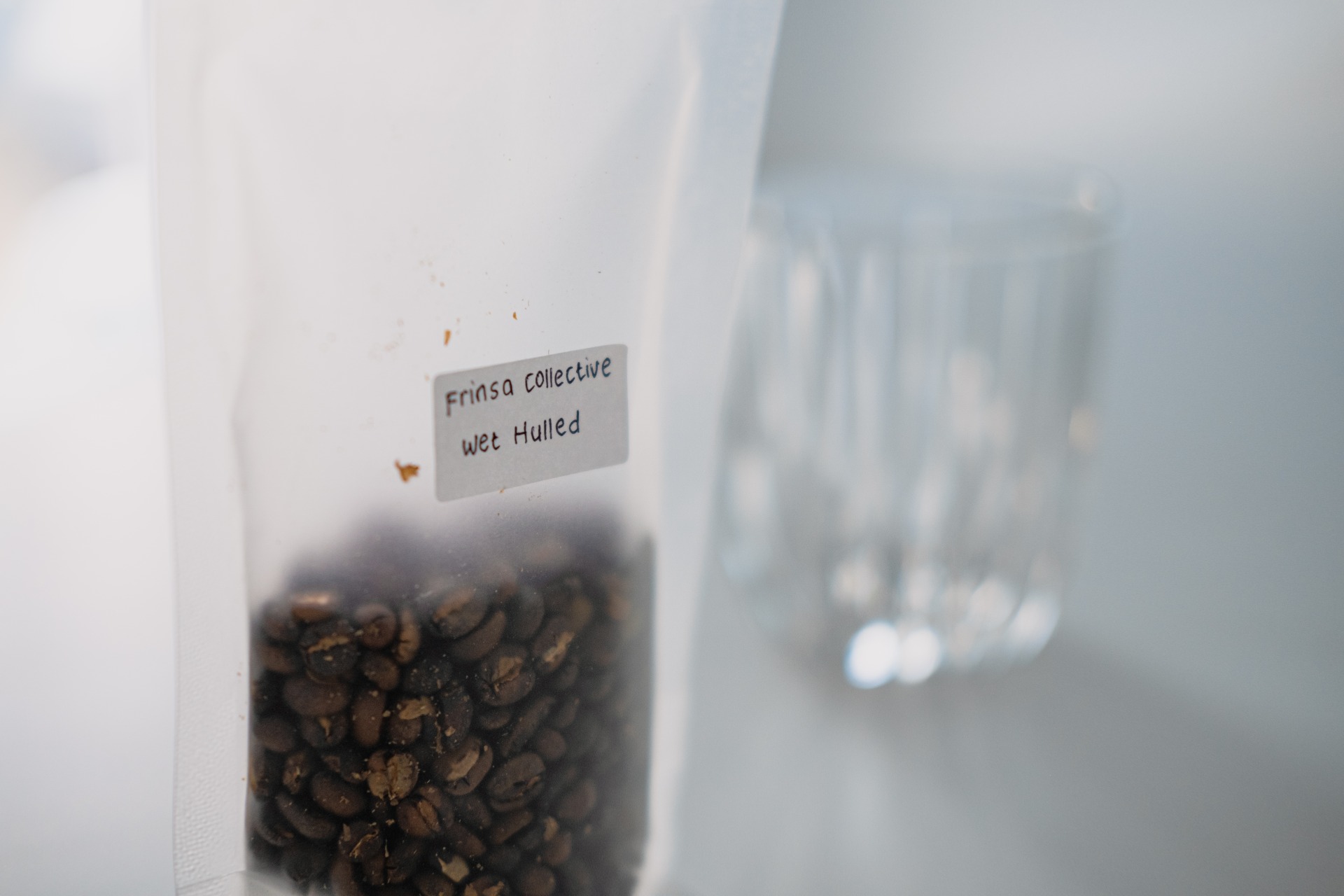 Вет-халл стал визитной карточкой Индонезии
Процесс начинается как при мытой обработке: депульпация и ферментация. Затем кофе сушат в пачменте лишь частично — до уровня около 20–24% влажности. Затем пергамент удаляют, и зерно досушивают уже без оболочки.
Такой подход отличается от классической мытой обработки, где халлинг проводят при влажности около 11%. В случае вет-халл зерно очищается раньше, пока оно еще мягкое. Это влияет и на внешний вид, и на структуру вкуса: кофе становится менее кислотным, более плотным, с характерными пряными и землистыми оттенками.
На Яве и в отдельных регионах также распространена классическая мытая обработка. Натуральные и фанки методы постепенно развиваются, но вет-халл в ряде регионов доминирует. Он требует меньше времени на сушку в условиях высокой влажности и позволяет быстрее вывести кофе на рынок. Таким образом, его устойчивость объясняется не только традицией, но и экономической целесообразностью.
Экономика и экспорт
Экономика индонезийского кофе строится вокруг частных экспортеров и сети посредников. В отличие от стран с централизованной аукционной системой или жестким государственным регулированием, здесь рынок более фрагментирован. Кофе проходит несколько этапов перепродажи, прежде чем попасть к экспортеру, что увеличивает ценовые колебания и снижает прозрачность цепочки.
Экспорт индонезийского кофе исторически нестабилен. Объемы сильно зависят от погодных условий, состояния посадок и внутреннего спроса. В отдельные годы экспорт превышал 9 млн мешков по 60 кг, в другие снижался почти вдвое.
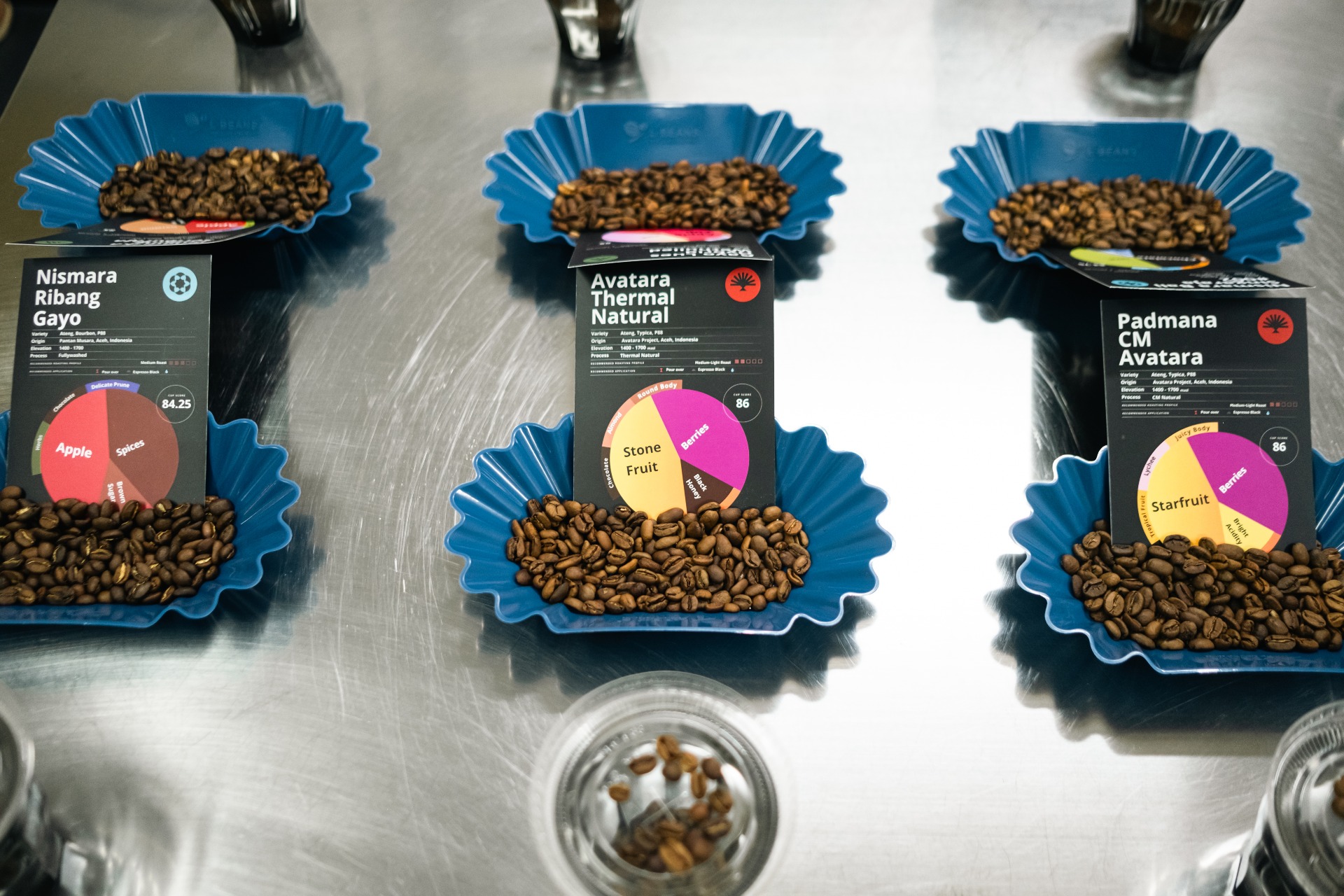 В отличие от Кении или Эфиопии, в Индонезии нет единой централизованной национальной системы грейдинга
Отличительная особенность страны — высокий уровень внутреннего потребления. Индонезия входит в число крупнейших потребителей кофе среди стран-экспортеров. Рост населения и развитие городской кофейной культуры также сокращают долю урожая, доступную для внешнего рынка.
Дополнительный фактор — островная логистика. Кофе часто транспортируют с производящих островов к крупным экспортным портам, что увеличивает издержки и сроки поставки.
Итог
Индонезия — страна контрастов. С одной стороны, это крупный поставщик робусты с нестабильными объемами и фрагментированной системой производства. С другой — источник уникальных лотов арабики с характерным стилем и собственной технологией обработки.
Для рынка зеленого кофе Индонезия важна не только объемами, но и разнообразием. Здесь формируется особая модель производства, в которой климат, генетика и обработка играют равную роль. Понимание этой системы позволяет точнее оценивать риски и потенциал индонезийского кофе.