Как выращивают кофе в Гватемале
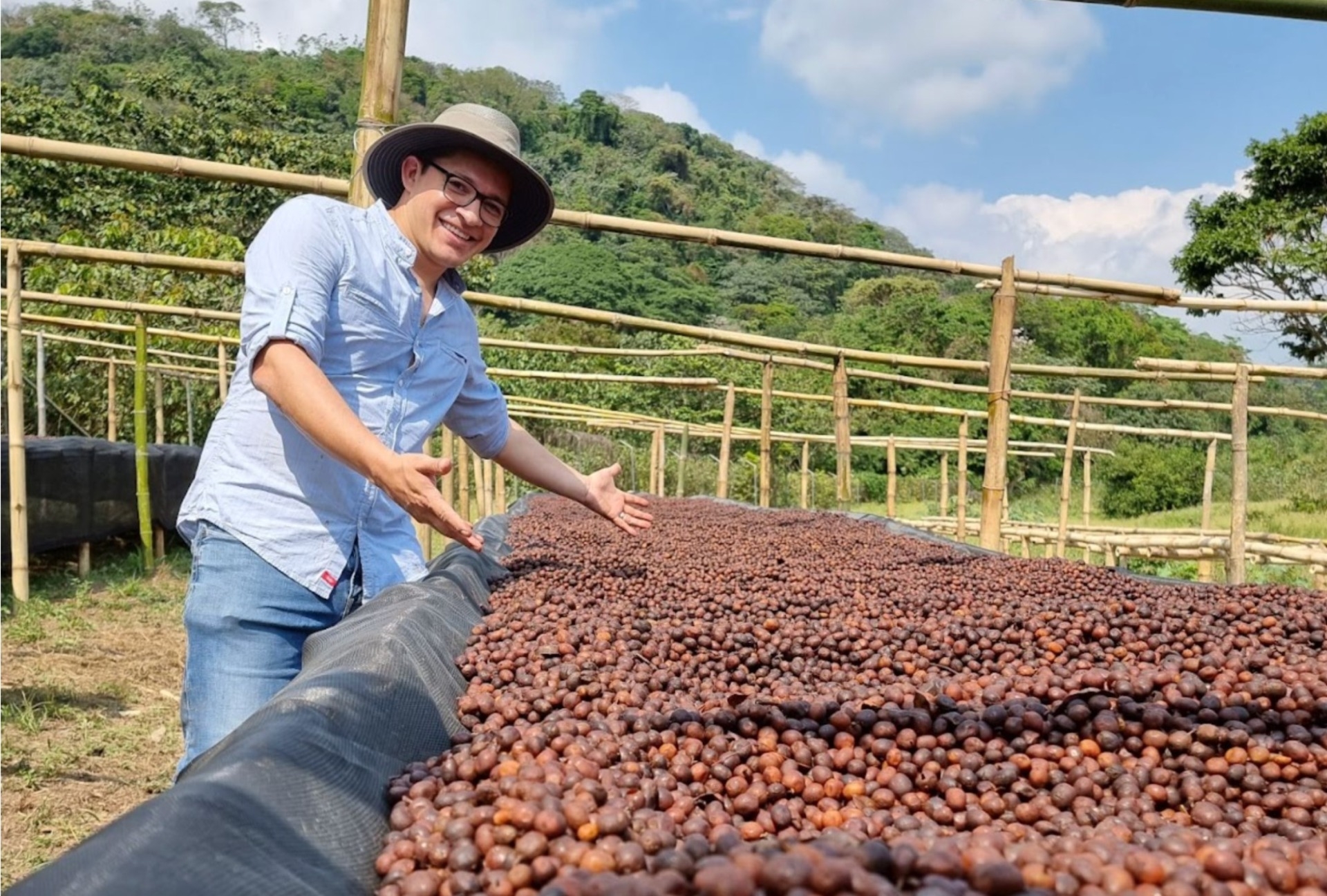
Место Гватемалы в мировой кофейной индустрии
Гватемала стабильно входит в десятку крупнейших производителей арабики в мире. Ежегодное производство составляет около 3–3,5 млн мешков по 60 кг. Практически весь объем — арабика.
Кофе остается одним из ключевых экспортных сельскохозяйственных товаров страны. Сектор регулируется на государственном уровне через систему, в которой центральную роль играет Anacafé — национальная ассоциация кофе.
После кризиса цен 1990-х годов, когда мировые котировки на кофе резко упали, Гватемала не стала конкурировать за счет увеличения объемов. Вместо этого страна сосредоточилась на повышении качества и продвижении регионов как самостоятельных происхождений — Антигуа, Уэуэтенанго, Атитлан и других. Акцент сделали на высоте произрастания, плотности зерна и строгой предэкспортной подготовке. В результате гватемальский кофе чаще продается как кофе конкретного региона с узнаваемым профилем, а не как компонент для массовых блендов.
География и терруар
Несмотря на небольшую площадь, Гватемала отличается выраженным рельефом. Кофе выращивают в основном на высотах от 1000 до 2000 м.
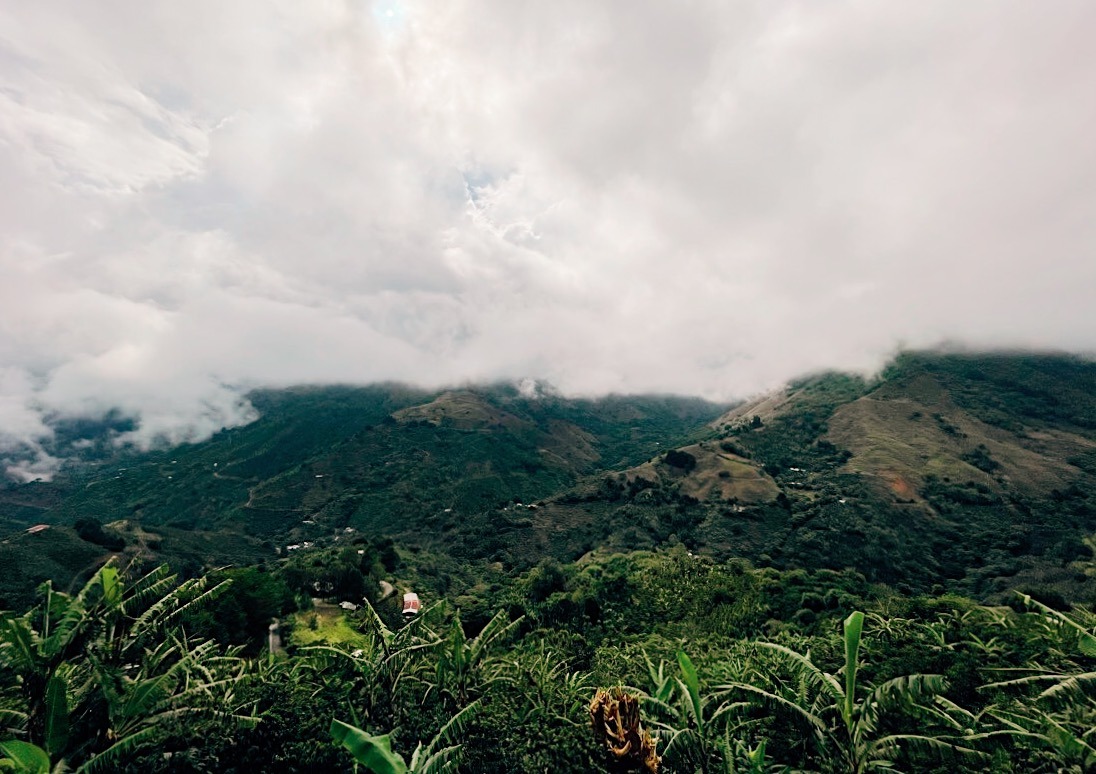 В некоторых районах страны за несколько часов можно подняться от уровня моря до высоты 3000 м
В стране официально выделяют восемь производственных регионов: Антигуа, Атитлан, Кобан, Фрайханес, Уэуэтенанго, Ориенте, Сан-Маркос и Акатенанго. Каждый регион имеет собственный микроклимат и вкусовую специфику.
Вулканические почвы в кофейных регионах богаты минералами и хорошо удерживают влагу. При этом климат в большинстве регионов требует затенения посадок: около 98% кофе выращивается в тени деревьев. Это необходимо из-за интенсивного солнечного излучения и перепадов температур.
Высоты и медленное созревание ягод формируют плотное зерно с яркой кислотностью и структурой чашки. В зависимости от региона профиль варьируется от шоколадно-орехового (Кобан) до более фруктового и яркого (Уэуэтенанго, Антигуа).
Структура производства
Более 90% кофе в Гватемале выращивают мелкие фермеры. Средние хозяйства также присутствуют, особенно в регионе Антигуа, где концентрация крупных производителей выше.
Сбор урожая проходит вручную с ноября по апрель. После сбора возможны три модели работы:
продажа ягод на станции обработки;
продажа влажного пачмента;
полный цикл обработки на ферме с последующей продажей готового пачмента экспортеру или кооперативу.
 В отличие от соседних стран, в Гватемале сосуществуют две модели: кооперативная и частная
Значительную роль в отрасли играют кооперативы и частные экспортеры. Они агрегируют кофе от мелких фермеров, организуют предэкспортную подготовку и выход на внешний рынок. Для многих небольших хозяйств кооператив остается основным каналом доступа к финансированию, сертификации и международным покупателям.
Генетика и разновидности
Традиционно в Гватемале выращивали типику и бурбон. Однако эти разновидности оказались уязвимыми к кофейной ржавчине и иным болезням, поэтому фермеры начали заменять их другими, чтобы снизить риски. Сегодня в стране широко распространены катурра, катуаи, паче, пакамара и другие мутации типики и бурбона.
После эпидемии кофейной ржавчины 2012 года, когда страна потеряла около 20% урожая, началась активная работа с более устойчивыми разновидностями и гибридами F1. Эти гибриды сочетают стойкость к болезням с хорошим потенциалом чашки, однако их распространение идет медленно из-за высокой стоимости посадочного материала.
Обработка
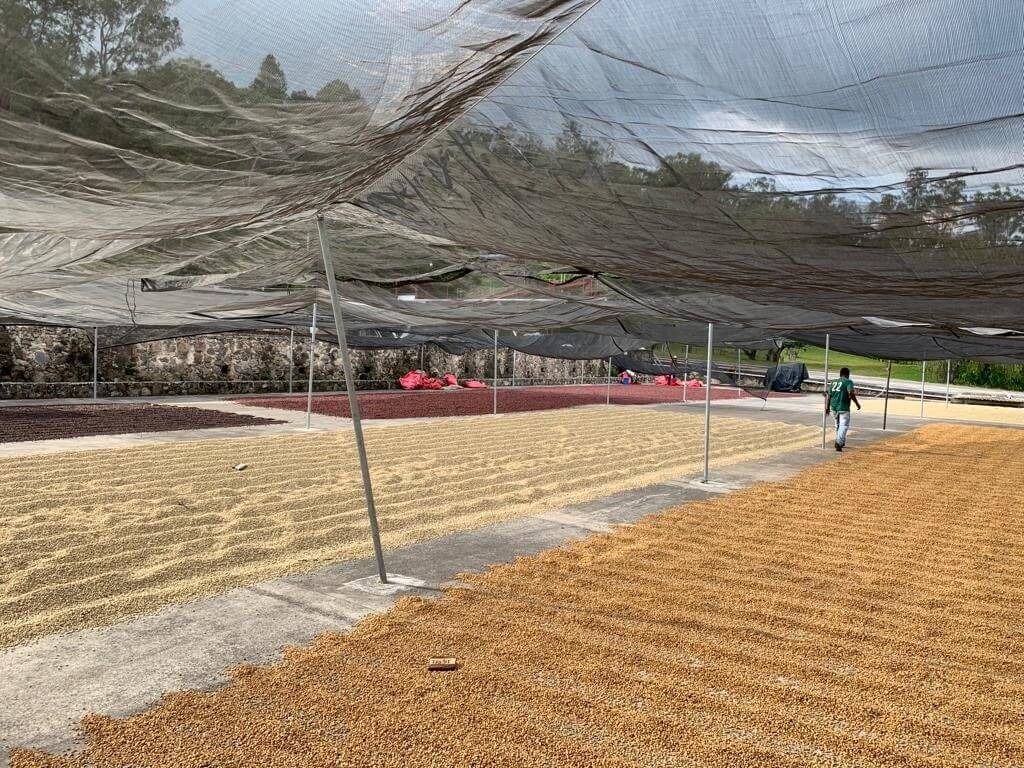
В Гватемале доминирует мытая обработка. В большинстве регионов фермеры депульпируют ягоды в день сбора, после чего ферментируют их от 12 до 36 часов — в зависимости от температуры и высоты. В более прохладных высокогорных зонах ферментация обычно длится дольше. После ферментации кофе промывают и сушат — на патио, в механических сушилках или под навесами.
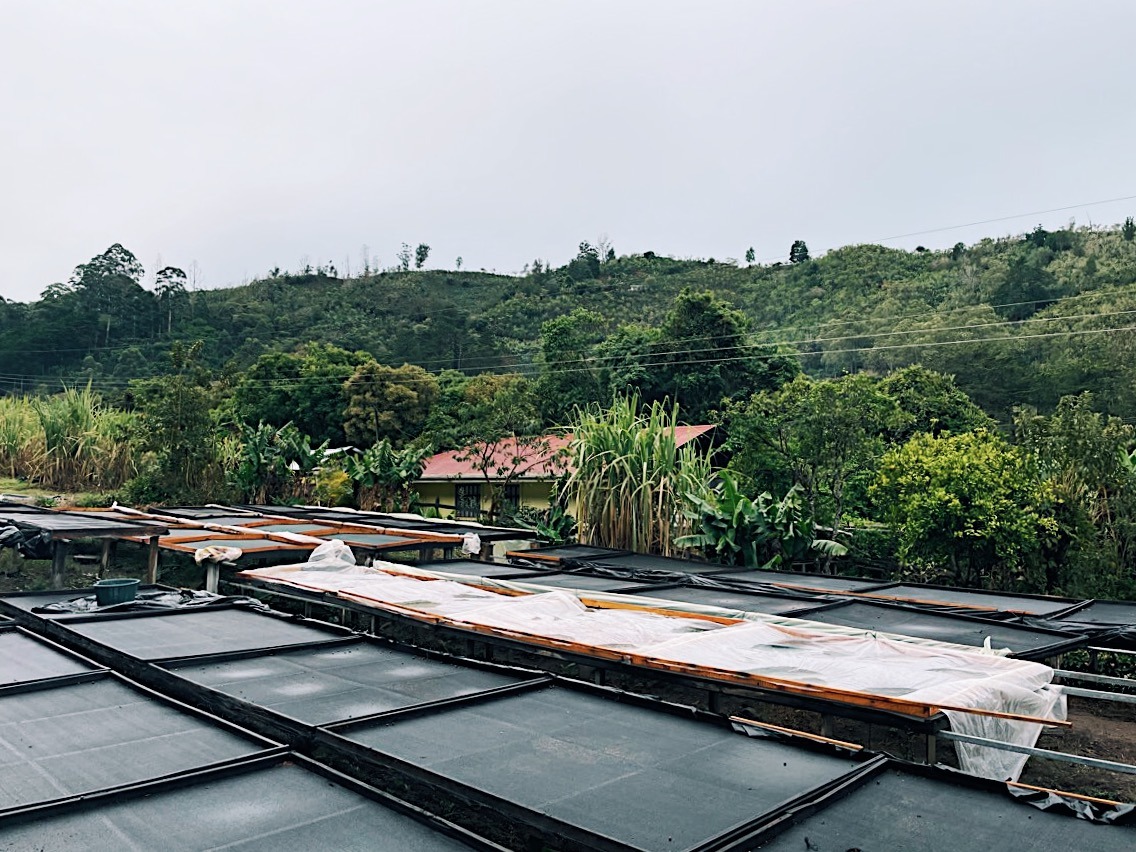 Во время сбора урожая во многих регионах стоит сухая погода. Перепады дневных и ночных температур помогают контролировать процесс сушки
Натуральная обработка встречается значительно реже и чаще используется как экспериментальная практика отдельных хозяйств. В массовой модели производства Гватемала остается страной классической мытой арабики.
Классификация и предэкспортная подготовка
Гватемала — одна из немногих стран Центральной Америки, где национальная классификация напрямую связана с высотой произрастания. Предполагается, что чем выше растет кофе, тем медленнее созревают ягоды и тем плотнее формируется зерно.
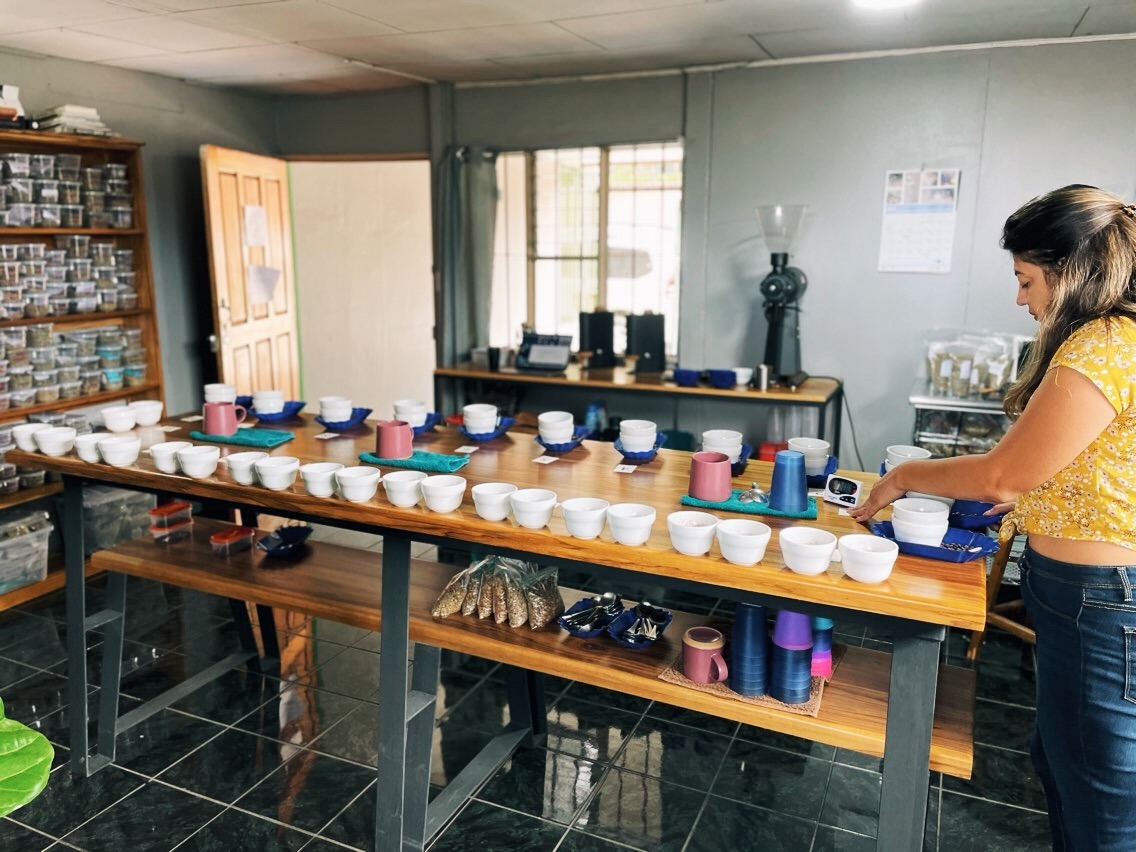 Категория SHB ценится на международном рынке благодаря плотности зерна и более сложному вкусовому профилю
Используются следующие категории:
Prime Washed — 600–900 м,
Extra Prime Washed — 900–1100 м,
Semi-hard Bean — 1100–1200 м,
Hard Bean — 1200–1400 м,
Strictly Hard Bean (SHB) — от 1400 м.
Помимо высотной классификации, применяется система предэкспортной подготовки — American Preparation (US Prep) и European Preparation (EP). Они различаются допустимым количеством дефектов и требованиями к сортировке. Таким образом, обозначение лота включает не только регион и высоту, но и уровень физической подготовки зерна.
Каждый экспортный лот проходит проверку в Anacafé. Организация выдает разрешение на экспорт и контролирует соответствие заявленных характеристик фактическому качеству. Эта система делает гватемальский кофе одним из наиболее стандартизированных по подготовке в Центральной Америке.
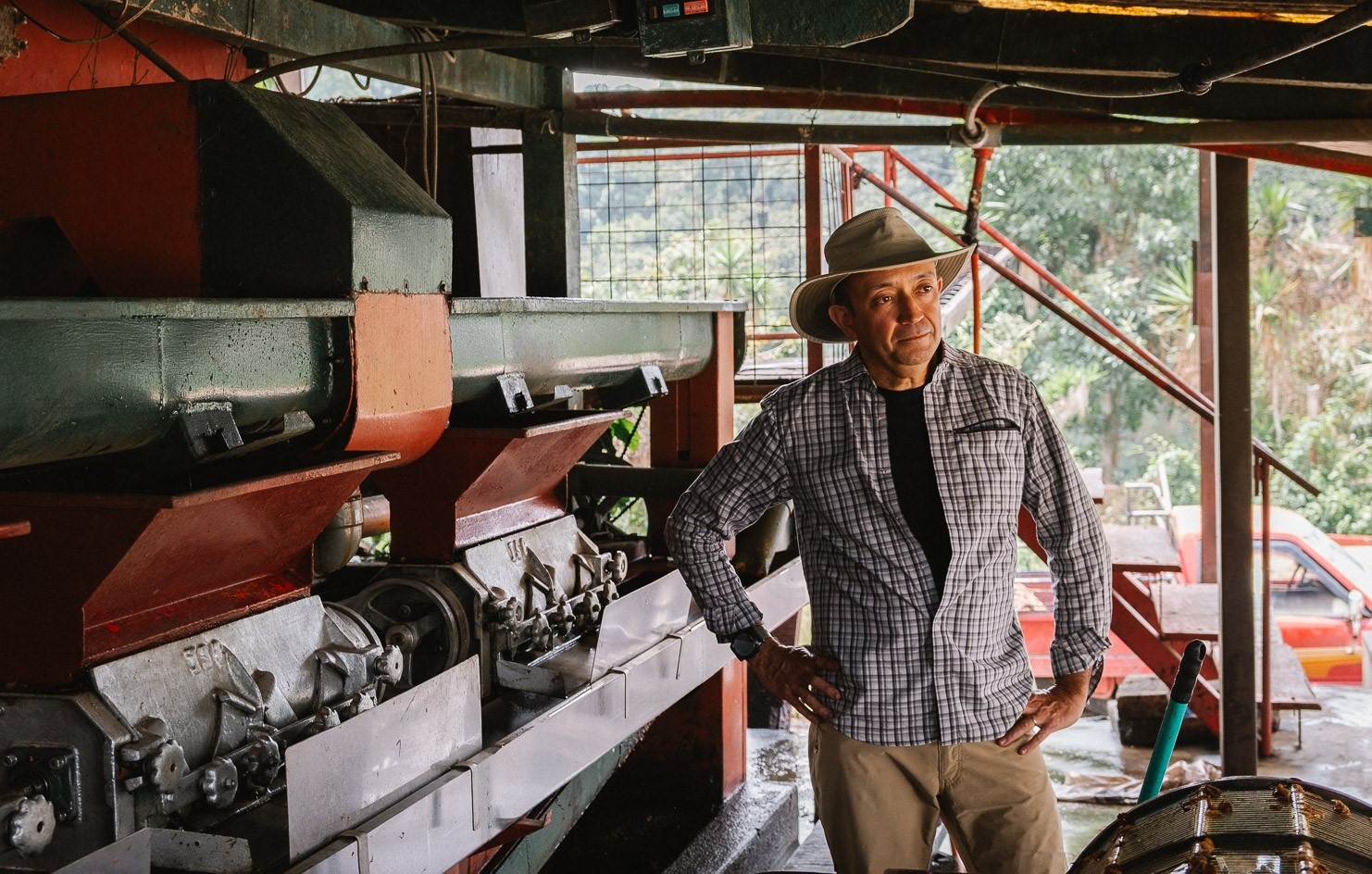 При падении мировых котировок высокая себестоимость производства в Гватемале особенно остро ощущается производителями
Экономика и экспорт
Гватемала ежегодно производит около 3,3–3,5 млн мешков по 60 кг, и большая часть этого объема идет на экспорт. Основные рынки — США, Япония и Канада. Внутреннее потребление остается относительно низким: значительная часть качественного кофе традиционно ориентирована на внешний рынок.
После эпидемии кофейной ржавчины 2012 года объемы производства полностью не восстановились. При этом себестоимость остается относительно высокой: ручной сбор, выращивание в тени и дефицит рабочей силы делают местный кофе дороже по сравнению с частью других стран Центральной Америки.
Однако Гватемала все же сохраняет позицию страны с высоким экспортным стандартом. Контроль качества, региональная дифференциация и классификация по высоте позволяют поддерживать цену местного кофе выше средней за счет региональной идентичности.
Итог
Гватемала — это страна высокогорной арабики с сильной институциональной системой. Здесь почти весь кофе выращивают в тени, собирают вручную и обрабатывают мытым способом.
В отличие от стран, делающих ставку на масштаб, Гватемала выстраивает репутацию через стандартизацию и контроль качества. Для рынка зеленого кофе это означает предсказуемость по подготовке лотов, четкую классификацию и устойчивый спрос на высокогорные категории, особенно SHB.