Как выращивают кофе в Эфиопии
Место Эфиопии в мировой кофейной индустрии
Эфиопия — крупнейший производитель арабики в Африке и одна из ведущих стран мира по объему ее производства. Ежегодно страна производит около 350 тысяч тонн кофе. В кофейной индустрии — от выращивания до торговли — занято почти 20% населения.
Принципиальная особенность Эфиопии — высокий уровень внутреннего потребления кофе. Более половины всего эфиопского зерна остается внутри страны. В результате экспортный рынок получает лишь часть от общего урожая, что напрямую влияет на доступность и цены зеленого кофе.
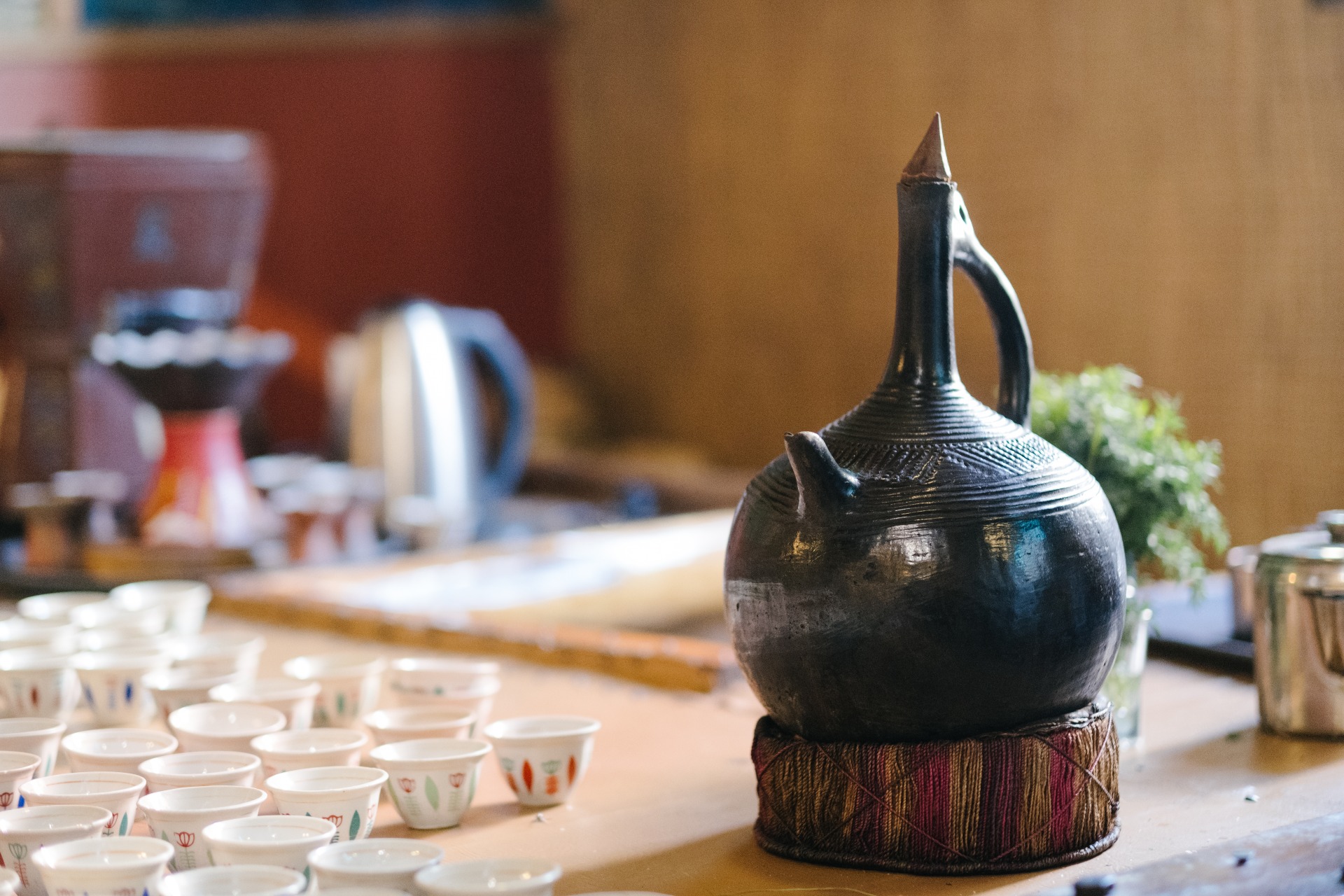 Местные пьют кофе ежедневно, часто несколько раз в день, и в большинстве случаев обжаривают зерно самостоятельно
Для экономики страны кофе остается одним из ключевых источников дохода и объектом постоянного внимания со стороны государства.
Природные условия и терруар
Эфиопия — самая высокогорная страна Африки. Большая часть ее территории расположена на Эфиопском нагорье на высотах от 1500 до 2000 м над уровнем моря. В отдельных регионах высоты превышают 2000 м.
Для страны характерны значительные суточные колебания температур — разница может достигать 15 °С. В таких условиях ягоды созревают медленно, формируется плотное зерно со сложным вкусом и выраженной кислотностью.
Климат и ландшафт Эфиопии сильно варьируют от региона к региону: от влажных тропических лесов в Каффе до засушливых территорий Харрара. Это разнообразие напрямую отражается на стиле кофе и делает страну одной из самых неоднородных в мире с точки зрения вкусовых профилей.
Регионы выращивания
Основные кофепроизводящие регионы Эфиопии сосредоточены в двух административных зонах: Оромии и Регионе Южных национальностей (SNNPR).
В регионе Оромия выделяют зоны:
Харрар,
Лекемпти,
Лиму/Джимма,
Гуджи,
восточную часть Иргачеффа.
В Регионе Южных национальностей:
Каффа,
Сидамо,
западную часть Иргачеффа.
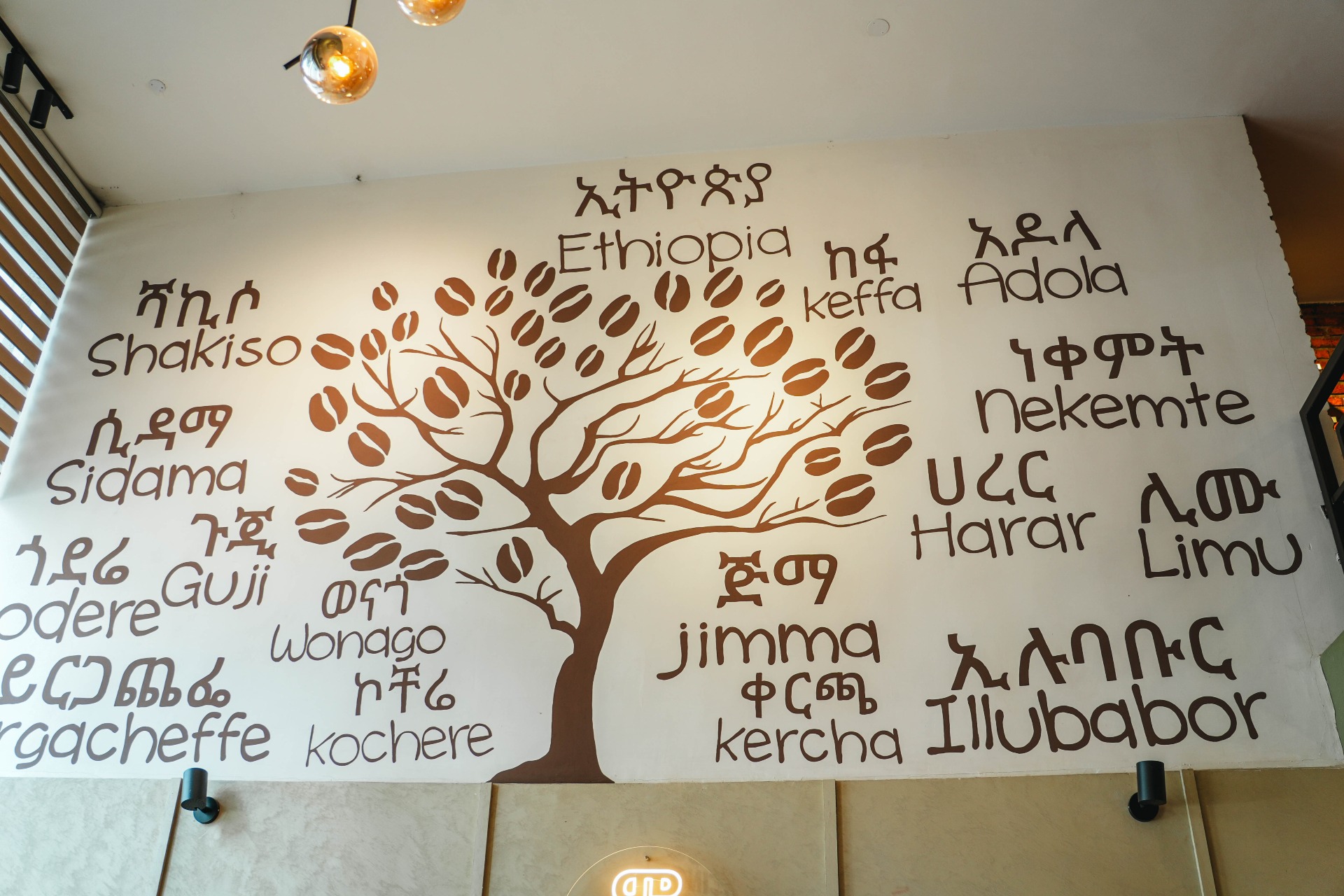
Каждая зона делится на вореды, а затем на кебеле — небольшие территориальные единицы, включающие одну или несколько деревень. Именно на уровне вореды и кебеле формируются различия терруара и практик выращивания, но на экспортном рынке разные партии обычно объединяются в один лот.
Регионы Иргачефф, Гуджи и Сидамо сегодня наиболее популярные: они стабильно выдают высокий вкусовой потенциал. В Каффе и Лекемпти значительная часть кофе растет в лесных и полулесных системах, что влияет на стиль и невысокую урожайность.
Структура производства
Около 95% кофе в Эфиопии выращивают мелкие фермеры. Размер участков обычно составляет от 10 до 20 соток. Кофе выращивают на придомовых территориях, в садах или в лесу, часто в тени естественной растительности.
Крупные фермы площадью в сотни гектаров составляют не более 5% от общего числа хозяйств. Как правило, они имеют собственные станции обработки, склады и могут самостоятельно экспортировать кофе.
У мелких фермеров нет доступа к инфраструктуре для обработки. После сбора урожая они продают ягоды на ближайшую станцию обработки. На этом этапе кофе разных фермеров смешивается, и прослеживаемость до конкретного хозяйства, как правило, теряется.
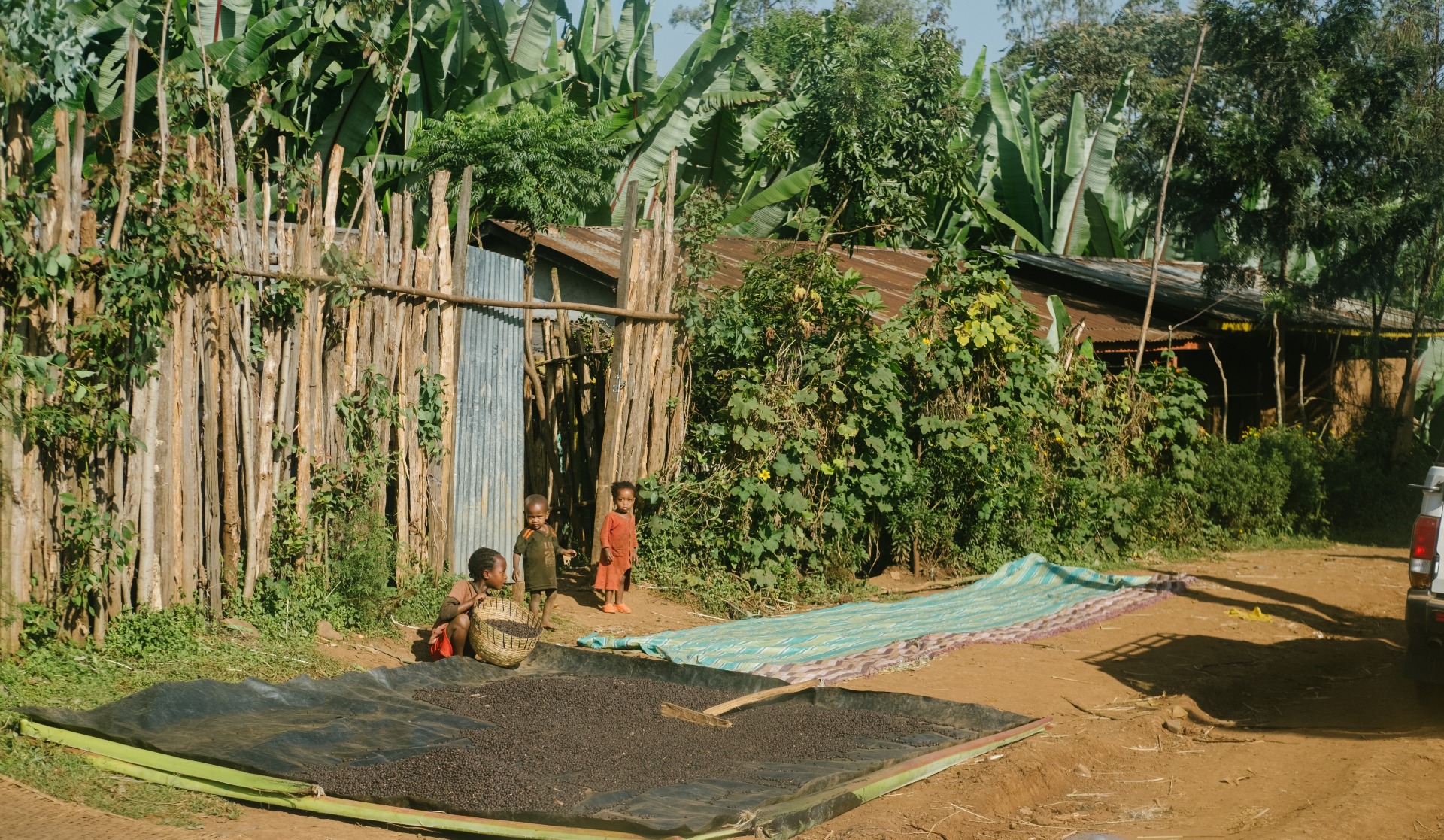 Станции обработки платят фермерам, назначая цену по внешнему виду ягод: чем меньше неспелых, тем большее вознаграждение получает фермер
Генетика и разновидности
Эфиопия — уникальная страна с точки зрения генетики кофе. Здесь произрастают тысячи диких и полудиких разновидностей арабики, многие из которых до сих пор не классифицированы. Именно в Эфиопии были найдены такие разновидности кофе, как гейша, руме судан и вуш-вуш.
Исторически разновидности, выращиваемые фермерами, формировались за счет отбора семян из лесов и обмена ими между регионами. Это привело к огромному разнообразию местных разновидностей.
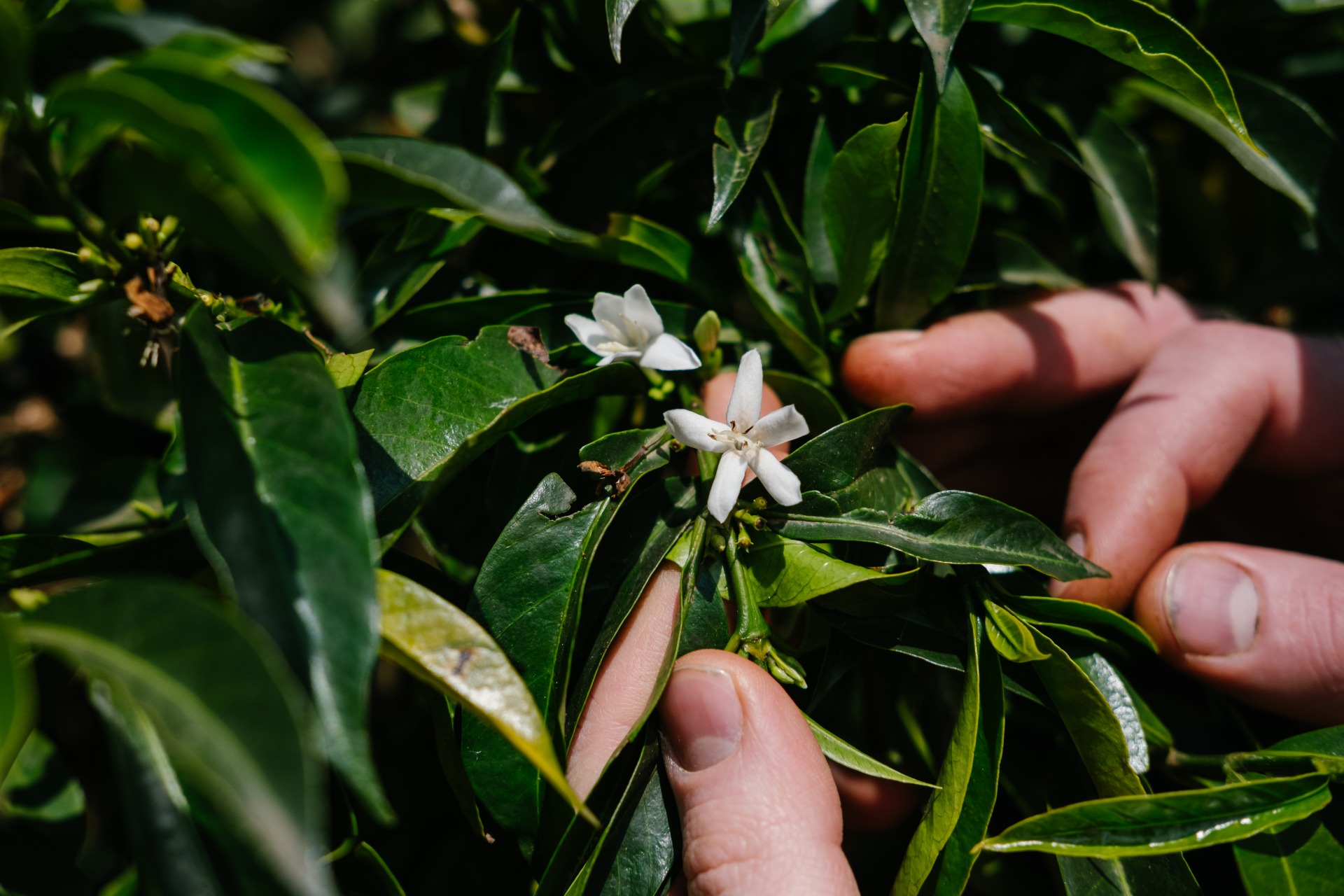 На экспортном рынке разновидности эфиопского кофе часто обозначаются обобщенно, поскольку внутри одного лота могут сочетаться разные генотипы
С 1960-х годов в стране работает научно-исследовательский институт JARC, который занимается селекцией кофе. За время работы он вывел десятки улучшенных разновидностей, устойчивых к болезням и адаптированных к конкретным регионам. Сегодня большинство ферм выращивают смесь местных региональных разновидностей и селекций JARC.
Практики выращивания
Практически весь кофе в Эфиопии выращивают теневым способом — в лесах или под специально высаженными деревьями. Такая система снижает урожайность, но защищает почву от истощения и позволяет обходиться без активного применения удобрений.
Использование агрохимии минимально, чаще по экономическим причинам — у фермеров нет денег на удобрения. В результате урожайность остается низкой, но вкусовой потенциал кофе — высоким.
Урожай кофе в Эфиопии собирают с ноября по февраль. Сроки могут сдвигаться в зависимости от региона и высоты. Сбор урожая осуществляется вручную, чаще всего силами самих фермеров и их семей.
После ягоды должны быть как можно быстрее доставлены на станцию обработки. Задержки напрямую влияют на качество, особенно при мытой обработке.
Обработка кофе
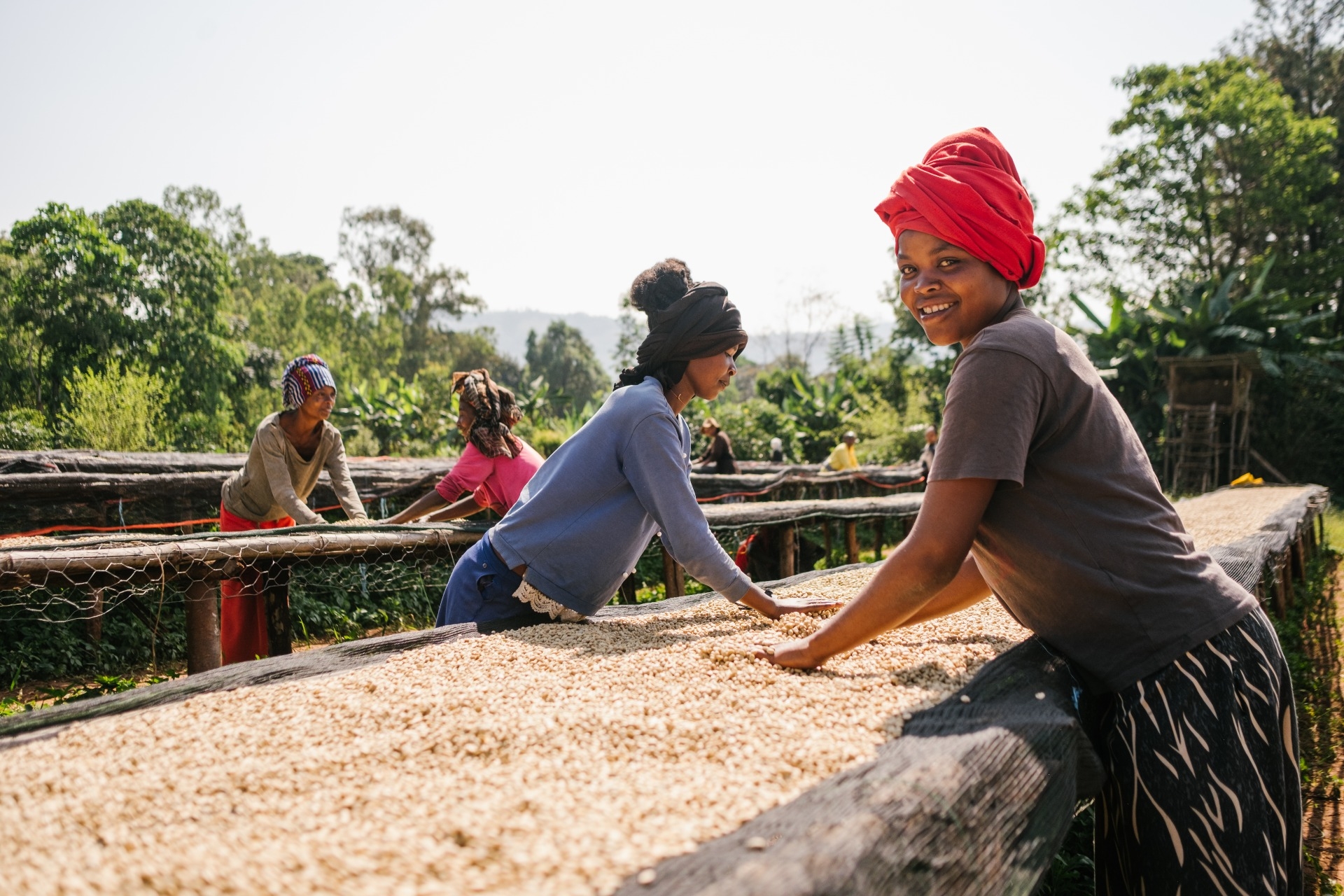
В Эфиопии два основных способа обработки: мытый и натуральный. В обоих случаях используют африканские кровати. Из-за ограниченного пространства станции часто сначала обрабатывают кофе мытым способом, а затем — натуральным, по мере освобождения площадей для сушки.
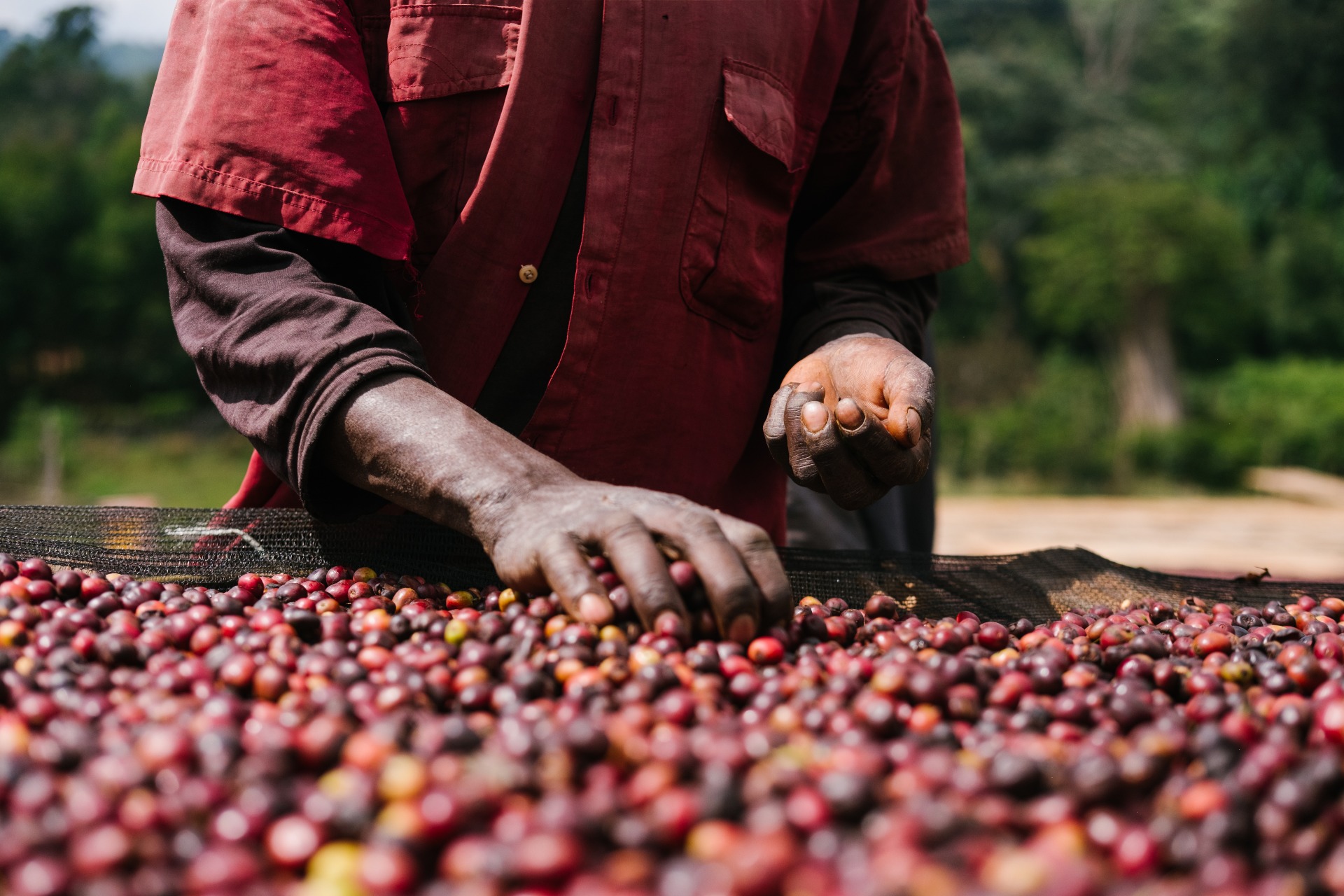 Мытый кофе сушится в среднем около двух недель, натуральный — до месяца
Решение о соотношении обработок станции принимают исходя из спроса предыдущих сезонов и договоренностей с покупателями. Экспериментальные и фанки обработки в последние годы развиваются, но по-прежнему занимают нишевую долю.
Классификация и контроль качества
В Эфиопии используется собственная система классификации кофе, основанная на количестве дефектов и плотности зерна. Кофе делят на восемь грейдов, при этом грейд не является прямым показателем вкуса. Экспортная торговля в первую очередь ориентирована на кофе первых пяти грейдов.
Исторически грейды 1 и 2 ассоциировались с мытым кофе, а более высокие номера — с натуральной обработкой, однако сегодня это разделение не является жестким. Натуральные микролоты высокого качества также могут попадать в первые грейды.
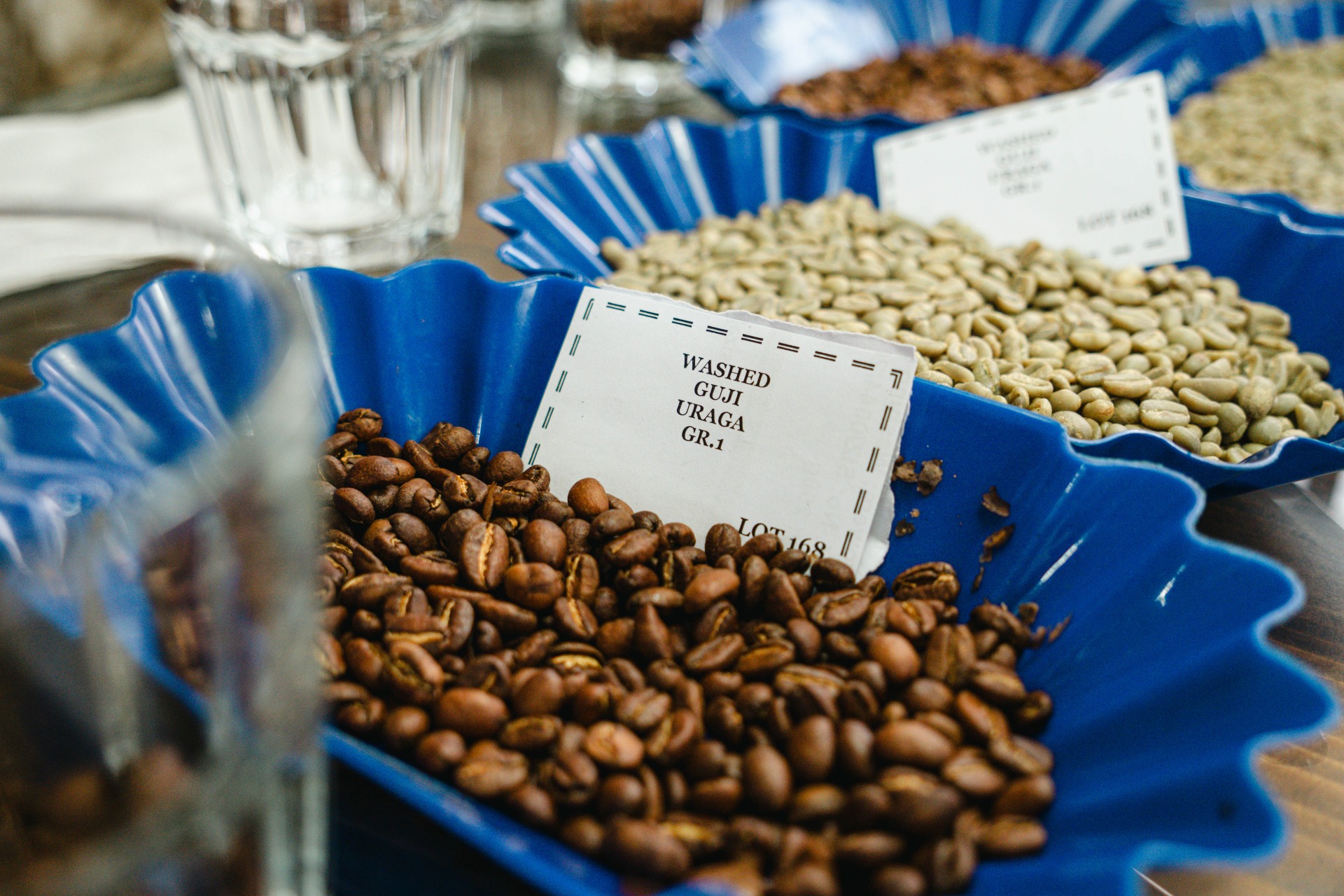 Грейды ниже пятого в экспортной торговле участвуют редко и обычно остаются на внутреннем рынке
В Эфиопии зерно не сортируют по размеру. Основной упор делается на дефектность, а после халлинга кофе дополнительно полируют для удаления остатков шелухи. Контроль соответствия кофе заявленному грейду осуществляет Эфиопская товарная биржа (ECX).
Экономика и экспорт
Эфиопия не имеет выхода к морю. Весь экспорт кофе осуществляется через порт Джибути. В пиковые периоды сезона порт перегружен, и контейнеры с кофе могут ожидать отправки несколько месяцев.
Экспорт кофе жестко регулируется государством. Ключевую роль играет Эфиопская товарная биржа ECX, которая проверяет соответствие кофе заявленному грейду и уровню цен.
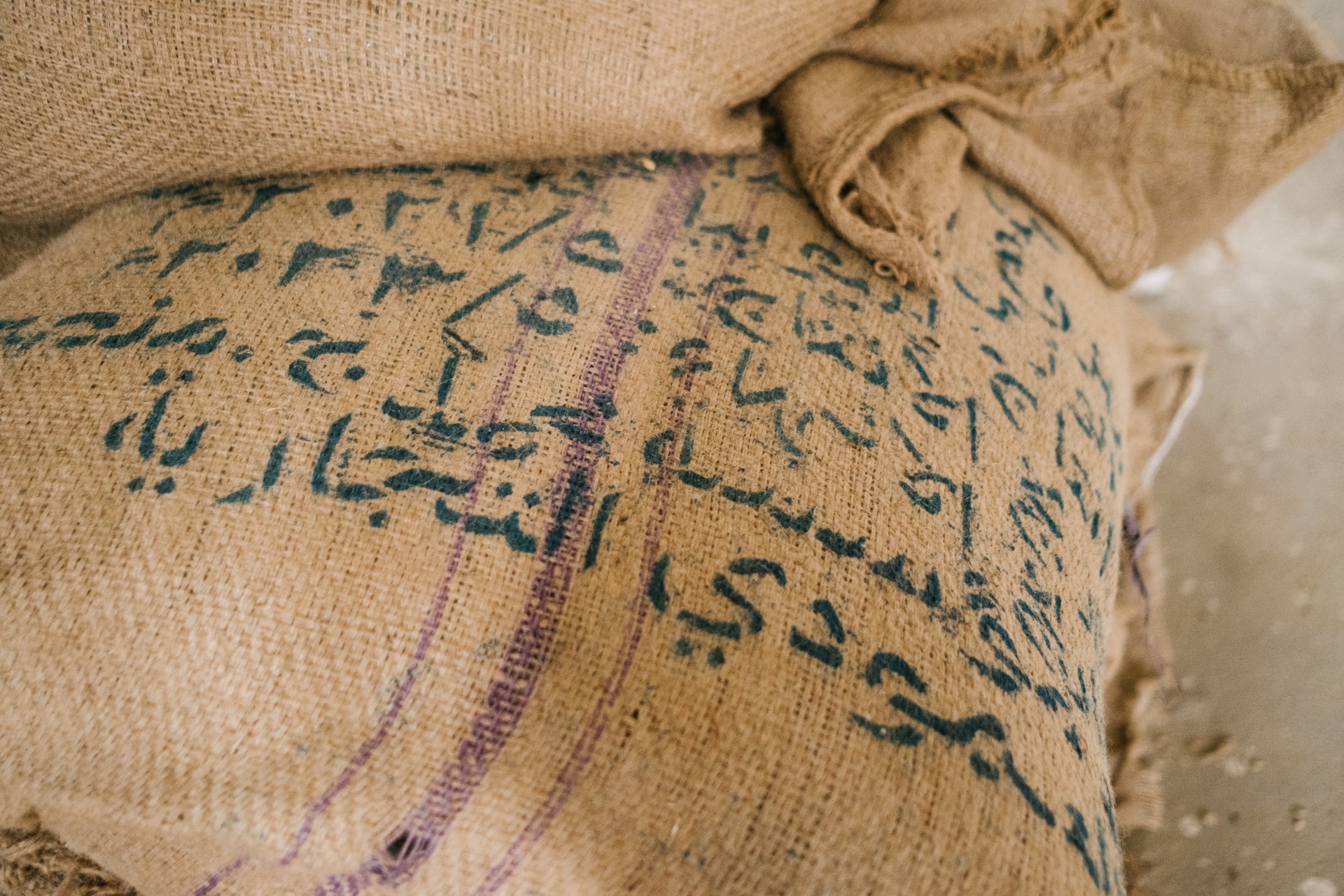 Цена на эфиопский кофе формируется внутри страны и не привязана напрямую к Нью-Йоркской кофейной бирже
Иностранные компании не имеют права владеть кофейным бизнесом в Эфиопии. Все станции обработки, драй-миллы и экспортеры принадлежат местным гражданам. Это усложняет доступ к рынку, но одновременно защищает внутреннюю экономику.
Вызовы и изменения
Основные вызовы для кофейной индустрии Эфиопии — рост цен на ягоды, высокая конкуренция между станциями обработки, логистика и зависимость экономики от валютных поступлений.
Рост числа экспортеров и станций усилил конкуренцию за сырье, что в последние годы привело к резкому подорожанию кофе. При этом высокий уровень внутреннего потребления и ограниченные экспортные объемы делают рынок чувствительным к любым изменениям спроса.
Главное
Эфиопия — самая сложная страна в мировой кофейной индустрии. Здесь нет простой логики «ферма — лот — экспорт». Вместо этого существует система, в которой переплетаются традиции, государственное регулирование, уникальная генетика и рыночные механизмы.
Для рынка зеленого кофе Эфиопия остается источником максимального разнообразия вкусов и одним из ключевых ориентиров качества. Но работа с этой страной требует глубокого понимания контекста, процессов и ограничений.