Как выращивают кофе в Бурунди
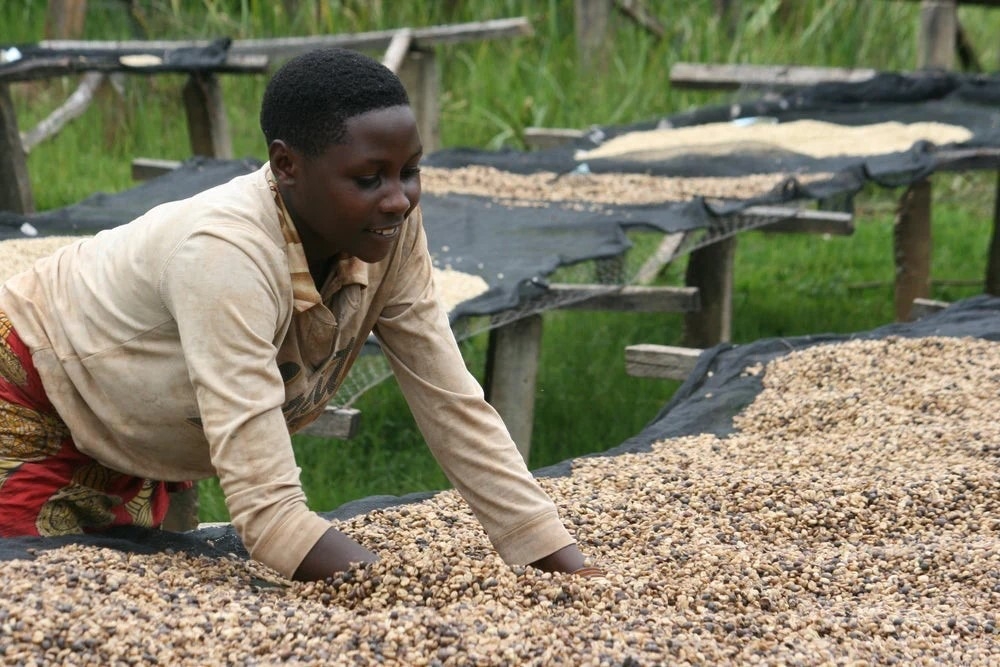
Место Бурунди в мировой кофейной индустрии
Кофе — ключевая экспортная культура Бурунди, на него приходится около трети валютных поступлений страны. При этом Бурунди не относится к крупным мировым производителям: ежегодные объемы производства составляют порядка 150–200 тысяч мешков по 60 кг.
Производство почти полностью сосредоточено на арабике — около 95–97% от общего объема зерна. Робусту выращивают в небольших количествах, и она практически не попадает на международный рынок.
Для мирового рынка Бурунди — это не страна объемов, а страна репутации. Ее кофе ценят за чистый вкус, высокую кислотность и стабильность профиля, особенно в мытых лотах.
Природные условия и терруар
Страна расположена на Восточно-Африканском плато и отличается выраженным холмистым рельефом. Высоты варьируются от 700 до 2700 м над уровнем моря, а большая часть кофейных регионов лежит выше 1500 м.
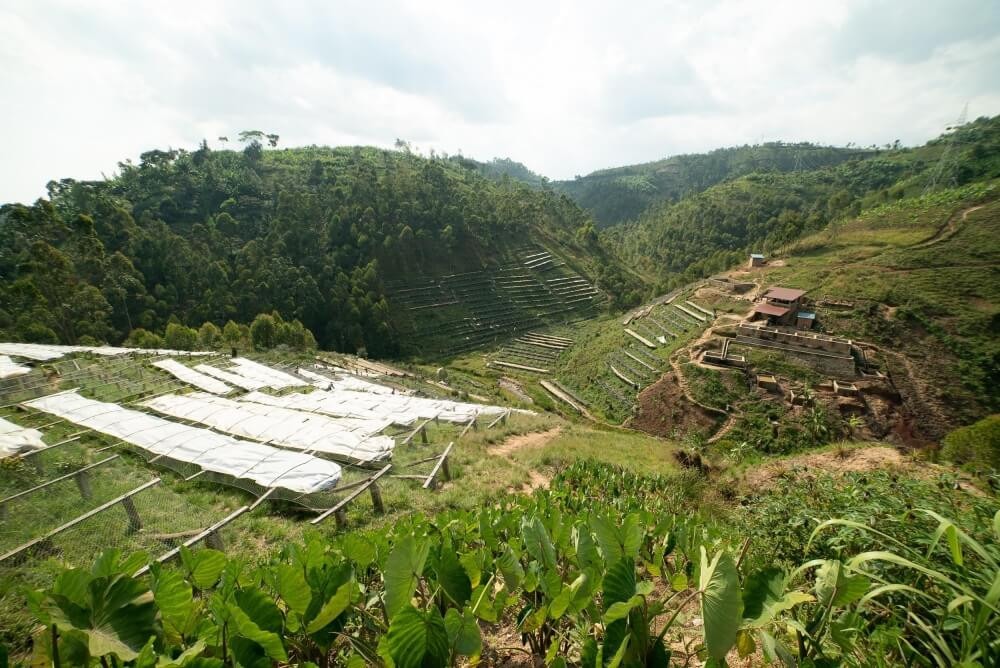 С точки зрения природных условий Бурунди находится в выигрышном положении
Среднегодовая температура в центральных и северных регионах составляет около 20–22 °С. Осадки распределены относительно равномерно, с двумя сезонами дождей. Такие условия позволяют кофейным ягодам созревать медленно и накапливать больше сахаров и кислот.
Почвы в большинстве регионов вулканического происхождения, с хорошим дренажем и высоким содержанием минералов. Это один из факторов, который часто связывают с яркой кислотностью и структурой вкуса бурундийского кофе.
Регионы выращивания
Кофе в Бурунди выращивают по всей стране, однако наиболее известные и стабильные по качеству лоты поступают из северных и северо-восточных регионов:
Буензи — 1700–2000 м. Один из самых продуктивных регионов. Здесь расположены провинции Каянза и Нгози, которые считаются центрами спешелти производства.
Киримиро — 1650–1950 м. Помимо ферм, здесь находится одна из ключевых лабораторий контроля качества.
Мумирва — 1100–2000 м. Регион с более широким диапазоном профилей.
Бверу — около 1800 м.
Бугесера — 1400–1700 м.
Именно из этих регионов чаще всего происходят лоты, получающие высокие оценки на международных каппингах и конкурсах.
Структура производства
Кофейная индустрия Бурунди основана на сверхмелком фермерстве. В стране насчитывается от 600 до 800 тысяч производителей кофе. Большинство из них владеют участками менее 1 га и выращивают кофе в тени других культур.
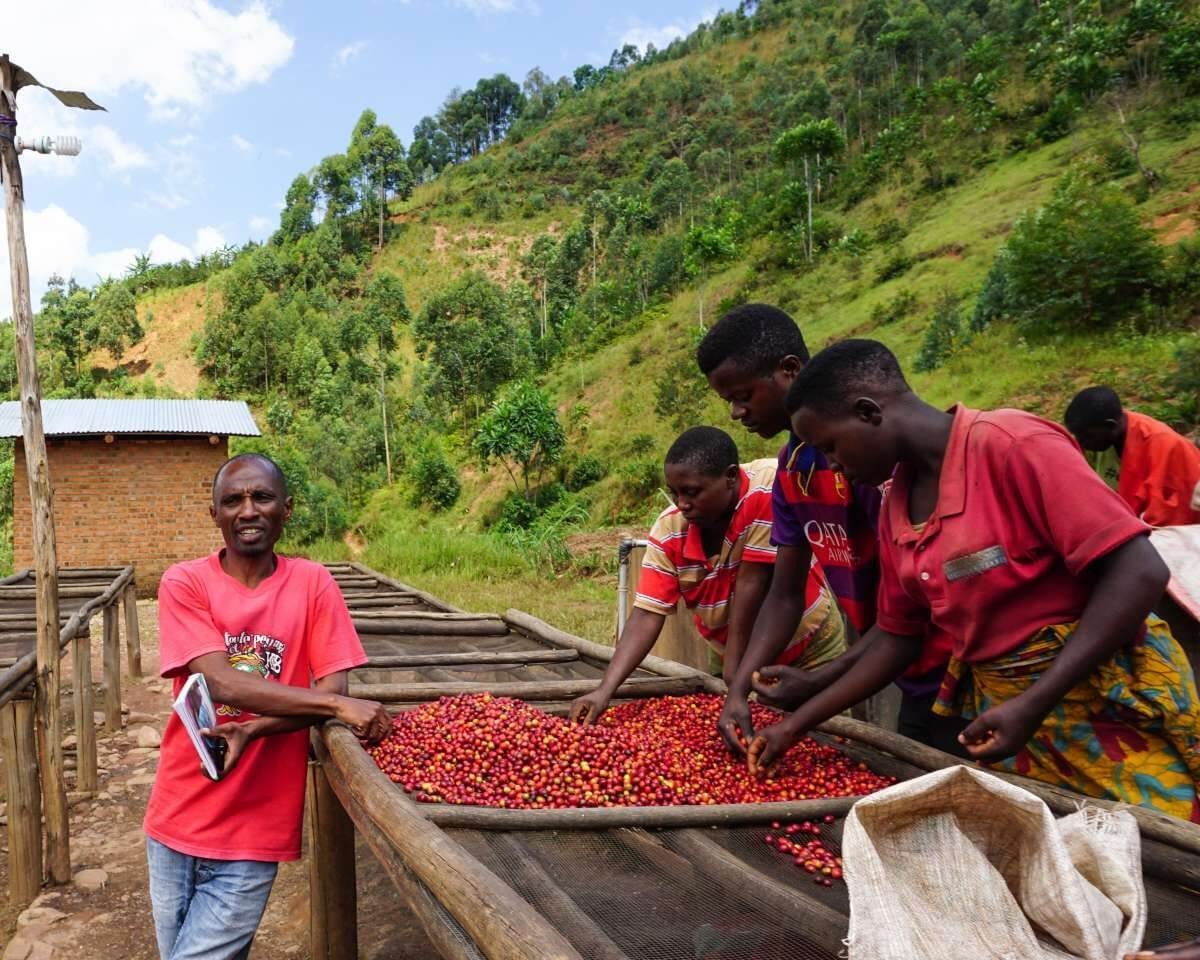 Примерно 90% бурундийцев работают в сельском хозяйстве
Сбор урожая полностью ручной. Небольшие объемы производства на уровне одного хозяйства делают цену ошибки высокой: чтобы получить достойную оплату, фермеры вынуждены уделять внимание выборочному сбору и первичной сортировке ягод.
После сбора урожай почти всегда доставляют на станции обработки. Самостоятельная обработка на фермах практически не распространена. Это одна из причин, по которой бурундийский кофе отличается высокой однородностью и чистотой вкуса.
Государственное регулирование
По сравнению с большинством стран Восточной Африки кофейная индустрия Бурунди гораздо жестче контролируется государством. Ключевую роль играет Управление по развитию кофе Бурунди — ODECA.
ODECA не только регулирует отрасль, но и напрямую участвует в операционной деятельности. Организация владеет и управляет станциями обработки, драй-миллами, обжарочными мощностями и экспортными компаниями. Кроме того, она утверждает экспортные контракты и устанавливает минимальные цены.
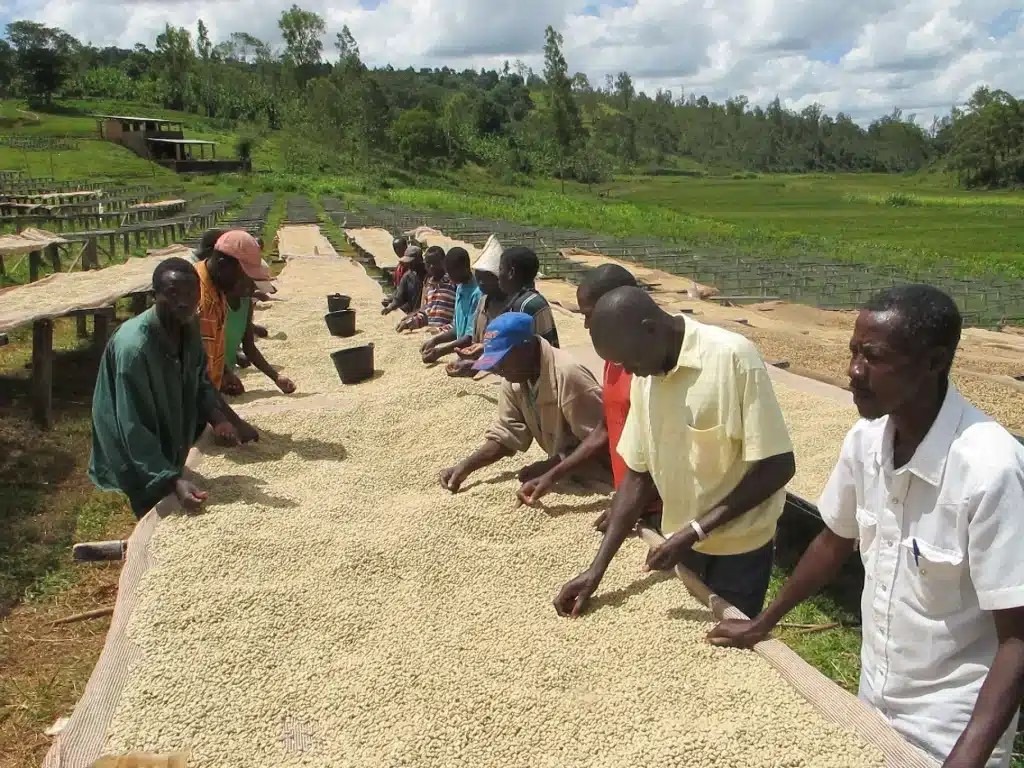 Жесткое государственное регулирование контрастирует с теми странами, где доминирует частный сектор, — например, Руандой и Угандой
Такая модель снижает гибкость рынка и усложняет работу для покупателей зеленого кофе, но одновременно обеспечивает стабильный контроль качества и уменьшает риск попадания на экспорт откровенно слабых лотов.
Генетика и разновидности
Практически вся арабика в Бурунди представлена бурбоном и его локальными производными. Наиболее распространены красный бурбон, а также разновидности джексон и маягуэс.
Однородность генетики — еще одна характерная черта страны. С одной стороны, это ограничивает разнообразие вкусовых профилей. С другой — позволяет стабильно воспроизводить узнаваемый стиль: яркая кислотность, плотное тело, чистый и читаемый вкус.
Практики выращивания
Кофе в Бурунди выращивают в традиционных агросистемах, чаще всего без активного применения удобрений и средств защиты растений. В большинстве случаев это связано не с сертифицированным органическим подходом, а с бедностью.
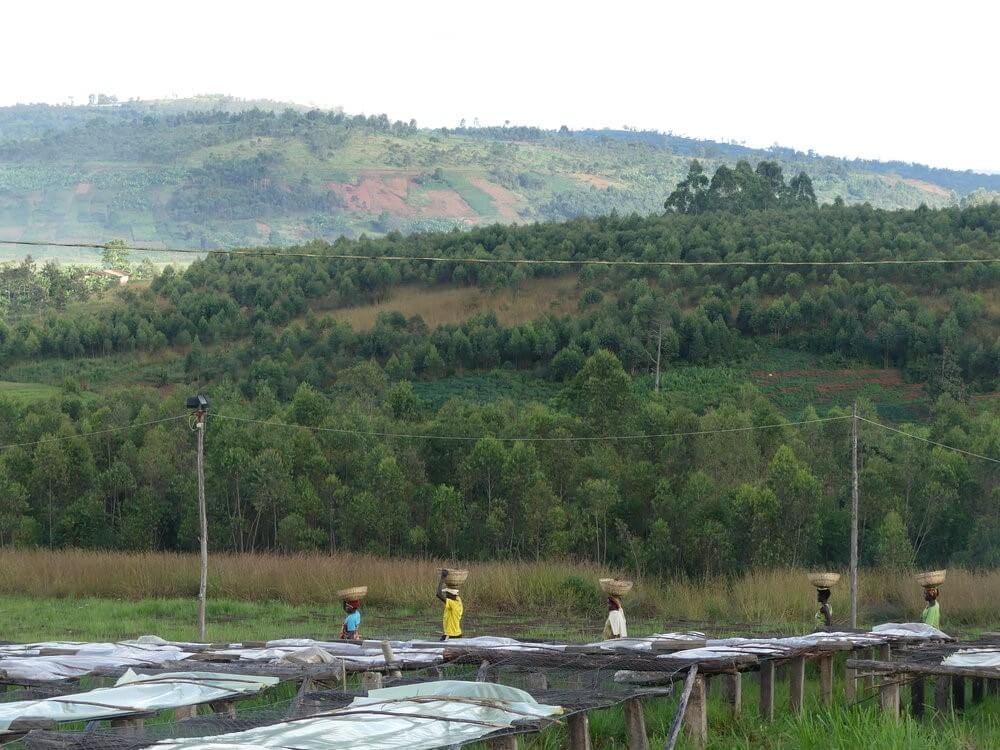 Отсутствие удобрений в сочетании с большими высотами положительно сказывается на качестве зерна, так как ягоды созревают медленно
Обучение фермеров чаще всего проводится не в формате классических курсов, а прямо на станциях обработки. Такой подход позволяет быстрее внедрять практические навыки и стандарты качества.
Сбор урожая и обработка
Из-за небольших объемов производства на уровне отдельных хозяйств фермеры, как правило, заинтересованы в сборе только спелых ягод. Это не означает, что селективность везде идеальна, но в среднем уровень сбора в Бурунди выше, чем в странах с более массовым производством. Дополнительную роль играет строгая приемка ягод на станциях обработки.
Доминирующий способ обработки зерна в Бурунди — мытый. При этом широко используется метод двойной ферментации: после удаления мякоти кофе повторно замачивают в чистой воде для полного удаления остатков клейковины.
Такая схема требует больше времени и ресурсов, но позволяет получить максимально чистый и яркий профиль. Именно с этим часто связывают высокую кислотность и прозрачность вкуса бурундийских лотов.
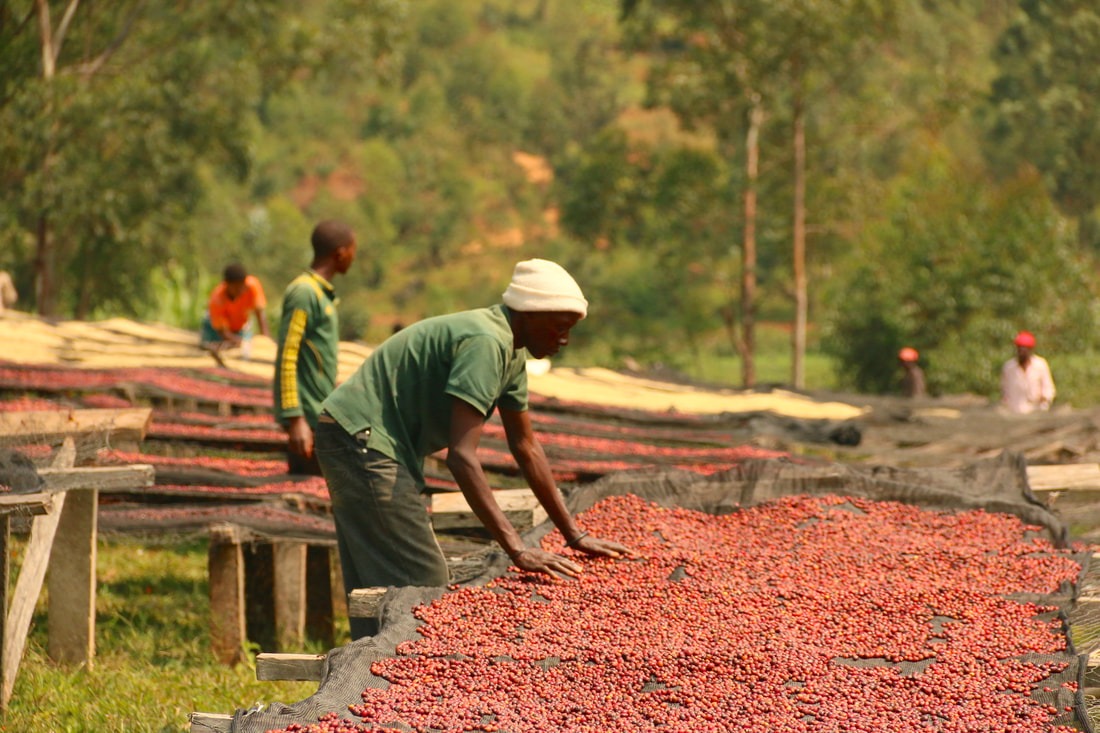 Натуральная обработка встречается значительно реже и занимает небольшую долю от общего объема производства
Классификация и контроль качества
Классификация кофе в Бурунди основана на размере зерна и качестве чашки. На экспорт допускаются разные грейды, однако приоритет отдается мытым лотам высокого качества от 15 скрина и выше.
Контроль качества осуществляет ODECA. В распоряжении организации находятся специализированные лаборатории, где кофе проверяют перед экспортом.
Экономика и экспорт
Бурунди не имеет выхода к морю, поэтому экспорт кофе связан с логистическими сложностями. Зерно вывозят через соседние страны, что увеличивает сроки и стоимость поставок.
Около 40% экспорта проходит через структуры, связанные с ODECA, еще примерно 30% приходится на частных экспортеров и около 30% — на кооперативы. Все экспортные контракты подлежат государственному одобрению, а минимальные цены устанавливаются централизованно.
Такая система снижает гибкость переговоров, но одновременно защищает фермеров от резких ценовых колебаний.
Вызовы и изменения
Ключевые проблемы кофейной индустрии Бурунди — бедность населения, ограниченный доступ к финансированию, логистика и высокая зависимость экономики от одной культуры.
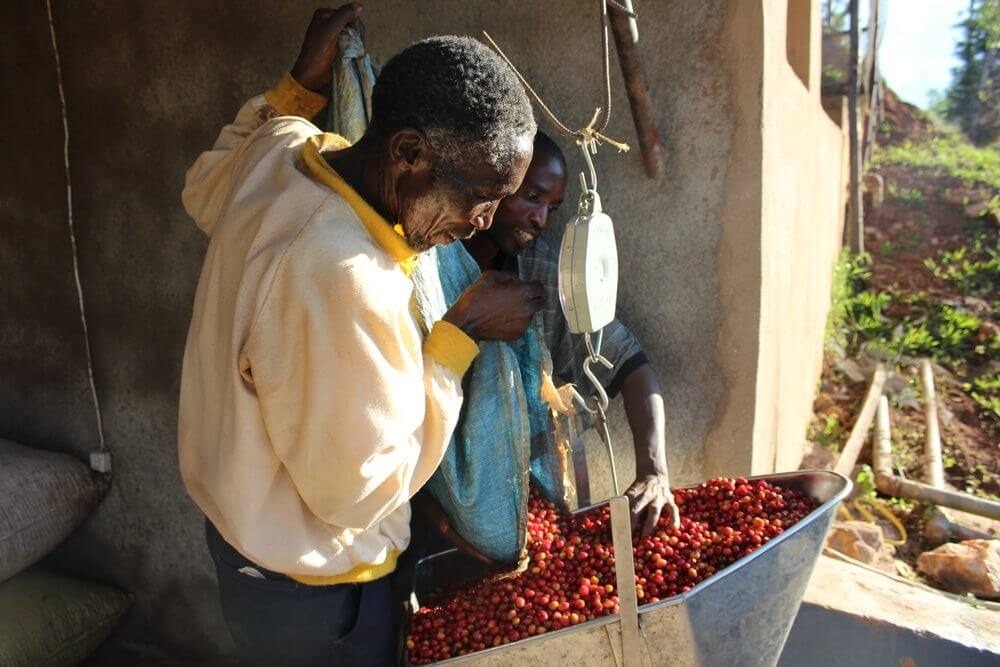 Любые климатические или рыночные потрясения быстро отражаются на всей стране
При этом за последние годы заметен устойчивый фокус на спешелти сегменте. Инвестиции в обучение фермеров, строгий контроль качества и развитие прослеживаемости позволяют Бурунди сохранять сильную позицию на нишевом рынке.
Итог
Бурунди — это страна с небольшими объемами, но высокой концентрацией качества. Жесткое государственное регулирование здесь скорее сдерживает развитие, чем стимулирует его, но одновременно создает стабильность и предсказуемость продукта.
Для рынка зеленого кофе Бурунди остается надежным источником чистой, яркой арабики с узнаваемым стилем и минимальными сюрпризами в чашке — даже если путь этого кофе от станции обработки до порта оказывается длиннее, чем хотелось бы.