Как выращивают кофе в Бразилии
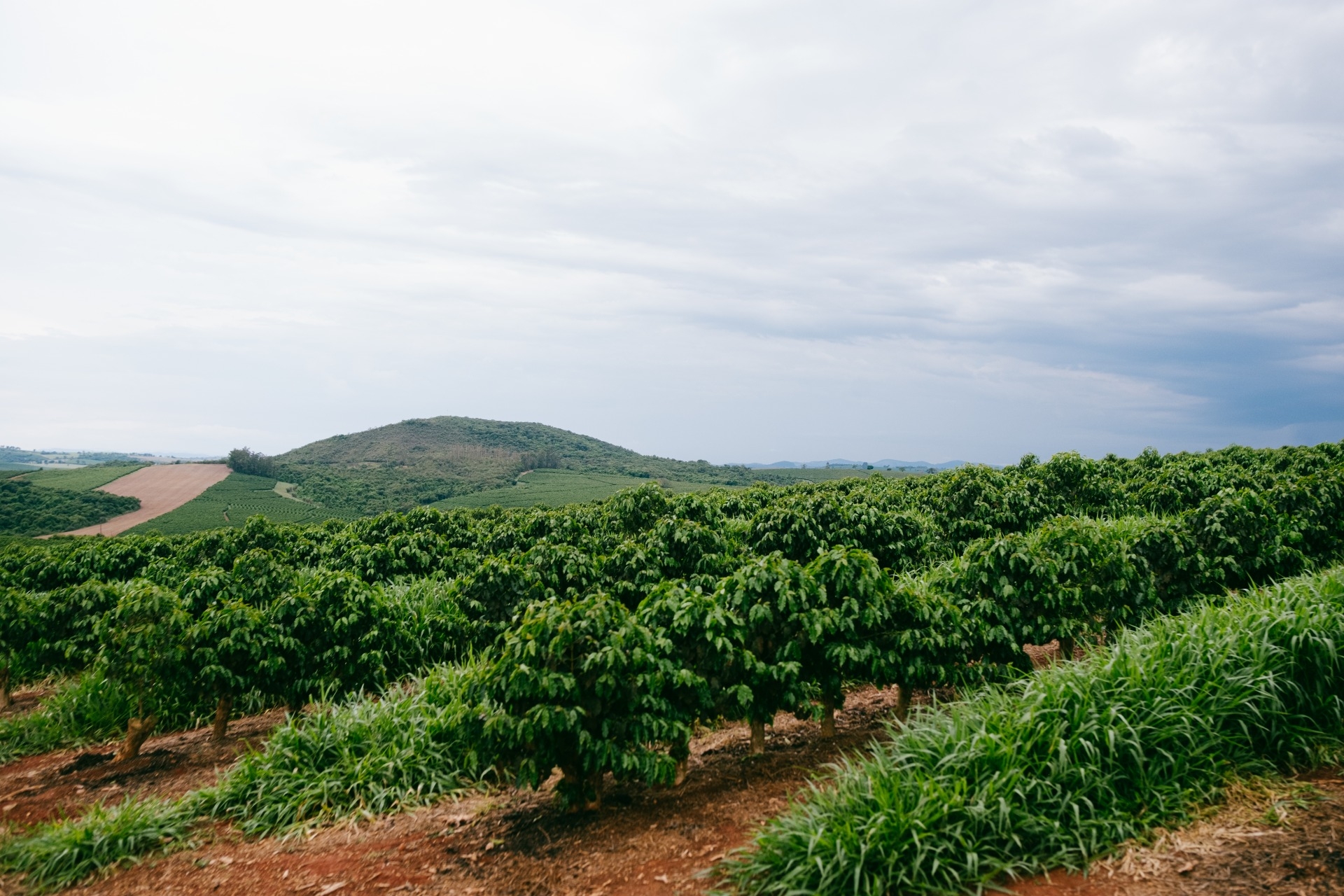
Место Бразилии в мировой кофейной индустрии
Ежегодное производство кофе в Бразилии колеблется в диапазоне 55–65 млн мешков по 60 кг. Около 70–80% приходится на арабику, остальное — на робусту (конилоны), которую в основном выращивают в штатах Эспириту-Санту и Рондония. Бразилия — это ключевой поставщик арабики натуральной обработки в мире.
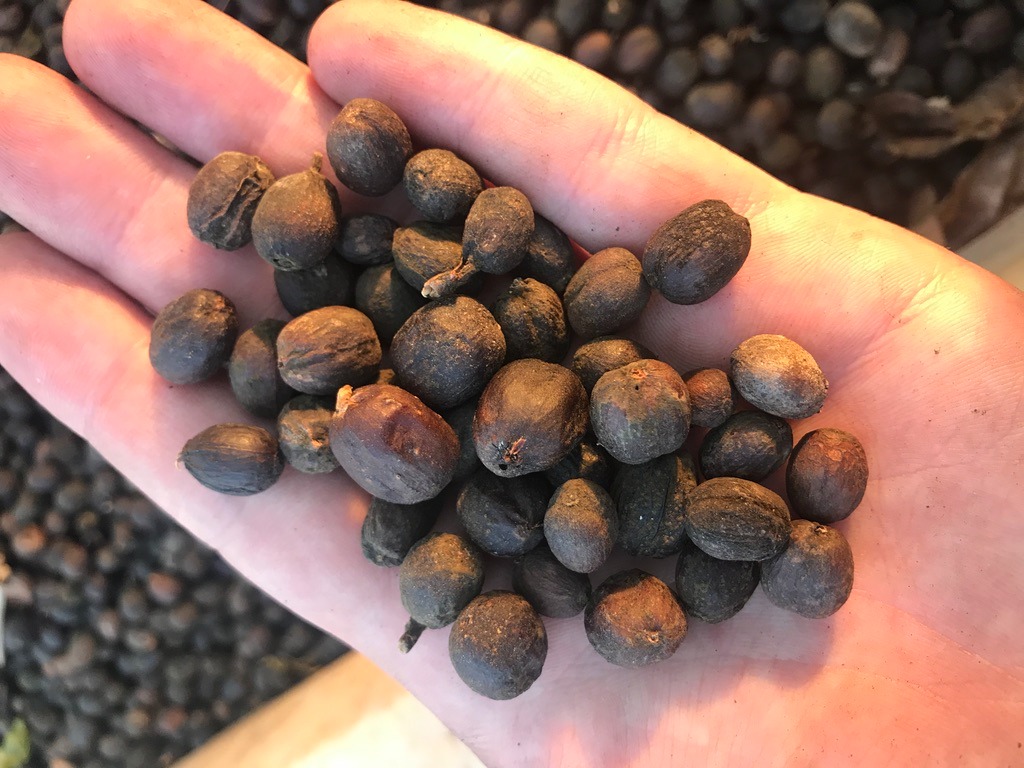 Значительная часть мировых эспрессо-блендов строится на бразильской базе благодаря ее сладкому орехово-шоколадному профилю, плотному телу и низкой кислотности
Кроме того, бразильская арабика играет важную роль в формировании биржевого рынка. Контракт на арабику на Нью-Йоркской бирже исторически ориентирован на физические параметры, характерные именно для бразильского кофе. Поэтому погодные риски в Минас-Жерайсе или Серрадо напрямую отражаются на котировках биржи.
Страна активно потребляет кофе: внутренний рынок — один из крупнейших в мире. Однако лоты с более высоким качеством в первую очередь ориентированы на экспорт. Основные рынки сбыта — США, Европа и Азия.
География и терруар
Кофейные регионы Бразилии сосредоточены в юго-восточной части страны. Главные штаты, где выращивают арабику, — Минас-Жерайс и Сан-Паулу. Внутри них выделяются зоны Суль-де-Минас, Серрадо Минейро, Можиана и др.
Высоты обычно находятся в диапазоне 800–1200 м над уровнем моря. Это ниже, чем в Колумбии или Гватемале, и потенциал яркой кислотности здесь ограничен природно.
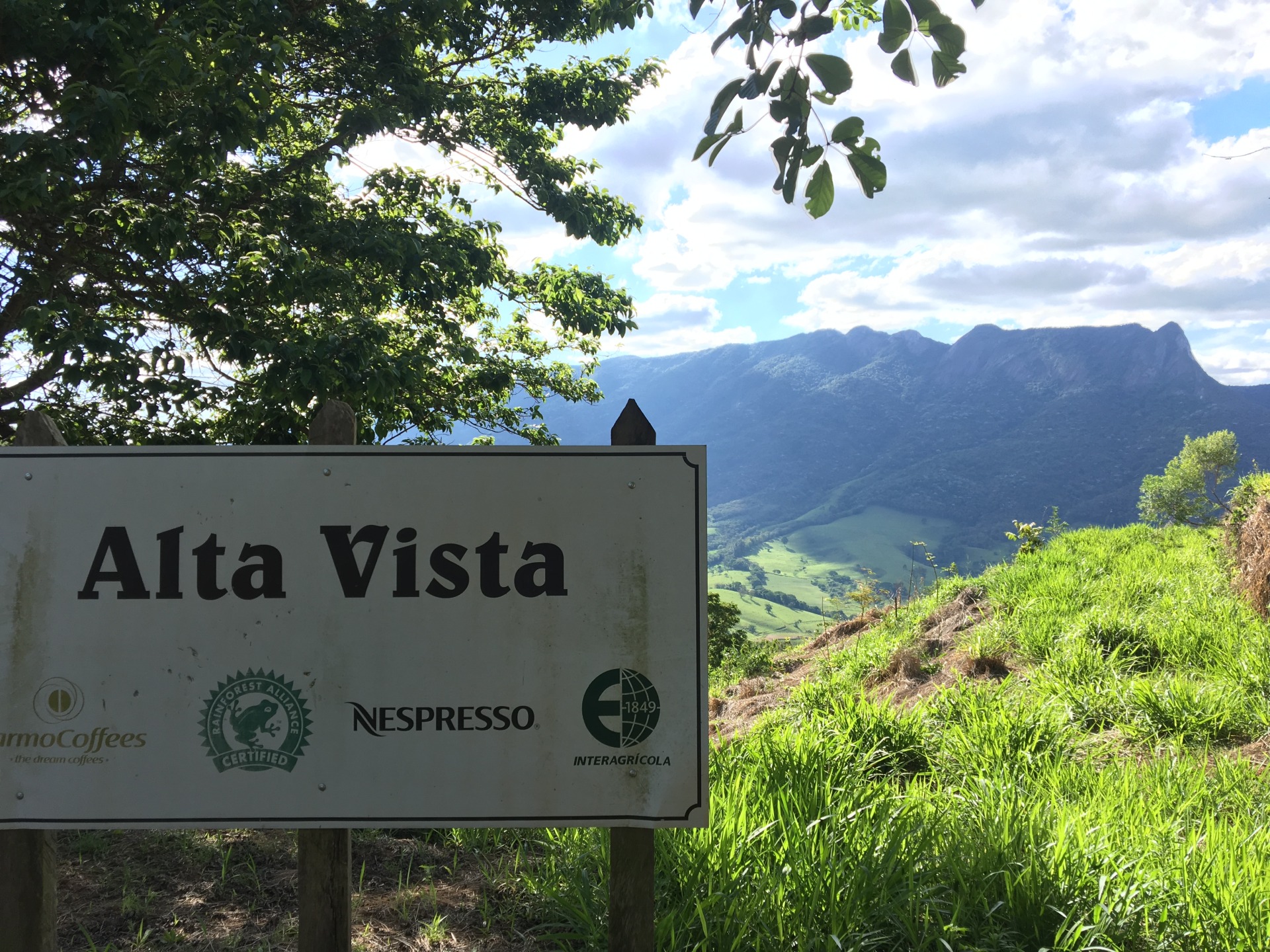 Низкие высоты имеют и свои плюсы: кофе равномерно созревает, а сухой сезон во время уборки позволяет получать стабильное по физике и вкусу зерно
Климат характеризуется четким разделением сухого и влажного сезонов. После окончания дождей происходит массовое цветение, а затем относительно равномерное созревание ягод. Во многих регионах начинается почти одновременно, что упрощает планирование логистики и экспортных программ.
Почти весь кофе выращивается под открытым солнцем без теневых деревьев. Такая модель повышает урожайность, но ускоряет истощение почвы. Поэтому фермеры активно используют удобрения и агрономический контроль.
Несмотря на общую репутацию «солнечной равнинной» страны, внутри Бразилии есть заметные различия. Например, Серрадо Минейро — регион с сухим климатом и четко выраженным сезоном сбора, а Суль-де-Минас отличается большей вариативностью высот и микроклиматов. Здесь чаще встречаются более комплексные лоты, в том числе микролоты с более выраженной кислотностью и фруктовыми оттенками. Можиана традиционно ассоциируется с классическим «бразильским» профилем — мягким, сладким и сбалансированным.
Структура производства
В Бразилии около 200–300 тысяч кофейных хозяйств. Несмотря на стереотип о доминировании гигантских плантаций, значительная часть ферм — мелкие и средние. Однако именно крупные фермы формируют основной объем производства.
Рельеф позволяет широко использовать механизированный сбор. В равнинных регионах комбайны проходят по рядам деревьев, снимая одновременно ягоды разной степени зрелости.
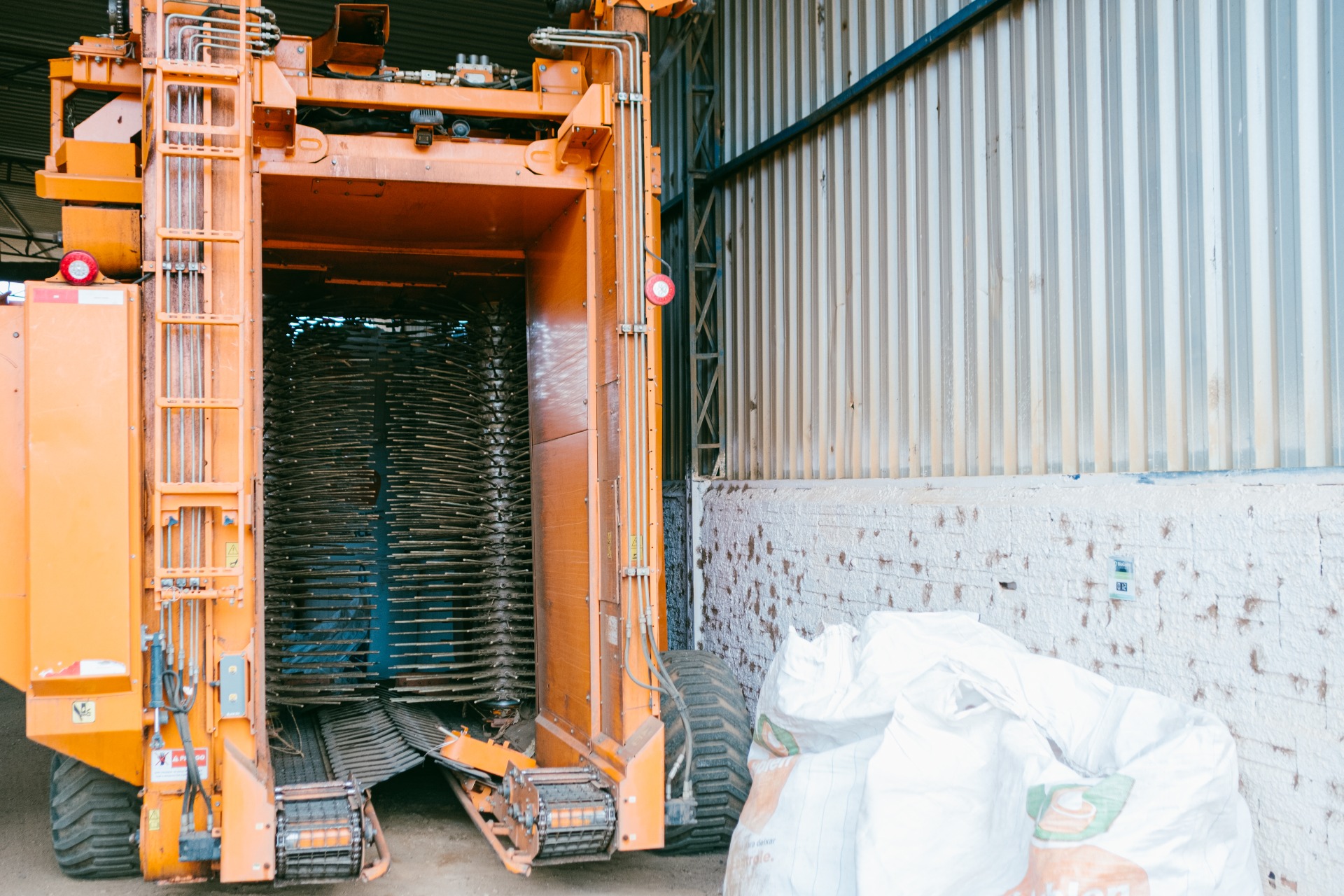 Механизация сбор снижает затраты и увеличивает скорость сбора, но влияет на однородность сырья
При этом механизация в Бразилии сочетается с высокой степенью сортировки. Даже при механическом сборе партии проходят тщательную физическую отборку на ферме и на драй-миллах. В результате массовые лоты часто отличаются ровным размером зерна и стабильными физическими параметрами, что делает их предсказуемыми в обжарке.
На более высоких и неровных участках применяется ручной сбор. Именно такие фермы чаще работают в сегменте микролотов, где контроль зрелости ягод напрямую влияет на качество чашки.
Средняя урожайность в Бразилии выше, чем в большинстве стран мира. Это результат механизации, селекции и интенсивной агрономии.
После сбора кофе чаще всего сушат на ферме — на бетонных патио или в механических сушилках. Затем партия отправляется на драй-милл, где проходит очистку, калибровку и подготовку к экспорту.
Генетика и разновидности
Бразилия — один из мировых центров селекции кофе. Ключевую роль играет Агрономический институт Кампинаса (IAC), основанный в 19-м веке.
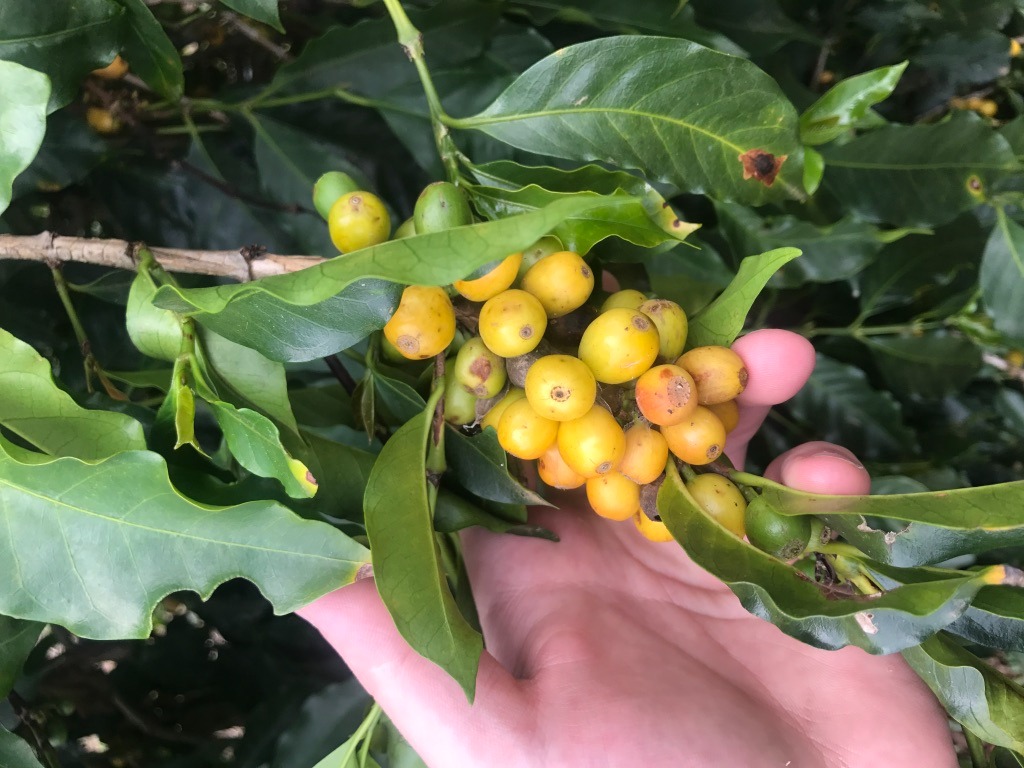 Около 90% арабики в стране происходит от разновидностей, выведенных в институте Кампинаса
Исторически в стране выращивали типику и бурбон. Позже широкое распространение получили мундо ново и катуаи — гибриды, сочетающие урожайность и устойчивость к болезням. Мундо ново отличается высокой производительностью, катуаи — компактностью и удобством для плотных посадок и механизированного сбора.
Селекция в Бразилии всегда была направлена на три задачи: урожайность, устойчивость к болезням и адаптацию к интенсивной системе выращивания. В результате появились разновидности обата, арара, катигуа, топазио и др. Многие из них устойчивы к кофейной ржавчине и подходят для механизированных ферм.
В последние годы часть производителей высаживает более редкие разновидности — например желтый бурбон, марагоджип и другие селекционные линии. На отдельных фермах появляются и популярные международные разновидности, такие как гейша. Однако их доля в общем объеме остается небольшой и сосредоточена в сегменте спешелти и лотов для чемпионатов.
Обработка
Бразилия — мировой ориентир натуральной обработки. Сухой сезон совпадает со сбором урожая, поэтому ягоды можно безопасно сушить на патио под солнцем.
Натуральную обработку здесь часто проводят в два этапа: сначала сушат ягоды на открытых площадках, затем доводят влажность до нужных показателей в механических сушилках.
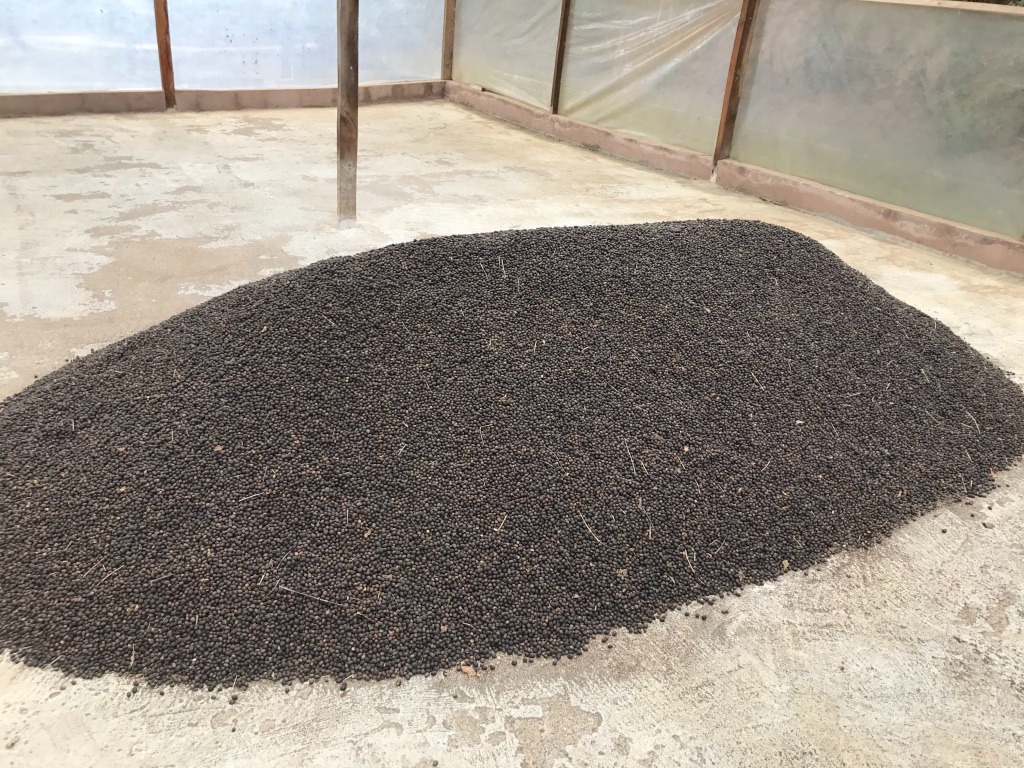 Некоторые фермы дополнительно стабилизируют зерно после сушки, выдерживая его при контролируемой температуре
Широко используется и палп-нэчурал, в Бразилии его часто называют хани. При этом методе с ягоды снимают кожицу и большую часть мякоти, но зерно сушится без полной промывки. Это ускоряет процесс и снижает риск дефектов по сравнению с классическим натуральным способом.
В спешелти сегменте растет интерес к контролируемой ферментации и фанки методам, однако в масштабах страны основой остается чистая и технологичная натуральная обработка.
Классификация и предэкспортная подготовка
После сушки кофе попадает на драй-милл: там его шелушат, сортируют по размеру, плотности и количеству дефектов. Крупные кооперативы формируют партии в зависимости от физического и вкусового профиля.
Бразильская система классификации отличается от стандартов SCA и исторически связана с требованиями биржи Нью-Йорка. В обозначении лота могут указываться регион, уровень дефектов (NY2, NY3 и др.), размер зерна, например screen 17/18 , а также вкусовая категория — Strictly Soft, Soft, Hard.
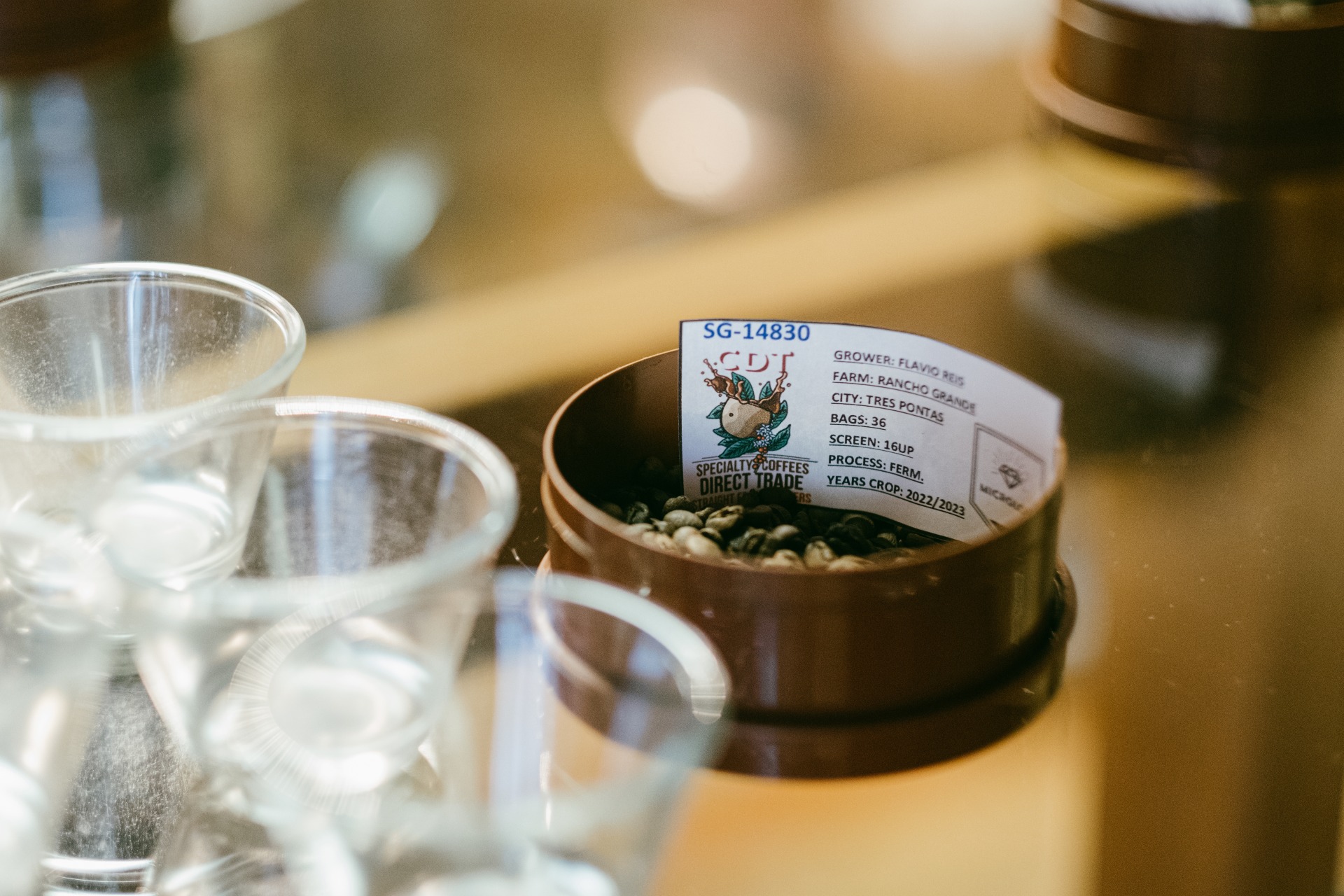 Вкусовые категории описывают чистоту и характер чашки
Внутри кооперативов часто действует дополнительное разделение: базовые региональные лоты, программы 84+ или 85+, а также микролоты с отдельной прослеживаемостью. Конкурсы Cup of Excellence и внутренние спешелти программы стимулируют производителей выделять лучшие партии и продавать их отдельно от массового экспорта.
Экономика и экспорт
Бразилия обладает развитой инфраструктурой хранения и экспорта. Крупные кооперативы управляют драй-миллами, складами и логистикой. Кофе часто хранится в силосах и отгружается по контрактам в течение года, что позволяет равномерно распределять поставки.
Высокая механизация и масштаб производства снижают себестоимость по сравнению с большинством стран Латинской Америки. Это позволяет Бразилии конкурировать объемом, стабильностью и ценой.
Одновременно развивается сегмент спешелти. Часть производителей инвестирует в ручной сбор, селекцию и точную обработку, работает с микролотами и программами прослеживаемости.
 Внутри одной страны сосуществуют две модели: крупные стандартизированные поставки для мировых блендов и более дифференцированные партии для рынка спешелти
Из-за огромных объемов производство в стране напрямую влияет на мировые котировки. Заморозки, засухи или переизбыток урожая отражаются на глобальном рынке и формируют ценовую динамику для всей арабики.
Итог
Бразилия — крупнейший и наиболее технологичный производитель кофе в мире. Небольшие высоты, солнечная система выращивания и механизированный сбор формируют профиль с низкой кислотностью и выраженной сладостью, который стал основой для мировой индустрии эспрессо.
Масштаб производства в стране сочетается с развитой селекцией, стандартизированной классификацией и сильной экспортной инфраструктурой. Это делает Бразилию фундаментом мирового рынка арабики — страной, от которой во многом зависит стабильность мировых цен на кофе.
Одновременно внутри этой системы растет сегмент более сложных и дифференцированных лотов — он расширяет представление о возможностях бразильского кофе за пределами классического профиля.