Как выращивают кофе в Боливии
Место Боливии в мировой кофейной индустрии
Боливия занимает место во второй половине мирового рейтинга производителей кофе — примерно 35–40 позицию по объему. Годовое производство оценивается в пределах 100–150 тысяч мешков по 60 кг. Это один из самых маленьких показателей в Южной Америке. Практически весь производимый кофе — арабика.
За последнее десятилетие объемы сократились почти в четыре раза. Причины комплексные: старение посадок, вспышки кофейной ржавчины, ограниченный доступ к инвестициям, слабая инфраструктура и институциональные особенности землевладения.
 Внутреннее потребление кофе в стране низкое, экспорт ориентирован преимущественно на США и Европу
В региональном контексте Боливия конкурирует прежде всего с Перу и Колумбией в сегменте горной мытой арабики. Однако по объему и логистике она существенно уступает обеим странам. Это формирует иную рыночную стратегию: не масштаб, а редкость и высота.
География и терруар
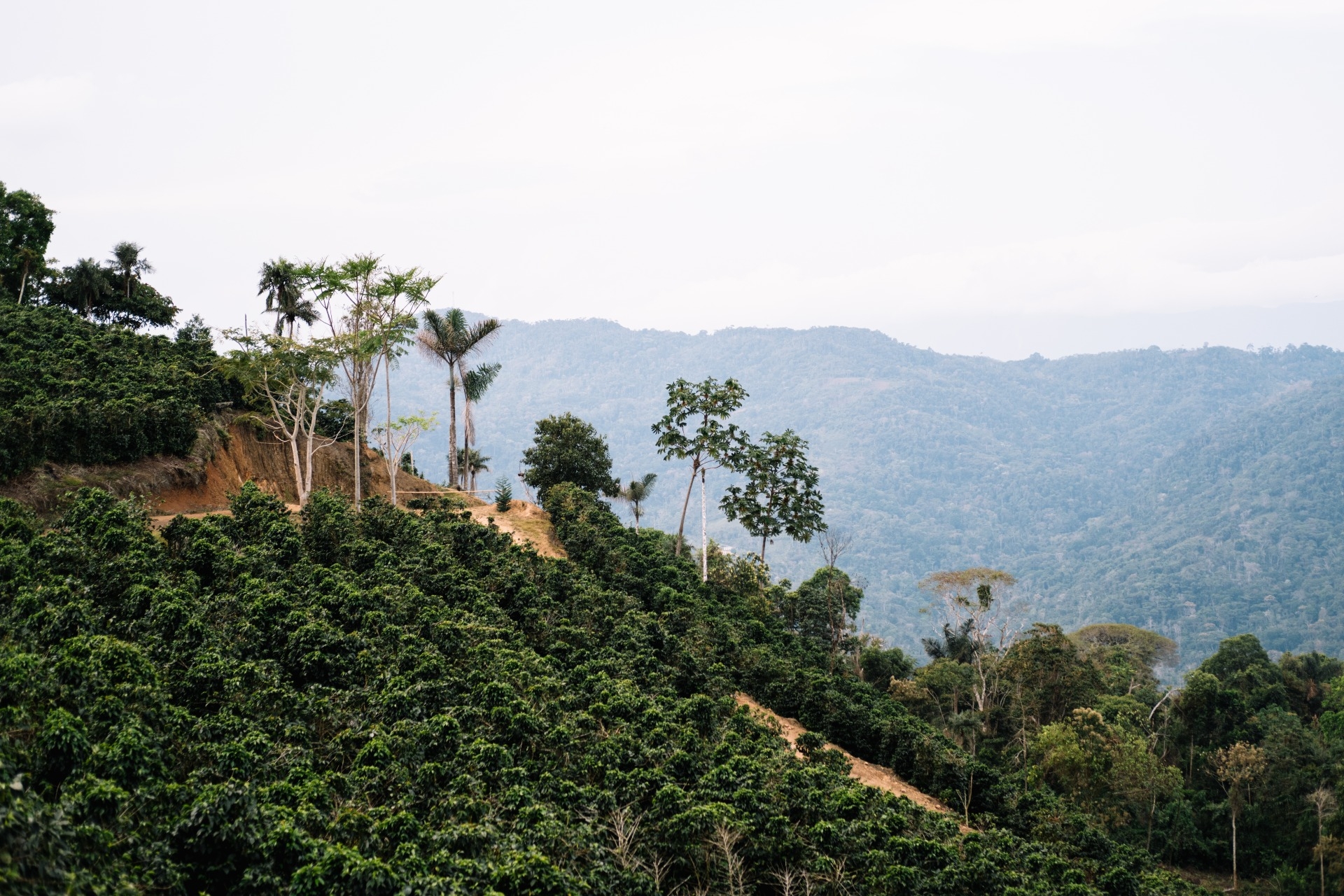
Кофе в Боливии выращивают на восточных склонах Анд, главным образом в регионе Лос Юнгас департамента Ла-Пас. Около 90–95% всего кофе страны производится именно здесь. Центром отрасли считается провинция Каранави.
Высоты варьируются от 1500 до 2500 м над уровнем моря. При этом фермы расположены на крутых склонах с ограниченным доступом к солнечному свету. Боливия находится южнее экватора, чем Колумбия, и угол падения солнечных лучей здесь меньше. В сочетании с выраженными суточными перепадами температур это замедляет созревание ягод.
 Важно понимать: 2000 м в Боливии — это более экстремальные условия, чем 2000 м в странах, расположенных ближе к экватору
Урожай собирают один раз в год — с июня по октябрь. Это позволяет Боливии выходить на рынок в период, когда кофе из части других латиноамериканских стран уже распродан, однако его объемы остаются ограниченными.
Структура производства
Около 85–95% кофе в Боливии выращивают мелкие фермеры на участках площадью от 1 до 8 га. Крупные хозяйства встречаются редко.
Структура землевладения во многом сформирована аграрной реформой 1952–1953 годов. Территории были перераспределены между местными жителями, и принцип «земля принадлежит тем, кто ее обрабатывает» до сих пор влияет на рынок. Продажа земли часто требует одобрения местных сообществ. Это существенно усложняет масштабирование хозяйств и привлечение внешних инвестиций.
Низкая плотность населения и удаленность ферм от крупных городов создают дополнительную проблему — дефицит рабочей силы. В пиковый сезон сборщиков не хватает, что ограничивает объемы даже при наличии спроса.
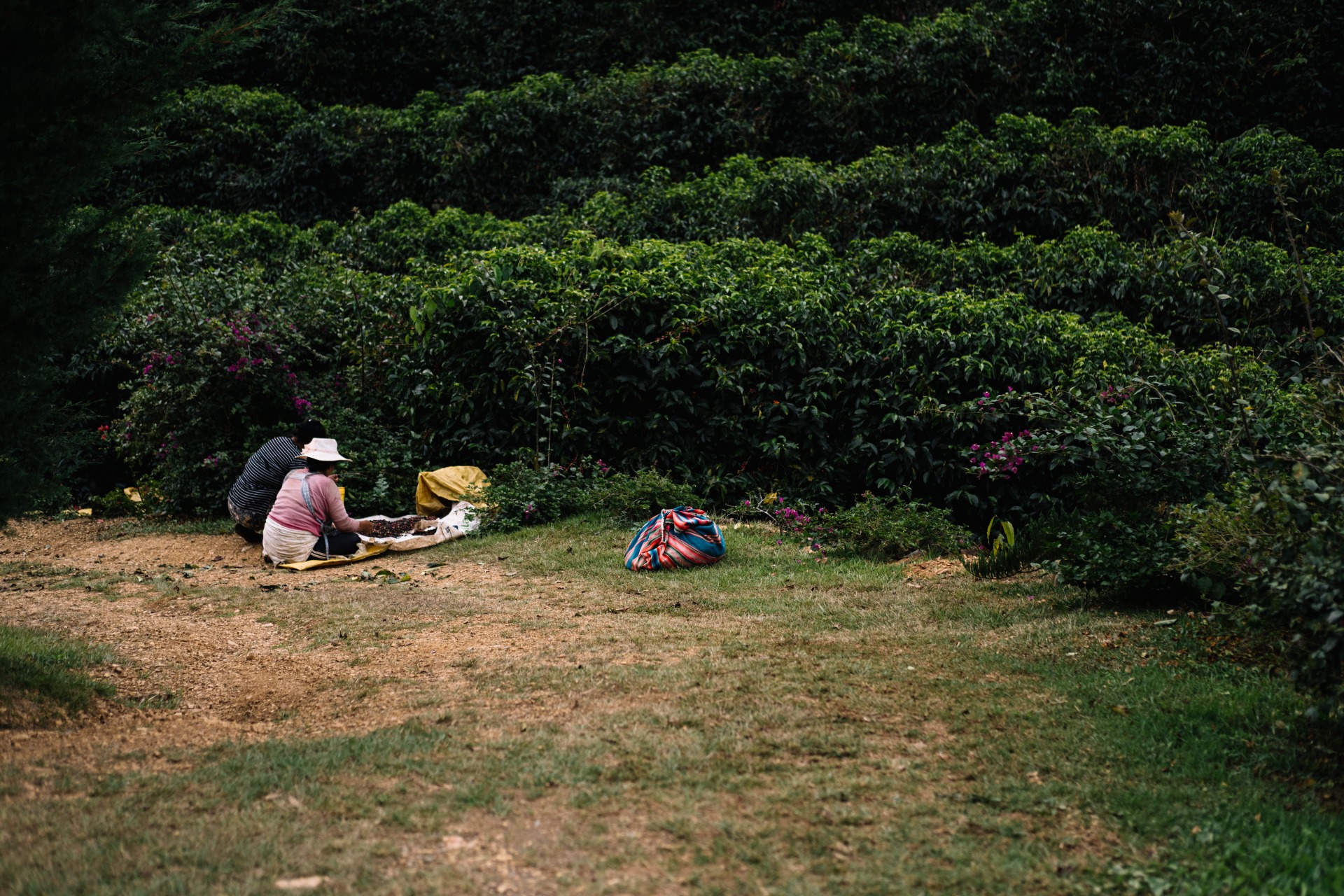 В отличие от Бразилии или Колумбии Боливия не прошла этап индустриализации кофейного сектора
Производительность хозяйств остается невысокой. Высоты, ограниченные ресурсы и слабая агрономическая поддержка сдерживают рост урожайности. Часть ферм работает по органической модели, однако в отличие от Перу это не системообразующий фактор, а скорее следствие ограниченного доступа к агрохимии.
Генетика и разновидности
Основные разновидности в Боливии — типика, катурра и катуаи. Типика занимает значительную долю посадок и исторически является одной из ключевых разновидностей страны.
После вспышек кофейной ржавчины часть фермеров перешла на более устойчивые гибриды. Однако такой выбор часто сопровождался снижением вкусового потенциала, что в условиях малых объемов оказалось для производителей стратегически невыгодным.
В последние годы фермеры, ориентированные на спешелти сегмент, возвращаются к традиционным разновидностям или экспериментируют с новыми селекциями, например явой или гейшей.
Обработка
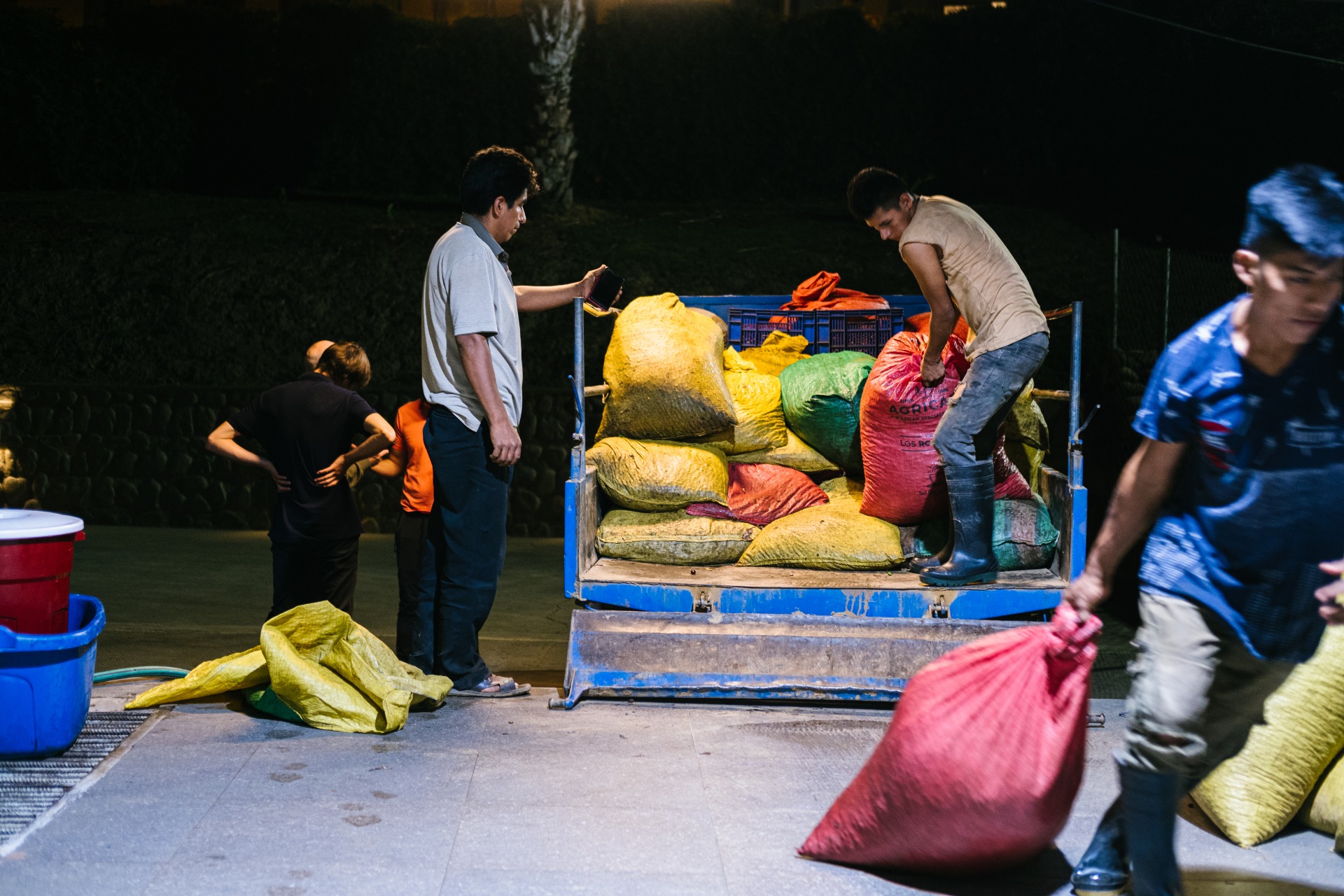
Большая часть боливийского кофе обрабатывается мытым способом. Сложный рельеф и ограниченные площади усложняют инфраструктуру, поэтому первичная обработка нередко проходит на фермах.
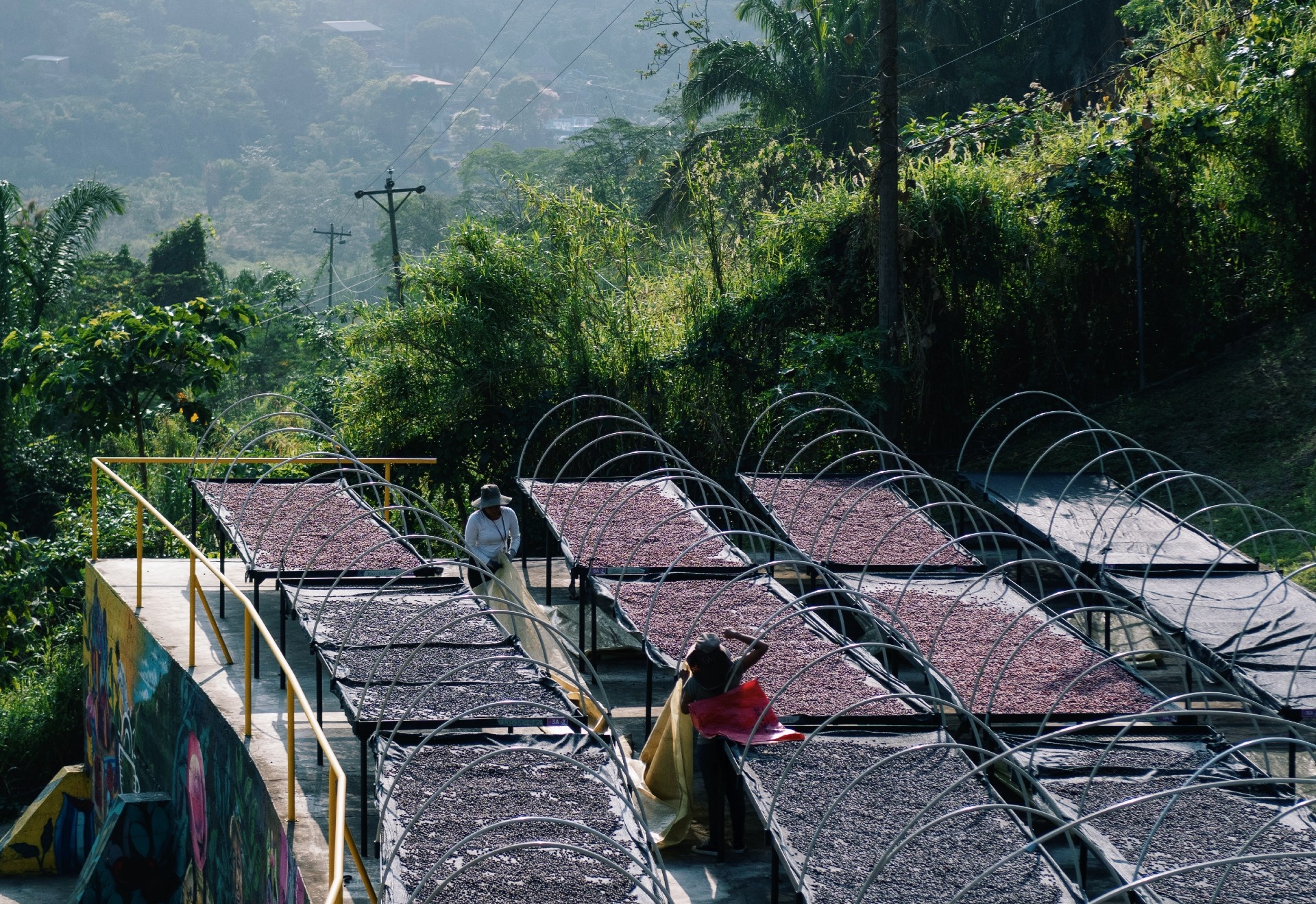 Натуральная и фанки обработки развиваются в спешелти сегменте, однако остаются небольшой частью общего производства
Высоты и прохладный климат создают условия для относительно стабильной сушки, но нестабильность осадков и сложная логистика повышают риск дефектов. В отличие от стран с развитой сетью станций обработки, контроль качества в Боливии в основном зависит от конкретного хозяйства или экспортера.
Экономика и экспорт
Боливия не имеет выхода к морю. Для экспорта кофе необходимо пересекать границу с Чили или Перу и доставлять контейнеры в порт по горным дорогам. Логистика занимает несколько дней и существенно увеличивает издержки.
Производить кофе в Боливии дорого. Экстремальные высоты, сложная логистика и небольшие хозяйства не позволяют быстро увеличивать объемы. Даже если мировые цены растут, страна не может резко нарастить производство. Дополнительным фактором, ограничивающим рост кофейного сектора, является конкуренция с кокой. Она более предсказуема: дает несколько урожаев в год и обеспечивает фермерам регулярный денежный поток.
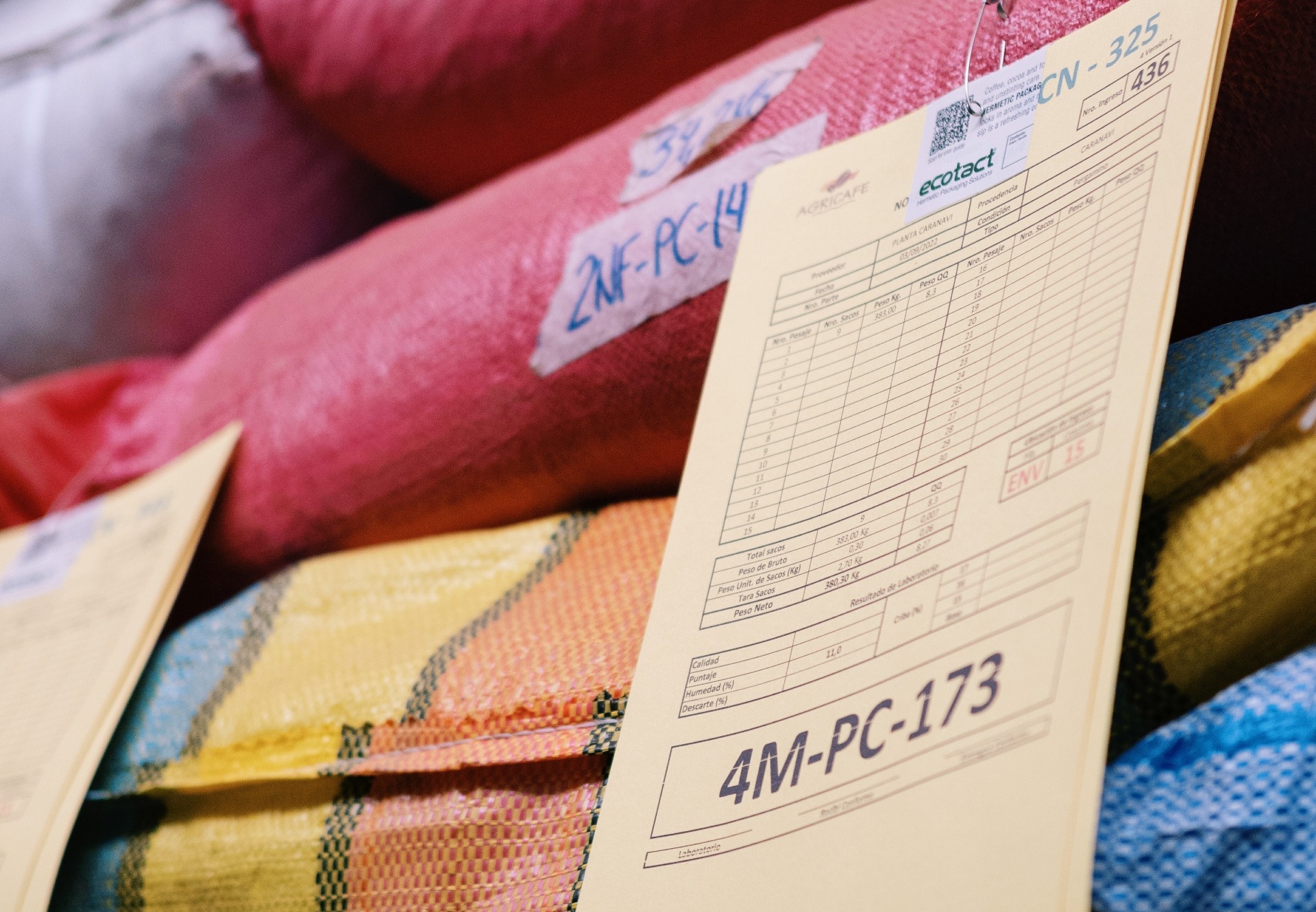
 Сортировка и оценка качества в Боливии осуществляются на уровне экспортеров и драй-миллов по международным стандартам дефектности и размеру зерна
Урожай кофе в стране сильно зависит от погоды и состояния посадок, поэтому экспортные объемы остаются нестабильными. При этом небольшое предложение делает боливийский кофе нишевым продуктом: чаще это микролоты и заранее согласованные поставки, а не крупные контракты.
Итог
Боливия — это страна экстремальных высот и минимальных объемов. Здесь нет индустриального масштаба и устойчивой логистики, но есть потенциал для сложной чашки высокогорного кофе.
Сокращение объемов, конкуренция с кокой, слабая инфраструктура и ограниченные инвестиции делают кофейную отрасль в Боливии уязвимой. Однако развитие спешелти сегмента и частные инициативы постепенно меняют структуру рынка.
Небольшие объемы и нестабильность урожая означают, что боливийский кофе редко доступен на рынке в больших партиях. Работа с ним чаще строится через ранние договоренности, ограниченные лоты и долгосрочные отношения.