Как формируются цены на кофе: биржа, дифференциалы и глобальные факторы
Что такое кофейная биржа
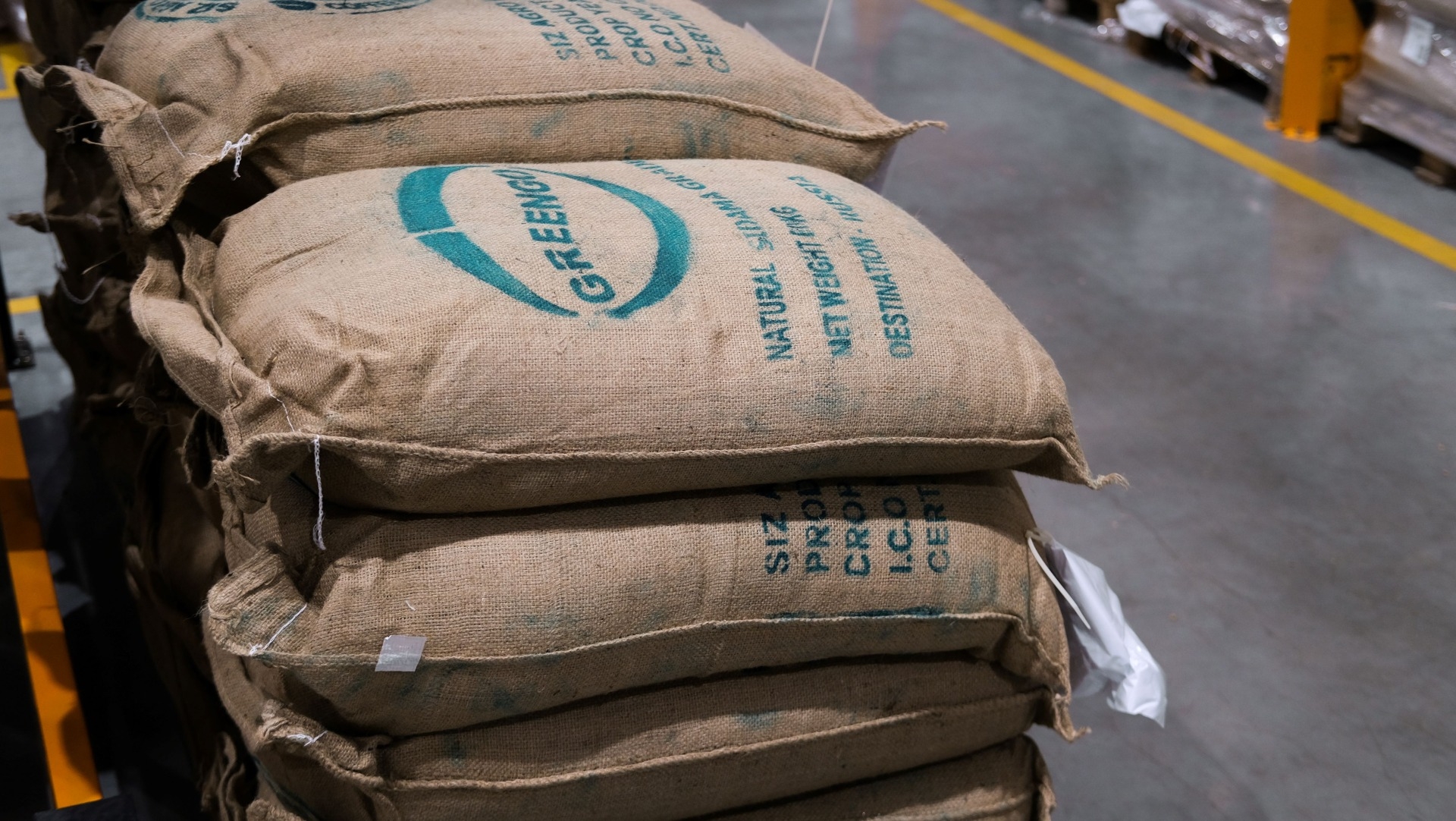
Кофейная биржа — это площадка, где торгуют не самим кофе, а фьючерсами: контрактами на покупку будущего урожая по фиксированной цене. Формат позволяет участникам рынка работать с кофе еще до того, как он собран и обработан. Так производители страхуются от возможного падения цен, импортеры и трейдеры фиксируют условия сделки заранее, а обжарщики защищаются от резкого подорожания сырья.
Основной фьючерс на арабику — Coffee C Futures — торгуется на бирже ICE Futures U.S. в Нью-Йорке. Он представляет собой стандартизированный контракт на 37 500 фунтов зеленого кофе — это примерно 17 тонн или 250–280 мешков в зависимости от страны происхождения. Стандартизация объема и параметров качества делает Coffee C удобной «точкой отсчета» для большинства участников рынка арабики. По правилам ICE, поставка по контракту допускается только из стран, включенных в утвержденный перечень. Сейчас в нем 19 стран.
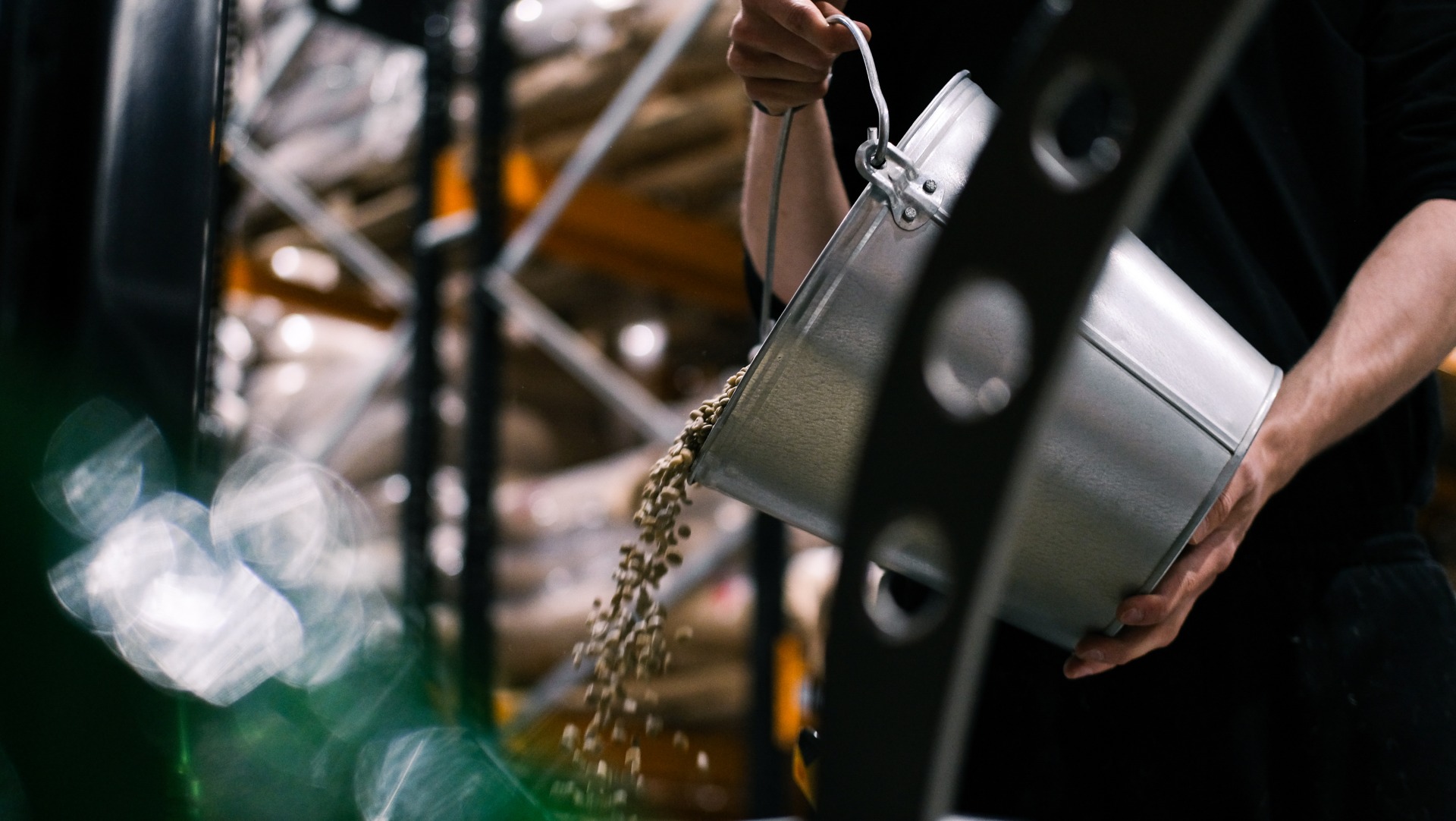 Для робусты похожую роль играет лондонская биржа LIFFE (London International Financial Futures and Options Exchange)
Биржа задает единые требования к качеству, сортировке и упаковке. Благодаря этому Coffee C становится базовым ориентиром для цен на массовую арабику в странах, которые производят большие объемы коммерческого кофе.
Стоимость фьючерсов меняется ежедневно и нередко очень резко. По данным ICE и Международной организации по кофе (ICO), рынок арабики относится к числу наиболее волатильных: колебания в пределах 3–5% в день считаются обычным явлением. Такая динамика делает Coffee C одновременно и полезным ориентиром, и источником неопределенности: даже небольшие новости, касающиеся урожая или макроэкономики страны происхождения, способны заметно изменить котировки.
Где биржа определяет цену, а где — нет
В странах, которые производят большие объемы коммерческого кофе, например в Бразилии, Вьетнаме и Колумбии, ориентиром служат биржевые цены. Для арабики это котировки ICE, для робусты, такой как вьетнамская, — рынка LIFFE в Лондоне. Стоимость зерна в этих странах обычно следует за движением биржи: если фьючерсы растут, дорожают и будущие поставки. Такая привязка дает участникам рынка понятные ориентиры и делает сделки более предсказуемыми.
Но не весь мировой кофе зависит от биржи напрямую. Например, в Эфиопии цену определяют внутренние аукционы и сезонный спрос, а в Кении на нее значительно влияют качество и редкость конкретной партии. Эти модели могут учитывать динамику ICE, но реагируют на нее слабее и с заметной задержкой.
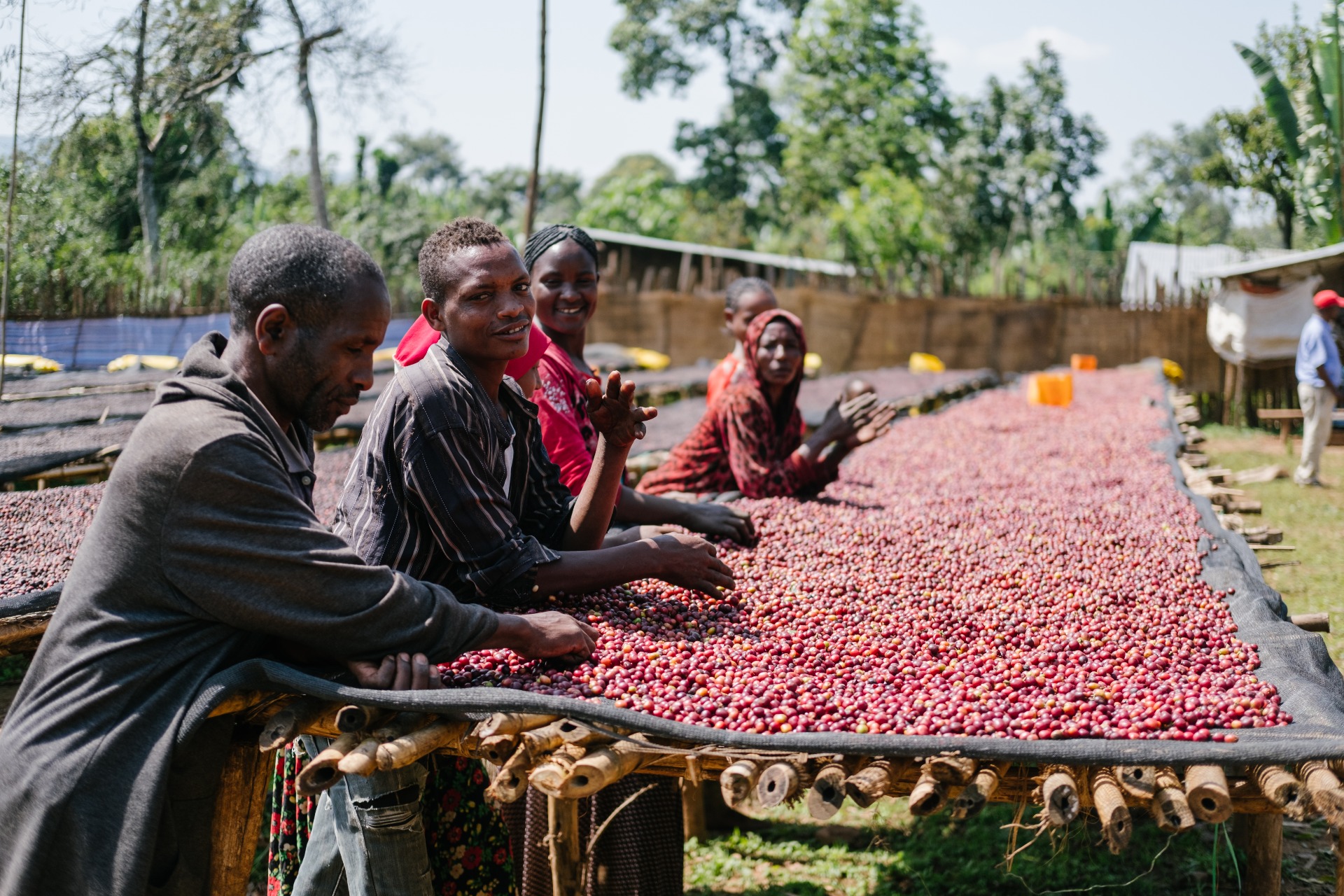 В Эфиопии важную роль играет местная кофейная биржа ECX. Цена на ней определяется балансом спроса и предложения в текущем сезоне и не связана с ICE напрямую
Цены на микролоты тоже формируются иначе. Их стоимость зависит прежде всего от оценки, спроса и расходов фермера, а не от биржевого уровня ICE. Поэтому цены на такие партии редко повторяют колебания рынка коммерческой арабики.
Что такое дифференциал и почему он так важен
Биржевая цена дает основу для расчета, но итоговая стоимость зеленого кофе формируется не только на ее основе. Важную роль играет дифференциал — надбавка или скидка, которая зависит от страны и условий производства.
На дифференциал влияют условия выращивания, способ обработки, расходы фермы, логистика и административные издержки. Важна и общая надежность рынка в конкретной стране: чем он прозрачнее и стабильнее, тем выше обычно дифференциал.
Колумбия традиционно торгует с положительным дифференциалом благодаря стабильному качеству и контролируемой системе экспорта. В Перу ситуация обратная. Дифференциал нередко уходит в минус, потому что покупатели закладывают риски, связанные с вариативностью качества и сложностью контроля происхождения культуры.
Почему рынок кофе нестабилен
Высокая волатильность на рынке кофе связана с совокупностью краткосрочных и долгосрочных факторов. Погода в странах, которые дают основной объем урожая, напрямую влияет на предложение. Например, в 2021 году сильные заморозки в Бразилии снизили ожидания по урожаю и вызвали длительный рост цен. Похожим образом на рынок действует ухудшение погоды во Вьетнаме, которое определяет предложение робусты и косвенно влияет на стоимость арабики.
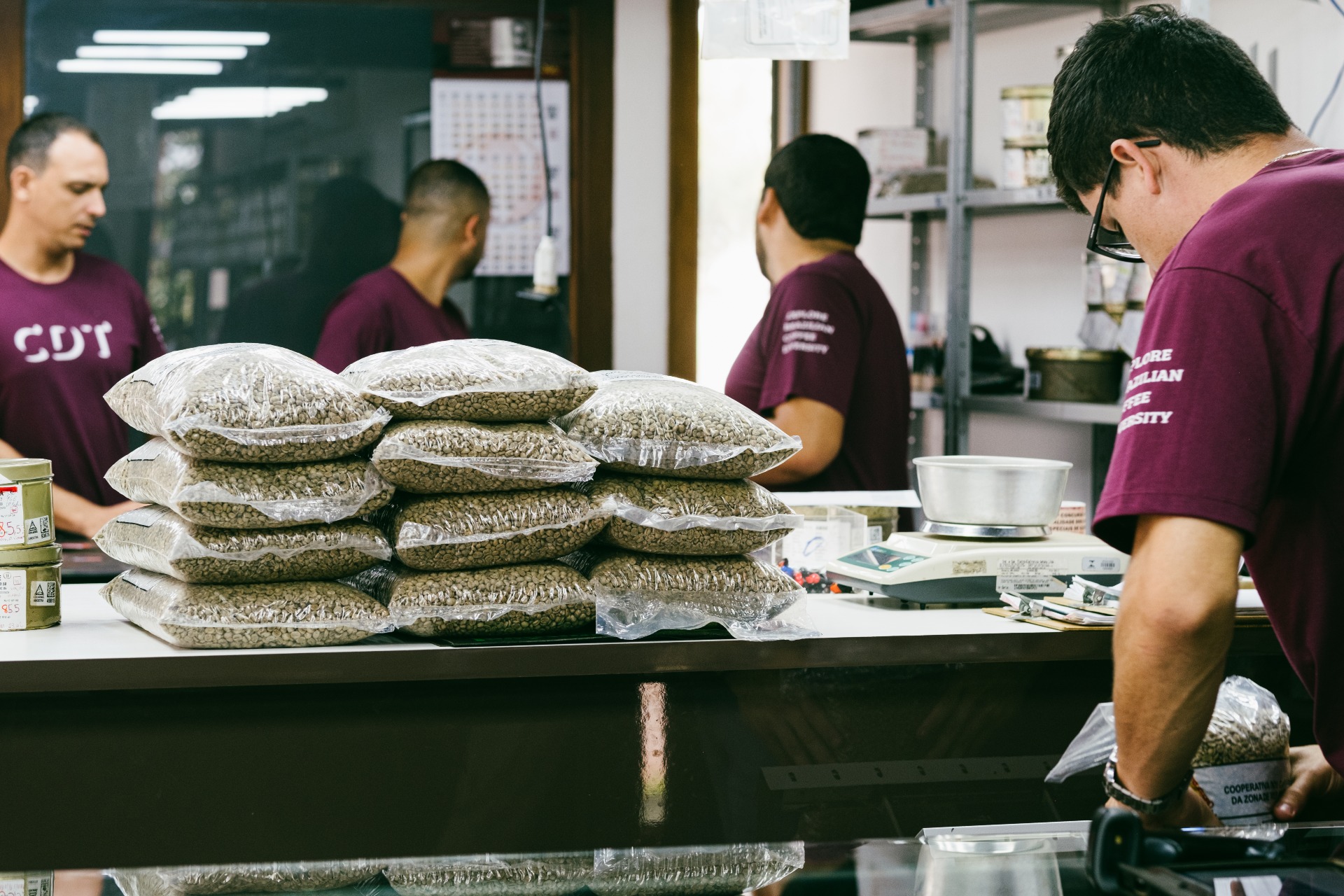 Засухи, заморозки и аномальная жара в Бразилии уменьшают мировой объем арабики и ведут к росту котировок на ICE
Краткосрочные колебания усиливают низкие мировые запасы. В 2023–2024 годах их уровень несколько раз опускался до минимальных значений за десятилетие, и любые новости о политике, экономике или курсах валют вызывали быстрые движения рынка.
Долгосрочная динамика связана с изменением климата, регуляторными решениями и экономикой производства. Потепление и смещение режима осадков сокращают площади, пригодные для арабики, и повышают риск неурожая. Экологические требования Евросоюза усложняют доступ части мелких фермеров к европейскому рынку и ограничивают предложение. Себестоимость растет из-за удорожания удобрений, труда, транспорта и оборудования, и часть хозяйств переходит на другие культуры. При этом мировое потребление кофе увеличивается. В результате средний уровень цен остается выше, чем в предыдущие годы, а любые дополнительные события быстрее приводят к заметным колебаниям.
Как это отражается на российском рынке
Для российских закупщиков к мировой волатильности добавляются местные особенности рынка кофе. Стоимость импорта зависит не только от ICE, но и от курса доллара и логистических расходов. Укрепление рубля может временно сгладить рост мировых цен, а ослабление — усилить его. На итоговую стоимость влияют повышение ставок морского фрахта, рост страховки и изменение маршрутов поставок. Поэтому динамика закупочных цен в России иногда отличается от мировой.
Резюме
Цена зеленого кофе формируется из двух частей: биржевого уровня и дифференциала. В странах массового производства ориентир задают биржевые котировки: для Бразилии и Колумбии это ICE, для Вьетнама — LIFFE. В Эфиопии и Кении стоимость определяется внутренними аукционами, качеством сырья и локальными условиями рынка.
Дифференциал дополняет биржевую стоимость. Это надбавка или скидка, которая отражает качество зерна, способ обработки, риски сделки и устойчивость работы в конкретной стране. Страны с развитой системой контроля качества получают положительный дифференциал. Рынки, где высоки риски для покупателя, чаще торгуются со скидкой.
На рынок кофе влияют и глобальные процессы. Изменения климата снижают предсказуемость урожая, а экологические требования ЕС ограничивают доступ части мелких фермеров к рынку. Себестоимость производства растет, а предложение сокращается. При этом мировое потребление увеличивается.
В результате рынок остается чувствительным к любым изменениям. Краткосрочные новости вызывают колебания, а долгосрочные факторы удерживают стоимость на повышенных уровнях. Даже при снижении биржевых котировок цены на готовый продукт падают медленно: контракты заключают заранее, а логистика и расходы на производство продолжают расти.